



What visual cues signal perfect doneness for photo-ready results?

In the culinary world, while taste and aroma are paramount, the visual appeal of a dish often dictates its first impression. For home cooks and professional chefs alike, achieving that “photo-ready” finish means understanding the subtle visual cues that signal perfect doneness. It’s more than just cooking; it’s about presenting a masterpiece.
Meats: The Golden Standard
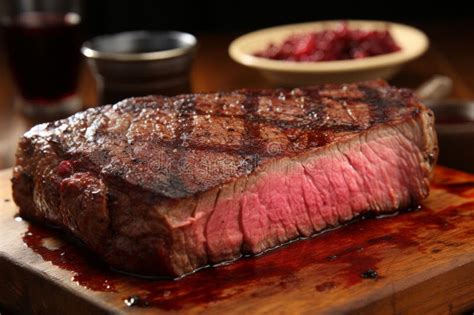
When cooking meats, visual cues are critical for achieving the desired internal temperature and texture. For steaks, a perfectly seared crust, rich brown and caramelized (the Maillard reaction at its best), signals robust flavor. The firmness to the touch can indicate doneness, from rare (soft) to well-done (firm). Chicken, on the other hand, should always be cooked until the juices run clear, with no pink remaining in the thickest part, and the skin a beautiful, crispy golden-brown.
Fish, being more delicate, often reveals its doneness by flakiness. A perfectly cooked fillet will flake easily with a fork, transitioning from translucent to opaque. Overcooked fish, conversely, can look dry and stringy. Shrimp turn from a grayish translucent to a vibrant pinkish-orange and curl into a ‘C’ shape; an ‘O’ shape indicates overcooking.
Baked Goods: Rise and Shine
Baking is a science where visual cues are key indicators of success. For cakes, a golden-brown top and edges pulling slightly away from the pan are good signs, often coupled with the “spring back” test. Cookies achieve perfect doneness when their edges are lightly golden, while the centers remain slightly soft, firming up as they cool. Bread boasts a deep, golden-brown crust and a hollow sound when tapped on the bottom.

Muffins and quick breads are ready when a toothpick inserted into the center comes out clean. The rich caramelization on the crust of baked goods doesn’t just look appealing; it adds layers of complex flavor.
Vegetables: Vibrant and Tender-Crisp
For vegetables, the goal is often vibrant color and a tender-crisp texture. Blanching green vegetables like broccoli or asparagus brings out their brightest green hue, signaling they are perfectly cooked without being mushy. Roasting vegetables like carrots or potatoes develops a beautiful caramelization on their exterior, creating a slightly charred, sweet, and nutty flavor profile that is highly photogenic.

Avoid dull, faded colors, which typically indicate overcooking and a loss of nutrients and appealing texture. The slight char marks on grilled bell peppers or corn signal smoky flavor and perfect grill marks for a visually stunning plate.
Sauces and Soups: Gloss and Consistency
The visual cues for sauces and soups often revolve around consistency and gloss. A perfectly reduced sauce will cling to the back of a spoon, appearing glossy and rich. Beurre blanc, for instance, should be emulsified to a smooth, shiny consistency. Soups, especially creamy ones, will thicken slightly upon cooling, but their visual appeal is in their uniform texture and absence of separation.
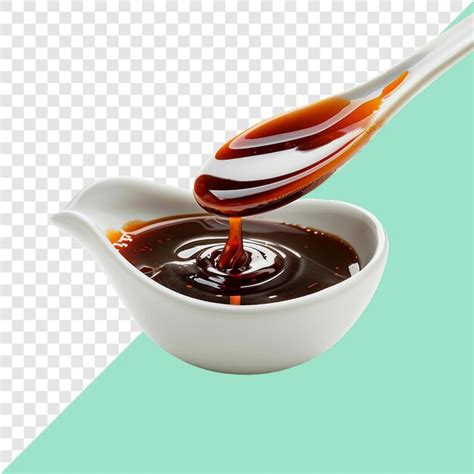
A good stock will have a clear, golden hue, indicating proper skimming and simmering. Cloudy stocks often suggest over-boiling or insufficient skimming. The richness of a sauce is often communicated through its deep color and luxurious sheen.
Pasta and Grains: Al Dente and Fluffy
Achieving “al dente” pasta is a classic visual and textural cue. When broken, al dente pasta will show a tiny white dot in its cross-section, indicating it’s cooked through but still has a slight bite. Visually, it should not look mushy or bloated. For grains like rice or quinoa, perfect doneness means fluffy, separate grains rather than a sticky, clumpy mass.

The distinction between individual grains, often achieved by precise water ratios and resting times, is key for both texture and presentation. A well-cooked risotto, conversely, will have a creamy, flowing consistency while still maintaining a slight bite in each grain of rice.
Conclusion: The Art of Observation
Mastering the visual cues for perfect doneness transforms cooking from a task into an art form. By paying close attention to color changes, browning, firmness, texture, and consistency, you not only ensure delicious results but also create dishes that are inherently beautiful and ready for their close-up. Practice and observation are your best tools in developing an eye for culinary perfection, turning every meal into a feast for the eyes.