




What recipe techniques ensure ingredients stay vibrant & photogenic?

The Art of Visual Appeal: Why Vibrant Food Matters
In today’s visually-driven world, the appearance of food is almost as important as its taste. Whether you’re a professional chef, a home cook, or a food blogger, creating dishes that are not only delicious but also vibrantly colored and photogenic can significantly elevate the dining experience. Preserving the natural beauty of ingredients requires more than just good cooking; it demands specific techniques and attention to detail. Let’s delve into the culinary secrets that ensure your ingredients retain their stunning hues and appetizing appeal.
Blanching and Shocking for Brilliant Greens
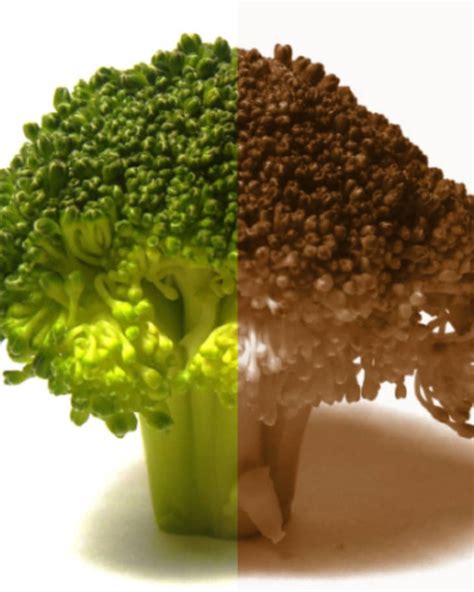
One of the most effective ways to lock in the vibrant green of vegetables like broccoli, asparagus, green beans, and spinach is the blanching and shocking method. This technique involves briefly submerging vegetables in boiling water, then immediately plunging them into an ice bath. The hot water brightens the color by breaking down cell walls, while the ice bath halts the cooking process, preventing overcooking and preserving that vivid green hue.
Mastering Heat: Searing, Roasting, and Quick Stir-Fries
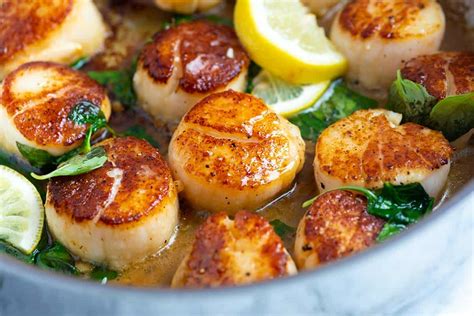
The way you apply heat plays a crucial role in ingredient vibrancy. For many vegetables and proteins, proper searing or roasting can create beautiful caramelization and browning (Maillard reaction) without dulling their internal color. High heat for a short duration is key. Overcooking, on the other hand, often leads to muted colors and a loss of texture. Quick stir-fries are excellent for maintaining the crispness and bright colors of vegetables, as they spend minimal time on the heat.
The Right Temperature for Maximum Impact
Ensure your pan is adequately hot for searing; this creates an instant crust and prevents food from stewing. When roasting, a higher oven temperature can produce beautifully browned exteriors while keeping the interiors tender and bright. Avoid overcrowding the pan, as this lowers the temperature and steams rather than sears the ingredients.
Starting Fresh: The Foundation of Color
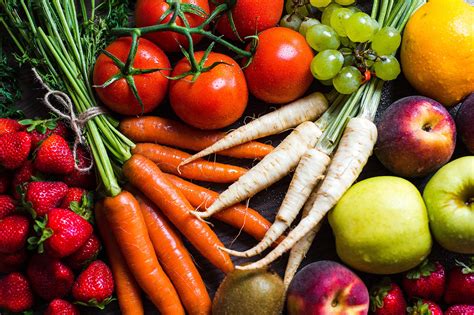
The journey to photogenic food begins with the ingredients themselves. Always opt for the freshest, highest-quality produce available. Bruised, old, or improperly stored ingredients will never achieve the same level of vibrancy, no matter how skilled your cooking techniques. Store your produce correctly to maximize its shelf life and maintain its natural luster until it reaches your plate.
The Acid Advantage: Preventing Oxidation and Boosting Brightness
Acidic ingredients like lemon juice, lime juice, and vinegar are powerful allies in preserving color. A squeeze of lemon over cut avocados, apples, or even a finished sauce can prevent browning (oxidation) and brighten flavors. Marinades with a good acid component can also enhance the color and tenderness of proteins before cooking. Adding a touch of acid towards the end of cooking can also ‘wake up’ dull flavors and colors in a dish.
Precision Cuts and Thoughtful Presentation
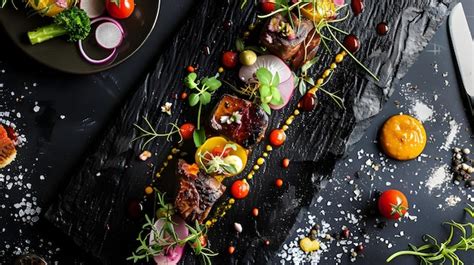
Even the simplest ingredients look more appealing when cut precisely and consistently. Sharp knives ensure clean edges, which reflect light better and prevent unsightly bruising. Furthermore, how you plate your dish significantly impacts its photogenic quality. Consider contrasting colors, textures, and heights to create visual interest. Garnishing with fresh herbs, a sprinkle of zest, or a drizzle of colorful oil can add that final touch of vibrancy.
Timing is Everything: Avoid Overcooking
Overcooking is arguably the biggest culprit behind dull, lifeless food. Vegetables lose their crispness and vibrant colors, while proteins can become dry and gray. Pay close attention to cooking times and aim for an al dente texture in vegetables and pasta, and just-cooked doneness for meats and fish. This ensures not only better taste and texture but also retains the ingredient’s inherent beauty.

Conclusion
Crafting photogenic food is a blend of scientific understanding and artistic expression. By implementing techniques like blanching, mastering heat control, starting with fresh ingredients, utilizing acid, ensuring precise cuts, and paying close attention to cooking times, you can consistently produce dishes that are as visually stunning as they are delicious. Embrace these techniques, and watch your culinary creations truly shine, inviting everyone to take a bite – and a picture!