



What recipe techniques ensure vibrant colors & perfect textures for visual appeal?
The Art and Science of Visually Appealing Food
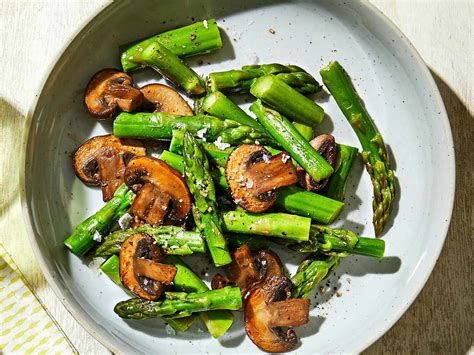
Creating dishes that not only taste incredible but also look stunning is a hallmark of great cooking. Visual appeal is the first impression, inviting diners to experience your culinary creation. Achieving vibrant colors and perfect textures requires a blend of thoughtful ingredient selection, precise cooking methods, and a keen understanding of how different techniques impact the final presentation.
From the garden to the plate, every step offers an opportunity to enhance the aesthetic quality of your food. Let’s delve into the techniques that transform ordinary ingredients into extraordinary visual feasts.
Mastering Color Retention and Enhancement
Blanching and Shocking for Brightness
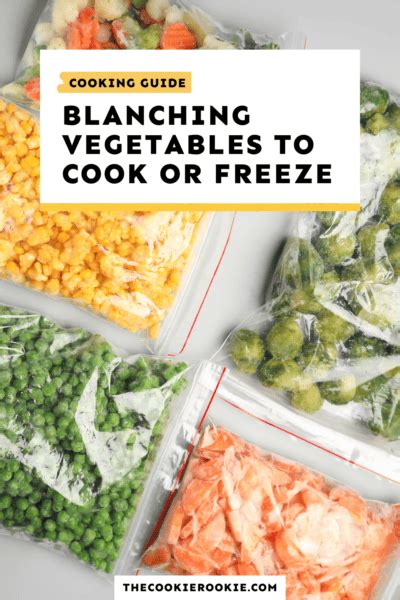
One of the most effective techniques for preserving and intensifying the color of green vegetables is blanching, followed immediately by shocking. Blanching involves briefly submerging vegetables in boiling water, which sets their vibrant green chlorophyll. The subsequent shock in an ice bath halts the cooking process, preventing dullness and retaining crispness. This method is perfect for broccoli, green beans, asparagus, and snap peas.
Understanding Acid and Alkali’s Role
Acids and alkalis can significantly impact food colors. A touch of acid, like lemon juice or vinegar, can brighten red and purple pigments (anthocyanins) found in foods like red cabbage or berries. Conversely, too much acid can dull greens. Be mindful of these interactions when building your flavor profiles.
Quick Cooking Methods and Freshness
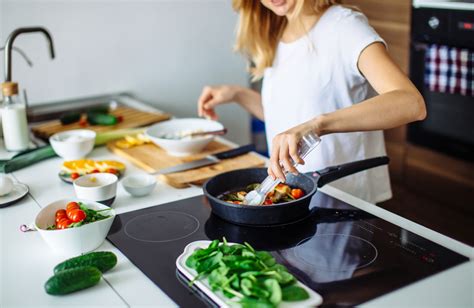
Overcooking is the enemy of vibrant colors. Employ quick cooking methods such as stir-frying, steaming, or sautéing to minimize heat exposure and preserve natural hues. Furthermore, starting with the freshest, highest-quality ingredients is paramount. Fresh produce naturally boasts more intense colors and better structural integrity, which translates to superior visual appeal on the plate.
Achieving Perfect Textures for Sensory Delight
Precision in Cooking Times and Temperatures
Texture is as crucial as color. Overcooked vegetables become mushy, while undercooked meats can be tough. Precision is key. Use a timer and, for meats, a meat thermometer to ensure ingredients reach their ideal doneness. Knowing the specific cooking temperatures and times for different ingredients will guarantee tender-crisp vegetables, flaky fish, and juicy meats every time.
Techniques for Desired Crispness and Tenderness
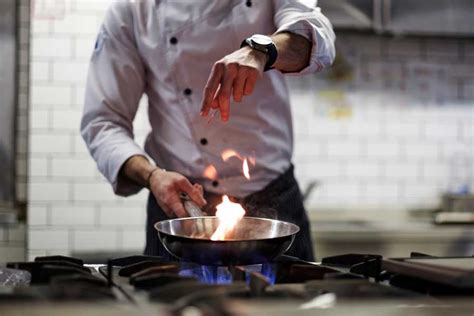
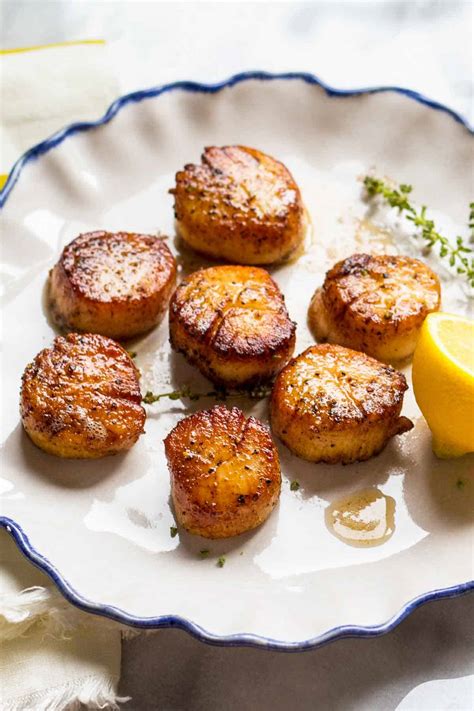
Searing: For meats and certain vegetables, searing creates a beautiful browned crust (Maillard reaction) while keeping the interior tender and moist. A hot pan and minimal movement are essential for a good sear.
Roasting: Roasting vegetables at high temperatures caramelizes their natural sugars, enhancing both flavor and texture, often creating tender interiors with slightly crispy exteriors.
Steaming: Ideal for delicate vegetables and fish, steaming cooks gently, preserving nutrients, color, and a tender, moist texture without added fats.
Strategic Ingredient Selection & Combination
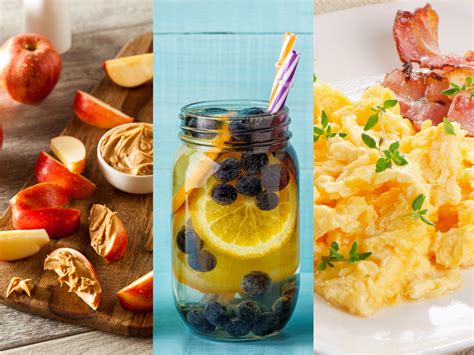
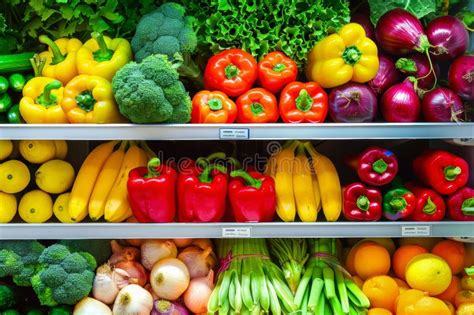
The visual impact of a dish often stems from the deliberate combination of ingredients. Think about how different colors and textures will interact on the plate. A vibrant red tomato against a crisp green basil leaf, or the rich brown of roasted meat contrasted with a bright, herbaceous chimichurri, creates instant appeal.
Select ingredients not just for their taste but also for their natural ability to contribute to the visual symphony. High-quality produce with distinct colors and shapes can elevate a simple dish.
Finishing Touches: Garnishing and Plating
The Power of Fresh Garnishes
Never underestimate the power of a fresh garnish. A sprinkle of chopped herbs, a zest of citrus, or a few edible flowers can add a burst of color and freshness, elevating the dish from good to gourmet. Garnishes should always complement the flavors of the dish and be thoughtfully placed.
Thoughtful Plating Techniques
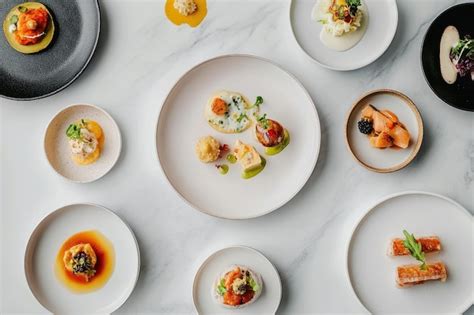
Plating is your final artistic statement. Consider:
- Balance: Distribute components evenly, creating a harmonious look.
- Height: Add dimension with stacked ingredients or artfully arranged elements.
- Negative Space: Don’t overcrowd the plate; allow some white space to make the colors pop.
- Sauce Application: Drizzle or dollop sauces strategically, rather than drowning the food.
Conclusion
Ensuring vibrant colors and perfect textures in your recipes is a skill honed through practice and attention to detail. By employing techniques like blanching, precise cooking, thoughtful ingredient selection, and artful plating, you can consistently create dishes that are as captivating to the eye as they are delicious to the palate. Embrace these methods, and transform every meal into a feast for the senses.