

How do real foodies capture stunning, authentic food photos in dim restaurants?
The Low-Light Labyrinth: Why Dim Restaurants Pose a Challenge
There’s a special kind of magic in a dimly lit restaurant – the hushed conversations, the glow of candlelight, the anticipation as a beautifully crafted dish arrives. But for the aspiring food photographer, this enchanting ambiance often translates into a nightmare. Low light means grainy photos, muddy colors, and a struggle to capture the intricate details that make a dish truly spectacular. Many resort to the dreaded phone flash, ruining not just their photo but also the mood for everyone around them.
Real foodies, however, see this as a creative challenge, not a roadblock. They understand that authenticity is key, and the goal isn’t just to get a picture, but to tell the story of the dish, the setting, and the culinary experience itself. So, how do they consistently produce stunning, mouth-watering shots that look professionally lit, even in the darkest corners?

Mastering the Art of Available Light: Your Best Friend
The first rule of low-light food photography is to work with what you’ve got. Harsh, direct light from a flash often flattens a dish, creating unnatural shadows and reflections. Instead, savvy foodies scout for and utilize existing light sources. This might be a soft glow from a nearby window (even after dark, ambient street light can filter in), the subtle illumination from an overhead pendant light, or even the warm flicker of a candle (used carefully to avoid blown-out highlights).
Positioning is crucial. Rotate your plate until the light hits it in the most flattering way. Often, side lighting or backlighting can create beautiful depth and texture, making sauces glisten and garnishes pop. Use menus, napkins, or even a friend’s phone screen (set to a neutral white) as makeshift reflectors to bounce light onto the darker side of your dish, filling in shadows gently.
Minimal Gear, Maximum Impact: Smart Tools for the Job
While professional photographers might bring elaborate setups, real foodies often travel light. The best camera, after all, is the one you have with you – typically a smartphone. Modern smartphones have incredible low-light capabilities, especially when combined with a few smart techniques.
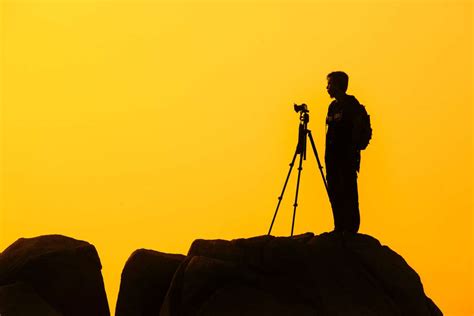
Some foodies carry a small, portable LED light panel with adjustable brightness and color temperature. These can provide a soft, directional light without being obtrusive. A mini diffuser can soften the light even further. For those using dedicated cameras, a fast lens (e.g., f/1.8 or f/2.8) is invaluable as it allows more light to reach the sensor, enabling lower ISOs and sharper images. Regardless of your gear, stability is key in low light, so bracing your arms or using a tiny tabletop tripod can make a big difference.

Composition and Styling: Making the Dish the Star
Even with perfect light, a poorly composed photo won’t impress. In dimly lit settings, simplify your composition. Focus tightly on the star of the dish, using a shallow depth of field (easily achieved with portrait modes on smartphones or fast lenses on cameras) to blur out distracting backgrounds. Look for leading lines, interesting textures, and vibrant colors to draw the viewer’s eye.
Authenticity means capturing the dish as it’s presented, not overly staging it. However, a slight adjustment – moving a stray crumb, ensuring the hero ingredient is visible, or positioning cutlery for a pleasing aesthetic – can elevate the shot. Don’t be afraid to take multiple angles: overhead for geometric patterns, eye-level for dimension, or a tighter crop to highlight a specific detail.

The Post-Processing Polish: Enhancing, Not Faking
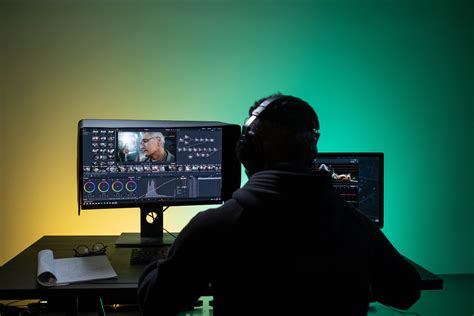
No raw photo is perfect, especially one taken in challenging conditions. The final touch for any stunning food photo is mindful post-processing. Apps like Lightroom Mobile, Snapseed, or even your phone’s built-in editor can work wonders. The key is to enhance the photo without making it look artificial.
Start by adjusting exposure to brighten the image without blowing out highlights. Correcting the white balance is crucial; dim restaurant lighting often casts a yellow or orange hue, so adjust the temperature to make whites truly white and colors more natural. Boost shadows to bring out details and reduce highlights if they’re too strong. A touch of clarity and vibrance can make food pop, but use sparingly to maintain authenticity. Sharpening can also help define details that might be lost in low light.
Practice Makes Perfect: Enjoy the Adventure
Capturing stunning food photos in dim restaurants is a skill that improves with practice. Don’t be discouraged by initial attempts. Experiment with different angles, light sources, and editing techniques. Remember, the goal is to capture the essence of the dining experience – the deliciousness, the artistry, and the ambiance. By adopting these strategies, you’ll soon be delighting your followers with authentic, mouth-watering images that truly do justice to the culinary masterpieces before you, all without disturbing the magic of the moment.