




How do real foodies keep salad greens crisp for vibrant, beautiful plating?

For the discerning palate, a salad isn’t just a side dish; it’s a centerpiece, a vibrant canvas of flavors and textures. But what truly sets a foodie’s salad apart isn’t just the gourmet ingredients or the artisanal dressing—it’s the undeniable crunch and freshness of perfectly crisp greens. Wilty, sad leaves can derail even the most exquisite creation. So, how do culinary enthusiasts consistently achieve that coveted vibrant snap, ensuring their salads are as beautiful to behold as they are delicious to eat?
The Foundation: Proper Washing Beyond the Rinse
The journey to crisp greens begins even before storage, with the crucial step of washing. Simply rinsing under the tap isn’t enough. Real foodies understand that greens need a proper bath to remove dirt, grit, and any lingering pesticides. Fill a large bowl or a clean sink with cold water and submerge your greens. Swish them gently to dislodge debris, allowing it to settle at the bottom. Lift the greens out, leaving the dirty water behind, and repeat this process until the water remains perfectly clear. For delicate varieties, a gentle rinse under cool, running water followed by a short soak might be preferred.

The Unsung Hero: Thorough Drying
Perhaps the single most critical step in maintaining crispness is drying your greens thoroughly. Excess moisture is the enemy of crispness, leading to soggy textures and quicker spoilage. A salad spinner is an indispensable tool in any foodie’s kitchen. Load your washed greens into the spinner basket, give it a good whirl, and then spin again. For extra insurance, especially with delicate herbs or greens, gently lay them out on a clean kitchen towel or paper towels and blot them dry. Some even go so far as to wrap them loosely in a dry towel and give them a gentle swing for an air-drying effect. The goal is bone-dry leaves without bruising them.
Strategic Storage: The Art of Moisture Control and Airflow
The Paper Towel Method: A Classic for a Reason
Once dried, the way you store your greens makes all the difference. One of the most common and effective methods involves paper towels. Line a large airtight container or a reusable produce bag with a few layers of dry paper towels. Place your thoroughly dried greens on top, then cover them with another layer of paper towels before sealing the container. The paper towels absorb any residual moisture, preventing wilting and extending freshness. Change the paper towels every day or two if they become damp.
The Breathable Bag Technique: For Specific Varieties
Some greens, particularly those with a higher moisture content or delicate structure, benefit from a slightly different approach. Special breathable produce bags designed to regulate humidity can be excellent. Alternatively, a plastic bag that isn’t fully sealed, allowing for a tiny bit of airflow while still retaining some moisture, can work. The key is balance: too much moisture breeds rot, too little causes dehydration.
The Ice Bath Revival: A Last-Minute Miracle
Even with the best intentions, greens can sometimes lose their pep. If you find your salad leaves looking a bit limp, don’t despair! A quick ice bath can often bring them back to life. Submerge the wilted greens in a bowl of ice water for 10-15 minutes. The cold water will rehydrate the cells, restoring their turgor and crispness. After the bath, be sure to dry them thoroughly again using a salad spinner or paper towels before serving.
Timing is Everything: Prep for Perfection
While proper storage can keep greens fresh for days, real foodies understand that ultimate crispness is achieved when greens are prepped as close to serving time as possible. Wash, dry, and chill your greens in advance, but hold off on tearing or chopping them until just before assembling your salad. Tearing causes cell damage, which can accelerate wilting. Dressing should always be added at the last minute, just before serving, to prevent the acid and oil from breaking down the cell walls and making the greens soggy.
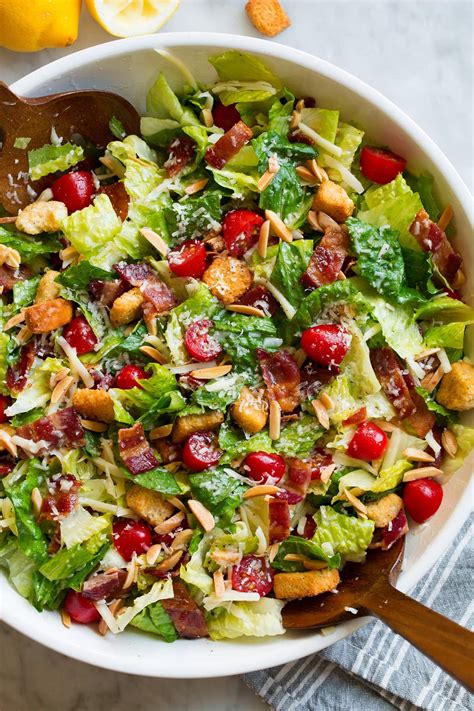
Beyond the Basics: Foodie-Level Considerations
For the truly dedicated, a few extra tips elevate the game. Consider investing in a dedicated produce storage container with a crisper insert that provides both airflow and moisture control. When buying greens, opt for whole heads of lettuce over pre-bagged, pre-cut varieties, as they tend to last longer. Also, be mindful of where you store your greens in the refrigerator; avoid placing them near fruits that emit ethylene gas (like apples or bananas), which can accelerate ripening and spoilage.

Conclusion: The Art of Crispness, A Culinary Staple
Maintaining perfectly crisp salad greens is more than just a kitchen chore; it’s a testament to a foodie’s dedication to quality and presentation. By mastering the trifecta of meticulous washing, thorough drying, and strategic storage, combined with smart timing and a few pro tips, you can ensure every salad you plate is a vibrant, beautiful, and utterly irresistible culinary statement. Say goodbye to soggy salads and hello to the satisfying crunch that elevates any meal from good to extraordinary.