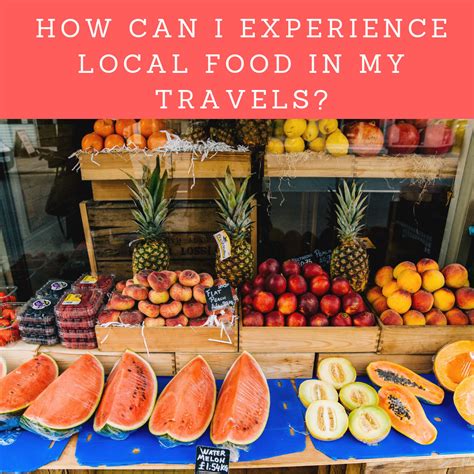





How do real foodies visually scout authentic local eateries on global adventures?

The Unspoken Language of Authenticity
For the true foodie, global travel isn’t just about ticking off landmarks; it’s a culinary quest, an immersion into the gastronomic heart of a culture. But how does one bypass the glossy tourist traps and stumble upon those hidden gems where locals truly dine? It’s often a subtle art of visual reconnaissance, a Sherlock Holmes-esque deduction based on a mosaic of unspoken clues.
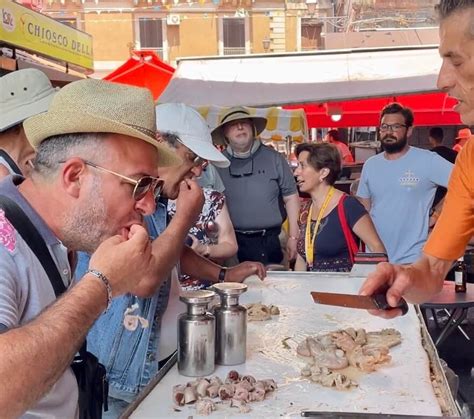
Observe the Crowd: The Ultimate Litmus Test
The most immediate and telling visual cue is the clientele. Scan the tables: are they filled with animated conversations in the local tongue? Do the patrons look like they’re on their lunch break, having a family dinner, or simply regulars catching up? A bustling establishment packed with locals, especially during off-peak tourist hours, is often a goldmine. If you see more selfie sticks than chopsticks, or hear more English than the local dialect, it might be time to keep walking.
Exterior Clues: Shun the Shiny and Seek the Subtle
Authenticity rarely screams for attention. Be wary of overly polished facades, flashy neon signs in English, or menus plastered with laminated photos of generic-looking dishes. Instead, look for humble, perhaps even slightly worn, exteriors. Hand-written signs, a simple, understated entrance, or even a queue forming outside (especially if it’s not a famous spot from a travel guide) are often indicators of a beloved local haunt. A modest appearance often signals a focus on the food itself, rather than superficial aesthetics.

Interior Vibes: Clutter, Character, and Open Kitchens
Step inside and let your eyes absorb the atmosphere. Is the decor practical, well-loved, and perhaps a little mismatched? Are there local newspapers strewn about, or personal touches that reflect the owner’s personality rather than a corporate design? An open kitchen, where you can see and smell the chefs at work, is usually a good sign of transparency and fresh preparation. Look for simple, sturdy tables and chairs, and a general air of comfortable, everyday use rather than pristine perfection.

Menu Insights: Brevity and Local Language Dominance
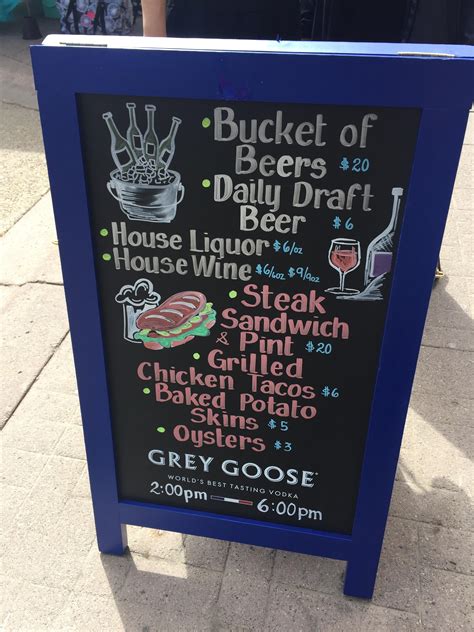
A truly authentic eatery often boasts a concise menu, focusing on a few dishes executed exceptionally well. A sprawling, multilingual menu with dozens of options can be a red flag. Prioritize menus written primarily in the local language, perhaps with minimal or no English translation. If translations are present, check if they seem like an afterthought rather than a primary feature. Seasonal specials or daily changing offerings (chalkboard menus are a great sign!) also suggest fresh ingredients and a connection to local availability.
The Food Itself: Unpretentious Presentation
When the food arrives, how does it look? Authentic local dishes often prioritize flavor and tradition over elaborate, fine-dining presentations. Expect hearty portions, ingredients that speak for themselves, and a plating style that feels natural and unpretentious. The aroma itself, the sizzle from the kitchen, and the contented expressions on the faces of fellow diners are often the final visual confirmations you need.

Trust Your Gut (and Your Eyes)
Ultimately, scouting authentic eateries is an intuitive process honed by experience. It’s about combining these visual cues with your gut feeling. Does the place feel right? Does it hum with genuine local life? By paying close attention to the visual narratives unfolding around you, you’ll not only discover incredible food but also unlock a deeper, more authentic connection to the culture you’re exploring.