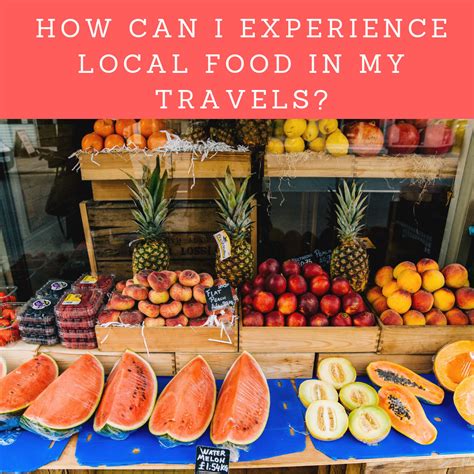





How to capture authentic local food visuals without tourist traps for your feed?
In an age where travel feeds are dominated by picturesque plates and vibrant market scenes, the quest for truly authentic local food visuals has become a cornerstone of many adventurers’ journeys. However, distinguishing genuine culinary gems from cleverly disguised tourist traps can be challenging. This guide will help you navigate the bustling streets and hidden alleys, ensuring your feed tells a story of true local flavors and experiences.

Research Beyond the Guidebooks
To unearth truly authentic local food, you need to dig deeper than the typical travel guides or mainstream review sites. Start by exploring local blogs, community forums, and social media platforms. Look for hashtags used by locals, geo-tagged posts from less commercial areas, and recommendations from residents rather than visitors. Websites like Chowhound (for specific regions), local food blogs, or even Reddit communities for a destination can be invaluable resources.
When asking for recommendations, always seek advice from locals who aren’t directly employed by the tourism industry. Your hotel concierge might have excellent suggestions, but they often lean towards establishments that cater to tourists. Instead, strike up conversations with shopkeepers, taxi drivers, or people you meet in non-touristy settings – they often hold the keys to the city’s best-kept culinary secrets.
Embrace Street Food and Markets
There’s no better place to capture the raw, unadulterated essence of local cuisine than at street food stalls and bustling fresh markets. These vibrant hubs are often where traditional recipes are preserved, ingredients are at their freshest, and the energy of daily life truly pulsates. Focus on the preparation, the interaction between vendors and customers, and the sheer variety of offerings.
When photographing street food, pay attention to the details: the steam rising from a wok, the skillful hands kneading dough, the colorful array of spices. Capture the surrounding atmosphere – the crowds, the makeshift seating, the unique cultural elements that frame the eating experience. These environments provide a wealth of visual opportunities far removed from the sterile setting of a high-end restaurant.
Master the Art of Observation and Patience
Authenticity often reveals itself in subtle ways. Look for eateries with long queues predominantly filled with locals, even if the exterior seems unassuming. These are often indicators of exceptional food and value. Don’t be afraid to venture a few blocks off the main tourist arteries; sometimes the most incredible culinary finds are tucked away on quiet side streets.
Once you’ve found your spot, observe before you shoot. Understand the flow of the place, the way food is served, and how people interact with their meals. Be patient, waiting for the perfect moment – a natural smile, a shared laugh, or a beautifully plated dish before it’s devoured. Being discreet and respectful of local customs will not only yield better photos but also enhance your overall experience.

Focus on the Story, Not Just the Dish
Authentic food visuals go beyond just a perfectly lit plate. They tell a story. Think about the hands that prepared the meal, the generations-old recipe, the family enjoying their lunch, or the unique setting. Capture the entire experience: the vendor’s expression, the communal dining table, the rustic kitchen tools, or the specific ingredients laid out for sale.
Candid shots often convey more emotion and authenticity than staged ones. Use natural lighting whenever possible; it brings out the true colors and textures of the food. Don’t just point and shoot; compose your images to include elements that provide context and narrative, making your audience feel like they are right there with you, savoring the moment.

Post-Processing for Authenticity
While post-processing can enhance your food visuals, the key is to maintain authenticity. Aim to bring out the natural vibrancy and details of the food rather than dramatically altering its appearance. Avoid overly saturated colors or heavy filters that can make the food look artificial. The goal is to make the dish look as appetizing and real as it was when you experienced it, preserving its true essence.
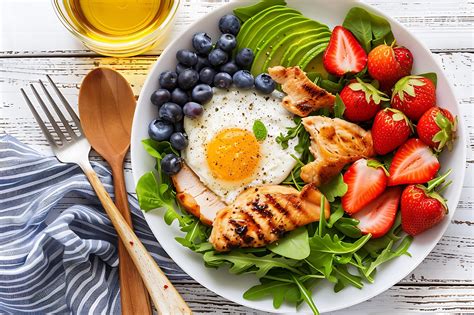
Capturing authentic local food visuals is an art that blends research, observation, respect, and photographic skill. By stepping away from the tourist crowds and embracing the local rhythm, you’ll not only discover incredible culinary delights but also create a feed that truly resonates with the genuine spirit of your adventures. Happy eating, and happy shooting!