




How to keep fresh herbs vibrant longer for zero-waste cooking?

The Lingering Problem of Wilting Herbs
Fresh herbs are indispensable for elevating the flavor profile of any dish, but their notoriously short shelf life often leads to waste. For those committed to zero-waste cooking, seeing vibrant parsley or fragrant basil wilt prematurely can be frustrating. The good news is that with a few simple, strategic storage methods, you can dramatically extend the life of your fresh herbs, ensuring every sprig and leaf is utilized.

Understanding Herb Types for Optimal Storage
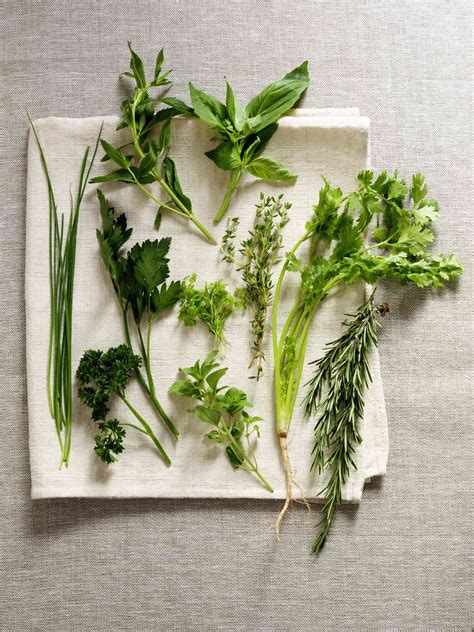
Not all herbs are created equal, and their structural differences dictate the best storage approaches. Generally, herbs can be divided into two categories:
- Tender Herbs: These include basil, cilantro, parsley, mint, tarragon, and dill. They typically have soft stems and delicate leaves.
- Hardy/Woody Herbs: Rosemary, thyme, oregano, and sage fall into this category. They possess tougher, woody stems and often thicker leaves.
Knowing which type of herb you have is the first step towards preserving its vibrancy.
Preparation is Key: Wash and Dry Properly
Regardless of the storage method, proper preparation is crucial. As soon as you bring herbs home, give them a gentle wash under cool running water to remove any dirt or pesticides. The most critical step follows: drying. Excess moisture is the enemy of fresh herbs, promoting mold and decay. Use a salad spinner or gently pat them dry with a clean kitchen towel or paper towels until they are completely free of surface water.
Effective Storage Methods for Tender Herbs
1. The Water Glass Method (Best for Basil, Parsley, Cilantro, Mint, Dill)
Treat tender herbs like a bouquet of flowers. Trim about an inch off the bottom of the stems and remove any leaves that would fall below the waterline. Place the stems in a glass or jar with about an inch of fresh water. For basil, leave it on the countertop away from direct sunlight, as refrigeration can turn its leaves black. For other tender herbs, loosely cover the top with a plastic bag (or even better, a reusable silicone bag) and refrigerate. Change the water every 1-2 days.

2. The Damp Paper Towel Method (Good for Cilantro, Parsley, Dill, Tarragon)
For herbs that don’t do as well in standing water, or if you’re short on fridge space, the damp paper towel method works wonders. Lay your washed and thoroughly dried herbs flat on a slightly damp paper towel. Gently roll them up into a loose cylinder. Place the rolled herbs inside a sealable plastic bag (reusable is ideal) or an airtight container. Store in the crisper drawer of your refrigerator. The slight dampness maintains hydration without promoting rot.
Preserving Hardy Herbs: The Long-Lasting Option
1. The Dry Paper Towel Method (Best for Rosemary, Thyme, Oregano, Sage)
Hardy herbs prefer a drier environment. After washing and thoroughly drying them, wrap them loosely in a dry paper towel. Place this bundle inside a sealable plastic bag or an airtight container. Store them in the refrigerator’s crisper drawer. This method protects them from excessive moisture while allowing them to breathe slightly.

Beyond Fresh: Freezing for Long-Term Storage
When you have an abundance of herbs or know you won’t use them all before they spoil, freezing is an excellent zero-waste solution. Most herbs, both tender and hardy, freeze well.
1. Freezing in Oil or Water (Ice Cube Trays)
Chop your herbs finely and pack them into ice cube trays. Pour olive oil or water over them until the compartments are full. Freeze until solid, then transfer the frozen herb cubes to a freezer-safe bag or container. These cubes are perfect for adding directly to soups, stews, sauces, or roasts.

2. Freezing Whole or Chopped
For some herbs like dill or parsley, you can simply chop them and spread them in a single layer on a baking sheet to freeze for a few hours. Once solid, transfer to a freezer-safe bag. You can also freeze whole sprigs of rosemary or thyme by laying them flat on a tray until frozen, then bagging them.
Drying Herbs for Pantry Staples
Another ancient, zero-waste method is drying. While not as vibrant as fresh or frozen, dried herbs offer a distinct flavor and last for months, even years. Air drying, oven drying on low heat, or using a dehydrator are all viable options, especially for woody herbs.
Zero-Waste Cooking with Extended Herb Life
By implementing these storage techniques, you’ll not only save money but also contribute significantly to reducing food waste. Don’t forget to use herb stems in stocks or broths, and get creative with your cooking to ensure every last leaf finds a purpose. From pestos to infused oils, frittatas to garnishes, your extended herb life opens up a world of flavorful, sustainable possibilities.
Conclusion
Keeping your fresh herbs vibrant longer is an accessible and rewarding step towards a more sustainable kitchen. By understanding the nuances of herb types and employing simple yet effective storage and preservation methods, you can minimize waste, maximize flavor, and enjoy the benefits of fresh ingredients in your zero-waste cooking for much longer.