



Foodie Visual Bites: Best visual cue for *authentic recipe engagement*?
In an age where our feeds are flooded with culinary creations, standing out requires more than just a delicious dish; it demands a compelling visual narrative. For food enthusiasts and creators alike, the quest for authentic recipe engagement is constant. But what exactly is that magic visual cue that transcends mere aesthetics and truly communicates the soul of a recipe, encouraging users to not just admire, but also to cook?
The Digital Feast: Visuals as the First Taste
Long before a single ingredient is measured or a pan is heated, the visual presentation of a recipe serves as its primary invitation. A captivating image can ignite curiosity, evoke hunger, and promise a delightful culinary journey. However, with the prevalence of highly stylized and often overly-produced food photography, discerning what’s “real” from what’s merely “aspirational” has become a challenge for the audience.

Beyond Pretty Plates: What Signals Authenticity?
Authentic recipe engagement isn’t just about a beautiful final shot. It’s about building trust, conveying ease, and inspiring confidence in the viewer that they, too, can recreate the magic. It’s the feeling that the recipe comes from a genuine place, tested and loved, rather than a sterile studio setting. This feeling is heavily influenced by specific visual elements that subtly communicate honesty and relatability.
We’re looking for cues that suggest the recipe is approachable, genuinely delicious, and not merely a prop. Think about what makes you pause scrolling and truly believe in a dish you see online. It’s rarely the picture-perfect, untouched plate that feels too good to be true.
The Most Potent Visual Cues for Recipe Engagement
Showing the Process, Not Just the Perfection
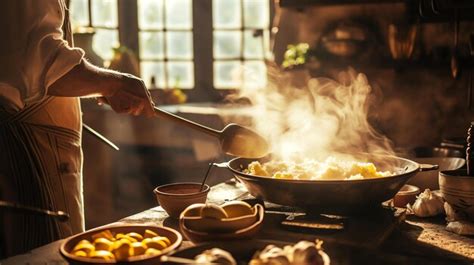
One of the most powerful cues for authenticity is visuals that include elements of the cooking process. A glimpse of raw, fresh ingredients being prepped, hands actively mixing, or a bubbling pot on the stove speaks volumes. These process shots offer transparency, demystifying the cooking journey and making the recipe feel less intimidating and more achievable. They bridge the gap between imagination and execution.
Consider images that show a slight flour dusting on a countertop, a few herb sprigs waiting to be chopped, or the sizzle in a pan. These aren’t imperfections; they’re indicators of activity and realness.

The Unfiltered Reality: Imperfection and Relatability
Paradoxically, a touch of imperfection often enhances authenticity. A slightly messy cutting board, a crumb fallen from a fresh bake, or a dish served on everyday kitchenware rather than an elaborate setup, all signal a lived experience. Natural lighting, often from a window, paired with unpretentious backgrounds, also contributes significantly. This “unfiltered” look reassures viewers that they don’t need professional photography skills or a gourmet kitchen to achieve similar results, fostering a sense of relatability and encouragement.
Contextualizing the Cuisine: Culture and Origin
For recipes rooted in specific cultures, visual cues that subtly hint at their origin can deeply resonate. This might involve traditional serving dishes, specific textiles, or even the inclusion of a regional ingredient that tells a story. Such contextual elements don’t just add aesthetic value; they enrich the recipe’s narrative, inviting a deeper appreciation and understanding, which in turn boosts authentic engagement.

Building Trust, One Bite at a Time
Ultimately, the best visual cue for authentic recipe engagement boils down to trust. Viewers are subconsciously evaluating whether they believe the recipe is genuinely good, easy to follow, and worth their time and effort. Visuals that lean into transparency, process, naturalness, and a touch of human element are far more effective at building this trust than hyper-polished, often sterile, imagery. They make the recipe feel alive, approachable, and truly delicious.
The goal is to invite the viewer into your kitchen, not just present them with a finished product on a pedestal. It’s about creating a connection that goes beyond surface-level admiration, inspiring them to roll up their sleeves and start cooking.

Conclusion: The Recipe for True Connection
While a stunning final dish photograph will always have its place, for authentic recipe engagement, the visual cues that truly matter are those that tell a story of process, reality, and genuine passion. Embrace shots that show ingredients in their raw state, hands in action, and the beautiful imperfections of home cooking. These are the visual “bites” that build trust, foster relatability, and ultimately, convert passive viewers into active, engaged cooks, eagerly recreating your culinary creations.