




Visual Foodies: How to truly spot and capture authentic local hidden food gems?

Beyond the Tourist Traps: The Art of Local Food Discovery
For the visual foodie, the thrill isn’t just in tasting, but in discovering and sharing the story of food. While popular eateries have their charm, true culinary adventure lies in unearthing the authentic, hidden food gems cherished by locals. These are the places that offer a genuine taste of a culture, often with a rich history and unique character. But how do you truly spot these elusive treasures and then capture their essence in a way that transports your audience?

Phase 1: The Detective Work – Spotting the Gems
1. Observe Local Indicators
When you’re in a new place, pay attention to where locals eat. Long queues, especially during off-peak hours, or a bustling lunch crowd at an unassuming spot, are strong signals. Look for signs written only in the local language; these are often a good indicator that the place caters primarily to the community, not tourists. Check for awards or local newspaper clippings displayed modestly on the walls.
2. Ask the Right Questions to the Right People
Don’t just ask hotel staff for recommendations, as they often suggest tourist-friendly spots. Instead, engage with taxi drivers, street vendors, shopkeepers, or even your Airbnb host. Ask them, “Where do YOU eat when you want good, authentic [local dish]?” or “Where’s your favorite place for a quick, delicious bite?” Their personal favorites are often the best-kept secrets.
3. Wander Off the Beaten Path
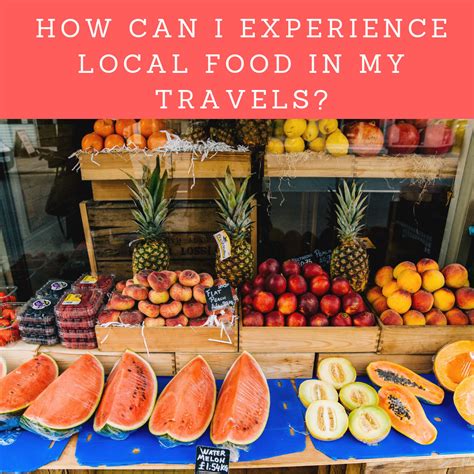
The most authentic food experiences rarely exist on the main boulevards or in heavily commercialized areas. Dedicate time to wander through residential neighborhoods, side alleys, and local markets. Sometimes, the most incredible flavors emerge from a humble cart or a small, family-run eatery tucked away from plain sight.
4. Leverage Social Media (Wisely)
While often associated with tourist traps, social media can be a powerful tool. Use local hashtags on Instagram or search local food blogs and forums. Look for posts with fewer perfect, staged photos and more candid shots that suggest genuine enjoyment. Pay attention to comments from local users. Google Maps with satellite view can also reveal hidden courtyards or back-alley entrances.
Phase 2: The Art of Capture – Visual Storytelling
Once you’ve found your gem, the next challenge is to capture its authenticity in a compelling visual narrative. Remember, you’re not just taking a picture of food; you’re telling a story about a place, a culture, and an experience.
1. Embrace Natural Light
Good lighting is paramount. Seek out natural light sources, whether it’s by a window, under an awning, or outdoors. Avoid harsh overhead lighting or using your camera’s flash, which can flatten the food and ruin its texture. Position the food to highlight its best features, using sidelight or backlight to create depth and dimension.
2. Focus on Composition and Context
Think beyond just the plate. Include elements that provide context: the hands of a chef preparing the dish, the rustic table setting, the vibrant street scene outside, or even the reactions of fellow diners. Experiment with different angles – overhead shots for intricate dishes, eye-level for dimension, or close-ups for texture and detail. The “rule of thirds” is your friend here.
3. Capture the Details and the Atmosphere
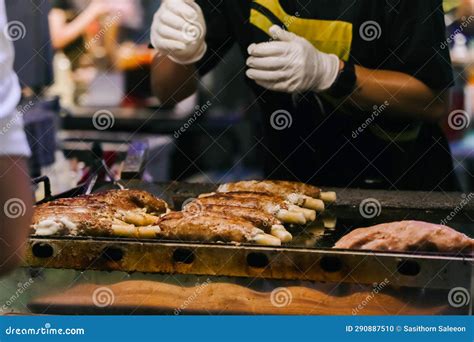
It’s often the small things that convey authenticity: the steam rising from a bowl, the imperfect sizzle marks on grilled meat, the worn character of the eatery itself, or the colorful spices on display. Don’t be afraid to get close. Also, try to capture the overall ambiance – the bustling kitchen, the friendly faces of the staff, or the unique decor that tells a story.
Phase 3: Ethical & Respectful Photography
Being a visual foodie also means being a respectful traveler. Your goal is to celebrate, not exploit.
- Ask Permission: Especially in smaller, family-run establishments, it’s polite to ask permission before taking extensive photos, particularly of people or the kitchen. A simple gesture or a quick “May I?” goes a long way.
- Be Discreet: Avoid disrupting other diners or the staff. Don’t use bulky equipment or block pathways. Be quick and efficient.
- Support the Business: The best way to show appreciation is to genuinely enjoy the food and support the establishment. Purchase something, engage with the staff, and leave a positive review.
The Reward of Culinary Discovery
Uncovering and beautifully capturing hidden local food gems is one of the most rewarding aspects of culinary travel. It allows you to connect with a culture on a deeper level, taste flavors rarely experienced by the average tourist, and share those authentic stories with the world. So next time you’re exploring, put on your detective hat, hone your visual skills, and embark on a delicious adventure!