



What visual plating tricks make simple recipes photo-ready for foodie feeds?

The Power of the Plate: Why Visuals Matter for Foodie Feeds
In the digital age, a dish isn’t truly enjoyed until it’s been photographed and shared. For home cooks and food bloggers alike, transforming a simple, delicious recipe into an Instagram-ready sensation is the ultimate goal. While taste is paramount, it’s the visual appeal that first captures attention. The good news? You don’t need gourmet ingredients or professional training to plate like a pro. With a few clever visual tricks, even the humblest meal can look like a culinary masterpiece.
Mastering Color and Contrast for Eye-Catching Dishes
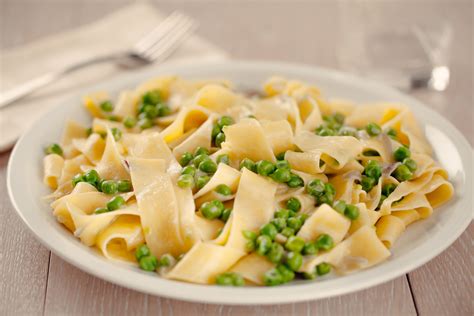
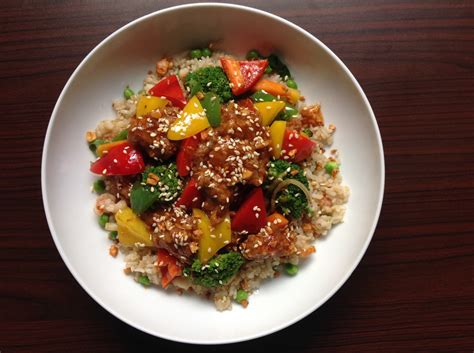
One of the easiest ways to elevate your food’s appearance is by playing with color and contrast. Think of your plate as a canvas. A monochromatic dish, while tasty, can look flat. Introduce pops of vibrant color through fresh herbs, colorful vegetables, or bright sauces. For instance, a creamy pasta dish instantly brightens with a sprinkle of chopped parsley or a few cherry tomato halves. Similarly, contrasting colors – like a bright green pesto swirl on a white mozzarella base, or a vibrant red berry coulis on a pale panna cotta – create immediate visual interest and make elements stand out.
Adding Texture and Dimension to Create Depth
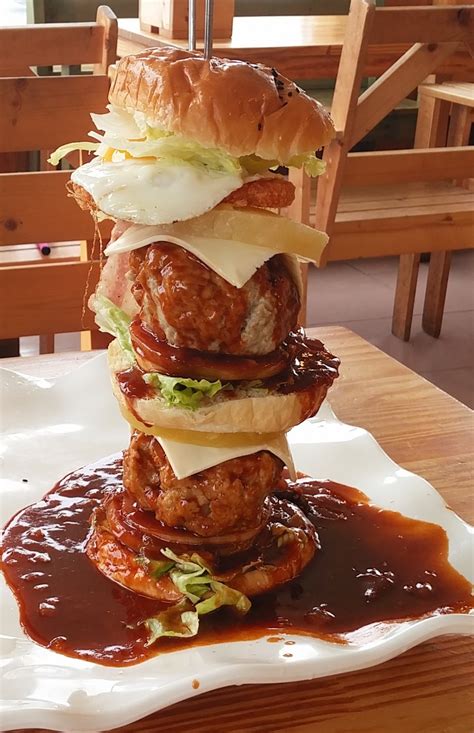
Flat food photographs poorly. To make your dishes truly sing, focus on adding texture and dimension. This means thinking beyond the two-dimensional. Create height by layering ingredients – stacking pancakes, building a tower of roasted vegetables, or mounding a grain salad. Introduce contrasting textures: crispy elements like croutons, toasted nuts, or fried onions next to smooth purées or tender meats. A drizzle of thick sauce can add a glossy texture, while a sprinkle of flaky sea salt provides visual interest and a subtle sparkle.
Consider how elements interact. A dollop of crème fraîche on soup, or a piece of perfectly seared salmon resting on a bed of vibrant asparagus, adds natural lift and interest.
The Art of Arrangement: Composition and Negative Space
How you arrange your food on the plate is crucial. Avoid simply dumping food in the center. Instead, think about composition. The “rule of thirds” (imagining your plate divided into nine sections and placing key elements along the lines or at their intersections) can be a great starting point. Aim for odd numbers of main elements, which often look more natural and dynamic than even numbers.
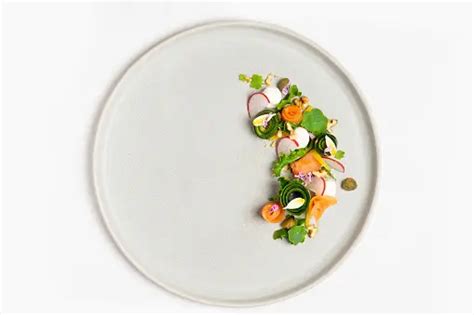
Embrace negative space. Don’t crowd the plate; leave some areas bare. This allows the eye to rest and highlights the star components of your dish. Create visual flow with leading lines, perhaps from a drizzle of sauce or a strategically placed garnish, guiding the viewer’s eye through the dish.
The Final Flourish: Garnishes and Finishing Touches
Garnishes are not just for decoration; they add a final layer of freshness, flavor, and visual appeal. A sprig of fresh herbs (parsley, cilantro, dill, mint) can transform a dish. A lemon wedge or lime zest can add a pop of color and suggest tanginess. For desserts, a dusting of powdered sugar, a few fresh berries, or a chocolate shave can make all the difference.
Think about drizzles: a swirl of balsamic glaze on Caprese, a zig-zag of sriracha mayo on tacos, or a generous pour of good quality olive oil can add shine and visual movement. These small touches show attention to detail and elevate the entire presentation.
Choosing Your Canvas: Plates and Backgrounds
The plate itself is an integral part of your plating strategy. Generally, simple, neutral-colored plates (white, off-white, light grey, or dark stoneware) allow your food to be the star. Avoid overly patterned or brightly colored plates that compete with the dish. Consider the size of the plate – it should be large enough to allow for negative space but not so large that the portion looks tiny.
Beyond the plate, your background matters. A clean, uncluttered background that complements the food without distracting from it is ideal. Think rustic wood, a simple linen tablecloth, or a plain wall. Natural light is almost always your best friend for food photography.
Practice Makes Perfect: Elevating Everyday Meals
Transforming your simple recipes into photo-ready masterpieces is an enjoyable journey of discovery. Start with one trick at a time, whether it’s adding a colorful garnish, creating a bit of height, or practicing the rule of thirds. Over time, these visual plating tricks will become second nature, and you’ll find yourself seeing everyday meals with a fresh, artistic eye. So go ahead, experiment, have fun, and get ready to impress your foodie followers with every delicious snap!