



How can I prevent my vibrant ingredients from losing color during cooking for better visuals?
The Importance of Vibrant Food Presentation
There’s an old adage that we eat with our eyes first, and it holds true in the culinary world. The visual appeal of a dish significantly impacts our perception of its taste and quality. When ingredients lose their natural vibrancy during cooking, a dish can appear dull and less appetizing, even if the flavor is exceptional. Preserving the bright colors of your vegetables, fruits, and other components is not just about aesthetics; it often indicates proper cooking techniques that retain nutrients and fresh textures.
Understanding why ingredients lose their color is the first step towards preventing it. Factors such as heat, pH levels, and oxidation all play a crucial role in altering the pigments that give food its beautiful hues. By employing specific strategies tailored to different types of ingredients, you can ensure your meals remain as visually stunning as they are delicious and nutritious.
Understanding the Science of Color Loss
Different natural pigments in food react uniquely to the cooking process. Knowing these reactions can help you choose the right technique.
Chlorophyll (Greens)
This pigment gives leafy greens, broccoli, and peas their vibrant green color. Chlorophyll is sensitive to heat and acid. Prolonged cooking or exposure to acidic environments (like vinegar or lemon juice) converts chlorophyll to pheophytin, which results in a drab olive-green or grayish hue. Rapid cooking and slightly alkaline conditions help preserve the bright green.
Anthocyanins (Reds, Purples, Blues)
Found in ingredients like red cabbage, berries, beets, and purple potatoes, anthocyanins are pH-sensitive. In acidic conditions, they tend to turn red or reddish-purple. In alkaline conditions, they can shift towards blue or even green (though sometimes undesirably). Overcooking can also dull these colors significantly.
![[100+] Bright Pictures | Wallpapers.com](/images/aHR0cHM6Ly90czQubW0uYmluZy5uZXQvdGg/aWQ9T0lQLkRzeC1waWhMRzgwbXJ4eTB3NWo4ZkFIYUU4JnBpZD0xNS4x.webp)
Carotenoids (Yellows, Oranges, Reds)
Carrots, sweet potatoes, bell peppers, and tomatoes owe their colors to carotenoids. These pigments are relatively stable to heat and pH changes compared to chlorophyll and anthocyanins. However, excessive cooking can still soften textures and subtly dull their vibrancy.
Betalains (Deep Reds, Yellows)
Most notably found in beets, betalains are very water-soluble and can bleed out easily during cooking. They are also sensitive to prolonged heat, which can cause them to dull.
General Strategies for Color Retention
Before diving into specific techniques, here are some universal tips to keep in mind:
- Start with Freshness: The fresher the ingredient, the stronger its initial pigment and the better it will hold up during cooking.
- Minimize Cooking Time: Overcooking is the number one enemy of vibrant colors. Cook ingredients just until tender-crisp.
- Proper Preparation: Cut vegetables uniformly to ensure even cooking, preventing some pieces from becoming overcooked while others are still raw.
- Don’t Crowd the Pan: Overcrowding lowers the temperature and steams ingredients instead of searing, leading to longer cooking times and duller colors.
Techniques for Specific Color Groups
Preserving Green Vegetables
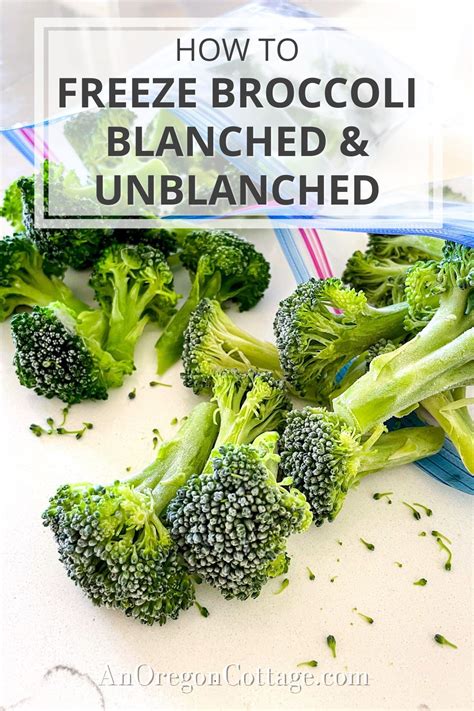
The key to bright green vegetables lies in rapid cooking and an immediate stop to the cooking process.
- Blanching and Shocking: This is the most effective method. Briefly boil green vegetables in salted water for 1-2 minutes (depending on size), then immediately transfer them to an ice bath. The rapid heating denatures enzymes that cause browning, while the cold bath stops the cooking and sets the color.
- Quick Sautéing or Steaming: For stir-fries or side dishes, cook greens quickly over high heat, or steam them lightly until just tender.
- Alkaline Boost (Use Sparingly): A tiny pinch of baking soda (1/4 teaspoon per gallon of water) can slightly raise the pH of cooking water, helping chlorophyll stay green. However, too much can make vegetables mushy and impart an off-flavor, so use with extreme caution.
Maintaining Reds and Purples
Anthocyanins benefit from acidity to maintain their bright hues.
- Add Acid: For ingredients like red cabbage or beets, a splash of lemon juice or vinegar during cooking can help preserve their rich red or purple tones. Be mindful that acid can also slightly toughen vegetables, so balance is key.
- Cook Separately: As anthocyanins are water-soluble, cook them separately or with minimal water to prevent bleeding into other ingredients, especially if preparing a dish with mixed colors.
- Gentle Cooking: Avoid prolonged, high-heat cooking, which can break down these delicate pigments.

Enhancing Yellows and Oranges
Carotenoids are generally robust, but you can still optimize their appearance.
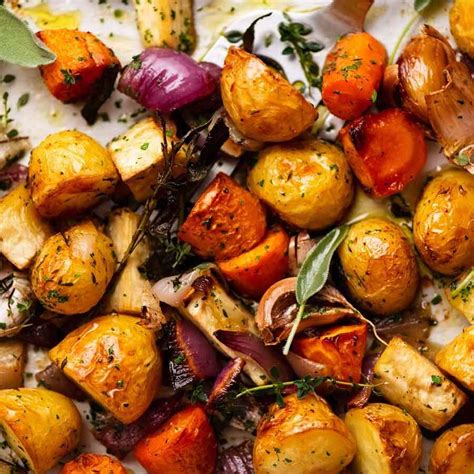
- Roasting: Roasting carrots, sweet potatoes, or bell peppers at moderately high temperatures can intensify their colors by caramelizing their natural sugars.
- Healthy Fats: As carotenoids are fat-soluble, cooking them with a little healthy fat (like olive oil) can actually enhance their absorption and sometimes their perceived vibrancy.
- Avoid Excessive Water: While they are stable, boiling can leach out some water-soluble nutrients and slightly dull their surface, so opt for roasting, steaming, or sautéing.
Beyond Cooking: Storage and Preparation
Color preservation starts even before cooking:
- Proper Storage: Store vegetables and fruits correctly (e.g., in a cool, dark place or refrigerated) to slow down enzymatic degradation that leads to color loss.
- Minimize Exposure to Air: Once cut, some ingredients (like apples or potatoes) will oxidize and brown. A squeeze of lemon juice or a quick blanch can prevent this.
- Prep Just Before Cooking: Cut ingredients as close to cooking time as possible to limit air exposure and maintain freshness.
Conclusion
Achieving visually stunning, colorful dishes is a cornerstone of great cooking. By understanding the unique properties of different food pigments and applying specific, targeted cooking techniques – from the rapid blanch and shock for greens to acidic boosts for reds – you can consistently prevent your vibrant ingredients from losing their appeal. Incorporating these strategies not only enhances the aesthetics of your meals but often also ensures better nutrient retention and texture, making every bite as delightful to the eyes as it is to the palate.