



Essential knife skills for uniform veggie cuts & beautiful plating?

In the culinary world, precision and presentation go hand-in-hand. While many home cooks focus on recipes and ingredients, the often-overlooked art of knife skills forms the bedrock of professional-looking and tasting meals. Achieving uniform vegetable cuts isn’t just about aesthetics; it profoundly impacts cooking times, texture, and ultimately, the overall success of your dish. This guide will walk you through the essential knife techniques that will transform your kitchen game, leading to beautifully plated meals every time.
Why Uniform Cuts Matter
Imagine a stew where some vegetables are mushy while others are still crunchy. This common problem often stems from inconsistent chopping. Uniformly cut vegetables cook evenly, ensuring every piece reaches its desired doneness simultaneously. This consistency is vital for dishes where ingredients are cooked together, such as stir-fries, soups, and roasts.
Beyond cooking, uniformity also elevates the sensory experience. Evenly sized pieces contribute to a harmonious texture in every bite. Moreover, the visual appeal of consistent cuts is undeniable. Whether you’re preparing a simple salad or a gourmet entrée, precise cuts make your food look more appetizing and professionally prepared.
Mastering Your Tools and Grip
Before diving into specific cuts, ensure you have the right tools and a proper grip. A sharp chef’s knife (8-10 inches) is your primary workhorse. A paring knife is useful for smaller, more intricate tasks. Always keep your knives sharp; a dull knife is more dangerous as it requires more force and is prone to slipping.
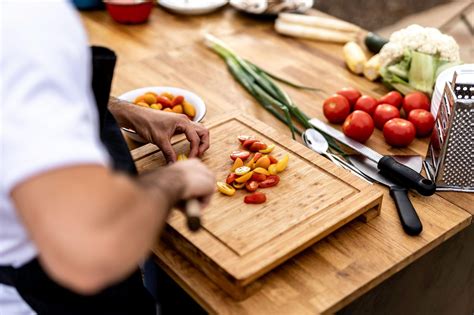
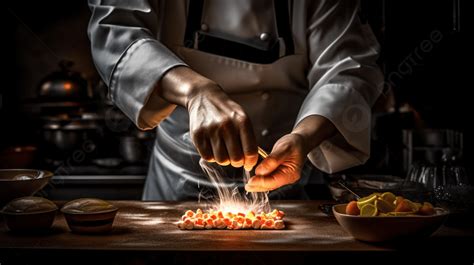
The correct grip is fundamental for control and safety. Hold the knife handle firmly with your dominant hand, wrapping your fingers around the handle and pinching the blade near the bolster (where the blade meets the handle) with your thumb and forefinger. This ‘pinch grip’ provides stability and control over the blade. Your non-dominant hand should form a ‘claw’ grip, tucking your fingertips under your knuckles, allowing the flat of your knuckles to guide the blade while protecting your fingertips.
Fundamental Cuts: Building Your Repertoire
Let’s explore some foundational vegetable cuts that every cook should master:
- Julienne: Thin matchsticks, typically 1/8 inch x 1/8 inch x 2 inches. Ideal for stir-fries, garnishes, and delicate salads.
- Batonnet: Thicker sticks, 1/4 inch x 1/4 inch x 2-2.5 inches. Perfect for french fries or roasting.
- Dice (Small, Medium, Large): Cubes derived from julienne or batonnet. Small dice (brunoise) is 1/8 inch cube, medium dice is 1/4 inch cube, and large dice is 1/2-3/4 inch cube. Essential for mirepoix, soups, and stews.
- Rondelle: Round or oval slices, common for carrots or zucchini.
- Paysanne: Thin, square, or triangular cuts, usually 1/2 inch x 1/2 inch x 1/8 inch thick, often used for soups.
Practice these cuts with various vegetables like carrots, celery, potatoes, and onions. The goal is consistency in size and shape.
Achieving Precision and Efficiency
Precision comes with practice and attention to detail. Always start with a stable cutting surface and a damp cloth or non-slip mat under your cutting board to prevent it from sliding. Take your time, especially when learning new cuts. Focus on the rhythm and motion rather than speed initially. Speed will naturally improve with proficiency.
Remember the ‘three-point rule’ for stability: your knife should always be anchored by your guiding hand’s knuckles, the cutting board, or the food itself. This ensures controlled movements and reduces the risk of accidents. Regular honing of your knife and occasional professional sharpening will maintain its edge, making precision cuts easier and safer.

From Prep to Plate: Elevating Your Presentation
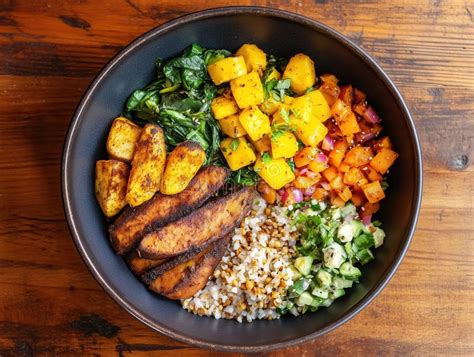
Uniform vegetable cuts are a game-changer for plating. When ingredients are consistent in size and shape, they naturally arrange themselves more aesthetically on the plate. Whether you’re arranging a colorful medley of julienned bell peppers, neatly diced potatoes, or perfectly round carrot slices, the precision makes your dish instantly more appealing.
Consider the color, texture, and height when plating. Uniform cuts allow you to build layers and create visual interest without the plate looking cluttered. They also ensure that each component of the dish contributes equally to the overall visual balance and culinary experience.
Conclusion
Investing time in honing your knife skills is one of the most impactful steps you can take to improve your cooking. It’s about more than just speed; it’s about control, safety, consistency, and ultimately, creating beautiful, delicious meals. With practice, patience, and the right techniques, you’ll transform everyday ingredients into culinary masterpieces that are as pleasing to the eye as they are to the palate. So grab your sharpest knife, practice your grip, and start dicing your way to kitchen confidence!