



Best tips for weekly meal prep that keeps real food fresh & photo-ready?

Weekly meal prep is a game-changer for anyone aiming to eat healthier, save time, and reduce daily stress. However, the true challenge lies not just in cooking ahead, but in ensuring your real, nutritious food stays vibrantly fresh and appealing throughout the week—even camera-ready for that occasional #MealPrepMonday shot! This guide will walk you through expert strategies to master the art of meal prepping, keeping your culinary creations delicious and visually stunning from Sunday to Friday.
Start with a Strategic Plan and Smart Shopping
The success of your meal prep hinges on meticulous planning. Before you even set foot in the kitchen, dedicate time to creating a detailed meal plan for the week. Consider what ingredients can be reused across different dishes and which items have a shorter shelf life. Make a precise shopping list to avoid impulse buys and ensure you have all necessary components. Opt for high-quality, fresh produce and proteins; their initial freshness directly impacts their longevity in your prepped meals.
Mastering Prep Techniques for Optimal Freshness
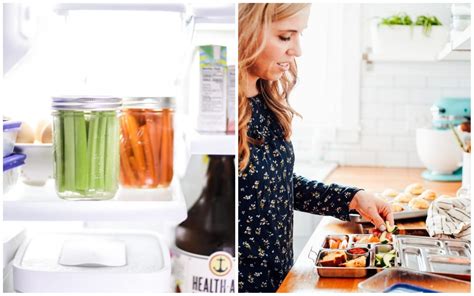
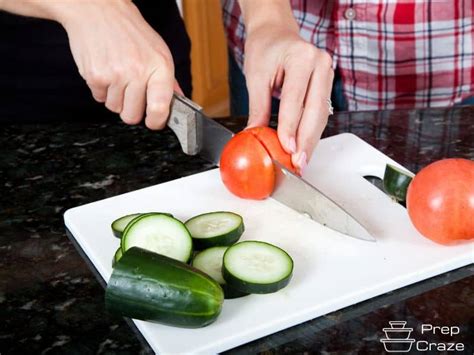
How you prepare your ingredients is crucial for freshness. Always wash and thoroughly dry all produce before storage or cooking. Excess moisture is the enemy of crisp greens and vegetables. For items like leafy greens, consider using a salad spinner and then layering them with a paper towel in an airtight container. Chop vegetables into consistent sizes for even cooking, but store harder vegetables (carrots, celery) separately from softer ones (peppers, zucchini) if not immediately cooking.
To preserve vibrant colors and textures, lightly blanch tougher vegetables like broccoli, green beans, or asparagus before cooling them rapidly in an ice bath. This technique halts the cooking process and locks in nutrients, color, and a pleasant crispness. For sauces and dressings, always store them separately from your main components. Adding them just before serving prevents sogginess and maintains the integrity of your meal.
The Secrets to Superior Storage
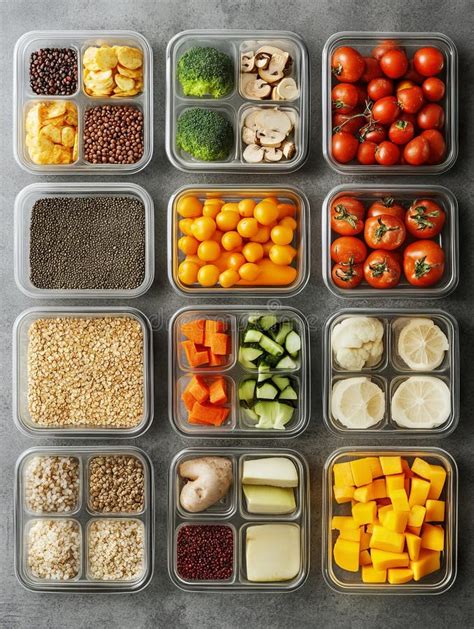
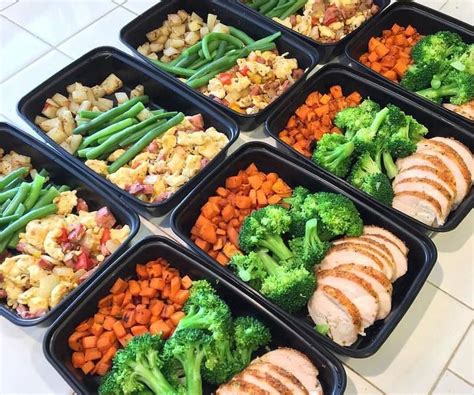
Investing in the right storage containers is paramount. Glass containers with airtight lids are often preferred over plastic as they don’t stain, retain odors, or leach chemicals, and they are excellent for reheating. Consider vacuum-sealing delicate items or those prone to oxidation to extend their shelf life significantly. When packing, layer your meals strategically: heavier, wet ingredients at the bottom (e.g., grains, proteins), followed by vegetables, and finally, delicate garnishes or dressings in separate small compartments or containers.
Proper refrigeration is also key. Ensure your refrigerator is set to the optimal temperature (around 35-38°F or 1-3°C) and avoid overcrowding, which can hinder proper air circulation. Labeling your containers with the date and meal type helps you track freshness and ensures you consume older meals first.
Crafting Photo-Ready (and Delicious) Meals
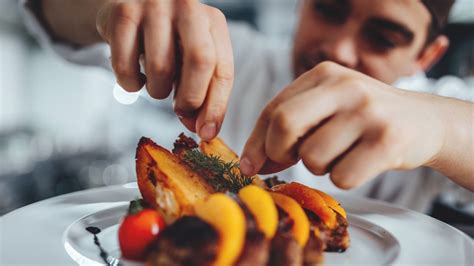
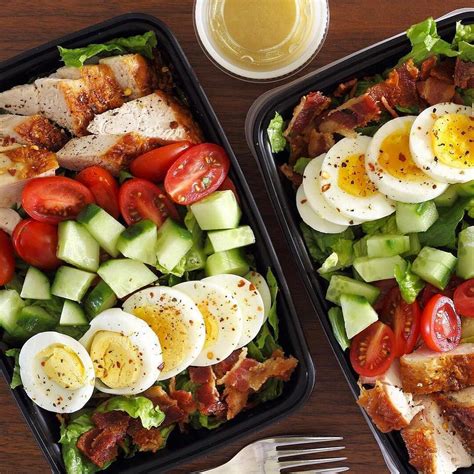
Beyond freshness, presentation plays a huge role in enjoying your prepped meals. Focus on incorporating a variety of colors in each meal—think vibrant reds from bell peppers, deep greens from spinach, and bright oranges from carrots or sweet potatoes. When plating, even for a quick desk lunch, take a moment to arrange components artfully. A sprinkle of fresh herbs, a wedge of lemon, or a dash of sesame seeds added just before serving can elevate a simple meal from functional to fabulous.
Remember that “photo-ready” also implies “delicious.” Don’t skimp on seasoning or flavor profiles during your initial cook. Experiment with different spices, herbs, and marinades to keep your meals exciting. Reheat gently to preserve textures, especially for proteins and vegetables, to ensure they don’t become overcooked or rubbery.

Avoiding Common Meal Prep Pitfalls
While meal prepping is incredibly beneficial, a few common mistakes can hinder your efforts. Avoid over-prepping items that spoil quickly, like delicate fish or certain cooked greens, which might only last 2-3 days. Instead, prep their components and cook them fresh mid-week. Don’t fall into a rut of eating the same meal every day; variety is key to both nutrition and enjoyment. Consider prepping 2-3 different main dishes to rotate throughout the week. Lastly, don’t be afraid to utilize different cooking methods—roasting, grilling, baking, or even slow cooking—to add diversity to your prepped proteins and vegetables.

Conclusion
With these strategies in your arsenal, you’re well-equipped to transform your weekly meal prep from a chore into a rewarding ritual. By focusing on smart planning, precise prep techniques, superior storage, and thoughtful presentation, you can ensure your real food stays fresh, retains its nutritional value, and consistently looks as good as it tastes—making every meal a delightful and Instagram-worthy experience. Happy prepping!