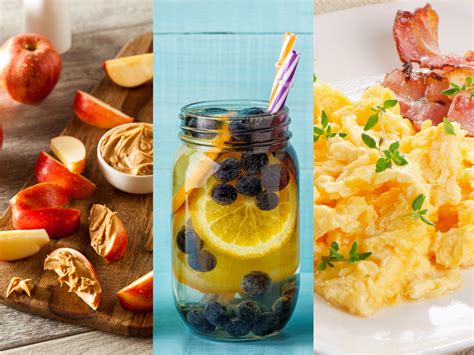




How do you style quick, healthy meals to look amazing for your feed?
In today’s fast-paced world, quick and healthy meals are a lifesaver. But let’s be honest, often the rush to prepare them leaves little time for presentation, especially when you want to share your culinary creations with the world. Making your nutritious dishes pop on your social media feed isn’t just for professional food bloggers; it’s a simple way to inspire others, track your own progress, and add a dash of joy to your daily routine. With a few smart tips and tricks, you can elevate your everyday meals into visual feasts worthy of endless scrolling.
Why Presentation Matters for Your Feed
Beyond simply sharing what you eat, beautifully styled food photography serves multiple purposes. It grabs attention in a crowded feed, encourages engagement, and subtly communicates the deliciousness and health benefits of your meal. A visually appealing plate can make a simple salad look gourmet and a functional meal prep box look inspiring. It reflects care, creativity, and a passion for wholesome eating that resonates with your audience.
Master the Art of Plating
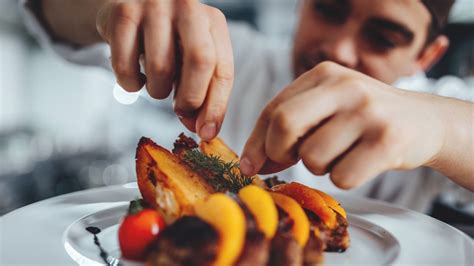
Plating is the foundation of food styling. Think of your plate as a canvas, and your food as the paint. The goal is to create balance, contrast, and visual interest.
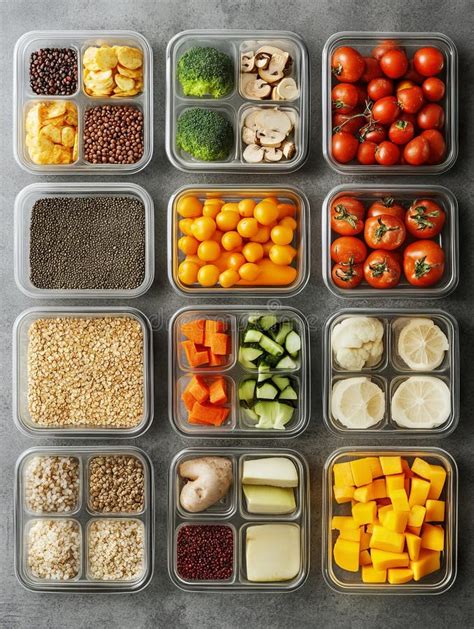
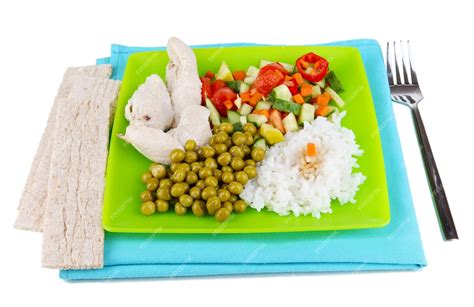
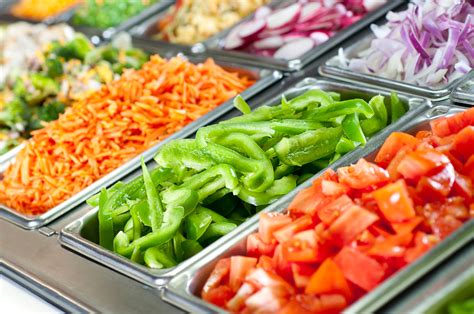
- Color & Contrast: Utilize the natural vibrant colors of healthy ingredients. Bright reds from bell peppers, deep greens from spinach, and sunny yellows from corn create a dynamic palette. Arrange items to create contrast, placing a darker element next to a lighter one.
- Texture & Layers: Add different textures to make the meal more inviting. Think crunchy nuts on a creamy soup, fresh herbs over a smooth protein, or crispy roasted vegetables alongside soft grains. Layers add depth and make the dish look more substantial.
- Negative Space: Don’t overcrowd your plate. Leave some empty space around your food to let the elements breathe and stand out. This allows the viewer’s eye to focus on the main subject.
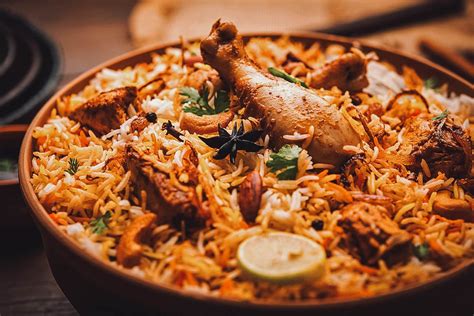
- Garnishes: A simple garnish can elevate a dish immensely. A sprinkle of fresh herbs (parsley, cilantro, dill), a squeeze of lime, a dusting of paprika, or a few toasted seeds (sesame, chia) add a professional touch and a burst of color.
Harnessing the Power of Light
Light is arguably the most crucial element in food photography. It can make or break your shot.
- Natural Light is Your Best Friend: Always try to shoot in natural light. Position your plate near a window, but avoid direct harsh sunlight, which can create unflattering shadows and blown-out highlights. Overcast days or indirect light provide a soft, even glow that makes food look inviting.
- Angles and Shadows: Experiment with the direction of the light. Side lighting or backlighting can create beautiful shadows and highlights that add dimension to your food. Frontal flash is almost always a no-go for food photography as it flattens the image.
Props and Backgrounds: Your Secret Weapons
While the food is the star, the supporting cast—props and backgrounds—play a vital role in setting the scene and enhancing the overall aesthetic of your image.
- Simple is Key: Opt for simple, neutral-colored plates and bowls that don’t compete with the food. White, grey, black, or earthy tones are excellent choices.
- Subtle Props: A linen napkin, a rustic fork, a small glass of water, or a strategically placed ingredient used in the dish can add context and interest without distracting. Keep it minimal and relevant.
- Clean Backgrounds: A plain wall, a wooden table, a marble countertop, or even a simple piece of fabric can serve as an effective background. Ensure your background is clean and uncluttered to keep the focus on your meal.
The Golden Rules of Photography
Even with a smartphone, adhering to basic photography principles can drastically improve your food shots.
- Angles: For quick meals, the most popular and effective angles are the overhead shot (flat lay), which works wonderfully for bowls, salads, and complex plates, and the 45-degree angle, which mimics how you’d see the food sitting at a table.
- Focus: Make sure your main subject is in sharp focus. Tap on your phone screen to set the focus on the most appealing part of your dish.
- Framing: Use the rule of thirds. Imagine a grid over your image and place key elements along the lines or at their intersections for a more balanced and engaging composition.
Quick Editing for a Polished Look
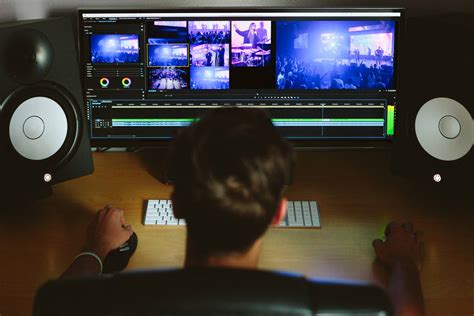
A little post-processing can go a long way in making your photos shine. You don’t need complex software; most smartphone apps have excellent editing capabilities.
- Brightness & Contrast: Adjust these to make your food pop. Be careful not to overexpose or underexpose.
- Saturation & Vibrance: Boost colors naturally without making them look artificial. Healthy meals are often colorful, so enhancing this aspect is beneficial.
- Sharpness: A slight increase in sharpness can bring out details and make your food look crisper.
- Crop & Straighten: Ensure your image is perfectly straight and crop out any distracting elements.
Consistency is Key
Developing a consistent look for your food photos helps build a recognizable aesthetic on your feed. This doesn’t mean every photo has to be identical, but rather that they share a common style – perhaps always shooting with natural light, using similar plating techniques, or adhering to a certain color palette in your editing. Over time, your followers will come to recognize and appreciate your unique visual signature.
Styling quick, healthy meals for your feed doesn’t have to be a daunting task. By focusing on smart plating, leveraging natural light, choosing simple props, and applying a few basic photography and editing tricks, you can consistently create stunning food photos that not only look amazing but also inspire a healthier, more beautiful lifestyle. So go ahead, unleash your inner food stylist, and get ready for those likes to roll in!