



What quick food photography tips make Visual Bites truly irresistible?
In today’s visually-driven world, a picture of food can be as enticing as the meal itself. Whether you’re a blogger, a home cook, or a restaurant owner, making your food look delectable through photography is crucial for capturing attention. You don’t need expensive gear or a professional studio; with a few quick tips, you can elevate your visual bites from ordinary to absolutely irresistible.
Master the Light (Your Best Friend)
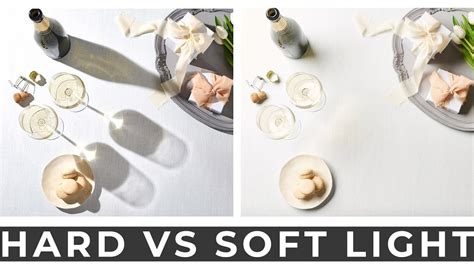
The single most important ingredient for stunning food photography is good lighting. Natural light is almost always superior to artificial flash. Position your food near a window, allowing soft, diffused light to illuminate your dish. Avoid direct sunlight, which can create harsh shadows and blow out highlights.
If direct sunlight is all you have, use a sheer curtain or a piece of parchment paper to diffuse it. This softens the light, reduces harsh shadows, and brings out the texture and color of your food more beautifully. Experiment with different angles relative to the light source – side lighting often adds appealing depth and dimension.
Angle Your Shot for Impact
The perspective from which you shoot your food can dramatically change its appeal. There are three primary angles to consider:
- Overhead (Flat Lay): Perfect for dishes with many components, colorful toppings, or beautifully arranged ingredients, like salads, pizzas, or a breakfast spread. This angle showcases the entire composition.
- 45-Degree Angle: Mimics how you’d typically view food at a table. It’s excellent for showcasing the depth and volume of a dish, especially bowls of soup, pasta, or plates where height is important.
- Straight-On (Eye-Level): Best for foods with significant height, such as towering burgers, layered cakes, or drinks. This angle highlights the verticality and individual layers of the food.
Simplify Your Scene & Use Props Wisely
The star of your photo should always be the food itself. Declutter your background and foreground, removing anything that distracts from your main subject. A clean, simple backdrop (a plain wall, a wooden table, or a textured fabric) helps the food pop.
When using props, less is often more. Choose items that complement the food’s story and color palette without overpowering it. Think about small, authentic elements: a fork, a linen napkin, a few fresh herbs, or a rustic cutting board. Ensure props are relevant to the dish and enhance its appeal, rather than competing for attention.
Embrace the Power of Composition
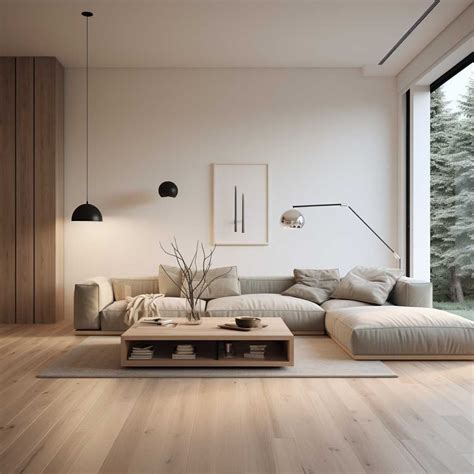
Even quick shots can benefit from thoughtful composition. The ‘Rule of Thirds’ is a classic guideline: imagine a tic-tac-toe grid over your image and place your main subject or key elements along the lines or at their intersections. This creates a more dynamic and engaging photo than simply centering everything.
Look for leading lines (like a spoon handle or a table edge) that draw the viewer’s eye towards the food. Pay attention to colors and textures; contrasting elements can make your photo more vibrant and interesting. Don’t be afraid to experiment with negative space – empty areas around your subject can make it stand out more.
Quick Edits for a Professional Finish
Even the best raw photos can be improved with a few quick edits. You don’t need complex software; many free smartphone apps (like Snapseed, Lightroom Mobile, or even your phone’s built-in editor) offer powerful tools. Focus on these key adjustments:
- Brightness/Exposure: Lighten up photos that look a bit dull.
- Contrast: Make the brights brighter and the darks darker, adding punch.
- Saturation/Vibrance: Boost colors subtly, but avoid over-saturating which can make food look artificial.
- Sharpening: Enhance details, but use sparingly to avoid graininess.
- White Balance: Correct any color casts to make whites look truly white.

The “Human Element” & Storytelling
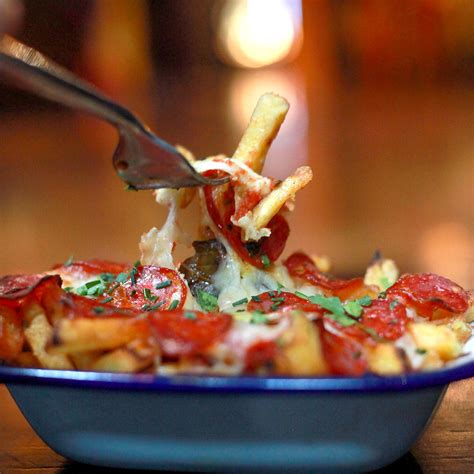
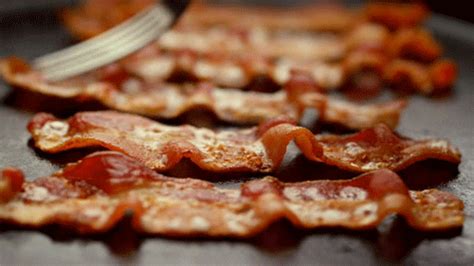
Sometimes, the most irresistible food photos include a hint of human interaction. A hand reaching for a piece of cake, a sprinkle of fresh herbs, or even a slight blur suggesting movement can add warmth and relatability. Showcasing steam rising from a hot dish or a glistening sauce can instantly convey freshness and deliciousness. Think about the story you want to tell – is it comfort food, an elegant dessert, or a fresh, healthy meal? Let your styling and composition reflect that narrative.
Transforming your food photos into ‘Visual Bites’ that truly stand out doesn’t have to be complicated. By focusing on good lighting, smart angles, thoughtful composition, minimal styling, and a touch of editing, you can create mouth-watering images that leave your audience craving more. Practice these tips regularly, and you’ll be amazed at how quickly your food photography skills improve.