



Elevate dishes: how to visually plate like a pro?
In the culinary world, we often eat first with our eyes. The way a dish is presented can significantly impact the dining experience, making it more appealing, sophisticated, and memorable. Moving beyond simply arranging food on a plate, professional plating is an art form that transforms ingredients into a visual masterpiece. It’s about telling a story, creating intrigue, and elevating the perceived value of your cooking.
The Foundation: Principles of Professional Plating
At the heart of stunning food presentation are several fundamental principles. Understanding these will guide your creative process and help you build visually harmonious dishes. Think about balance in terms of color, texture, and shape. A dish with too much of one color can be monotonous, while a variety of textures adds interest. Create a focal point – often the most important or visually appealing component – to draw the diner’s eye. Utilize negative space effectively; the empty areas on a plate are just as important as the food itself, preventing a cluttered appearance. Finally, consider proportion, ensuring that all elements are appropriately sized relative to each other and the plate.

Essential Tools and Techniques for Plating Perfection
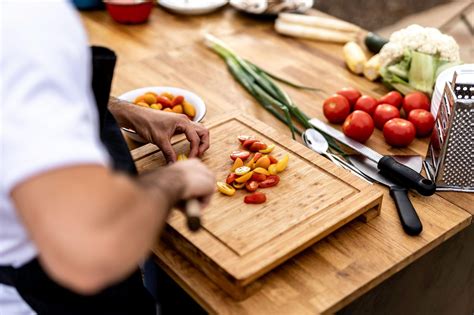
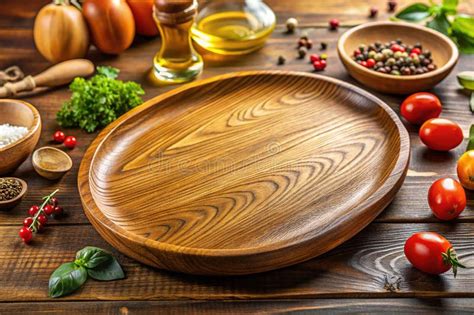
While creativity is key, having the right tools and techniques can make the process much easier and more precise. Your choice of plate is fundamental; often, simple white plates allow the food to stand out. Consider different shapes (round, square, rectangular) and sizes based on the dish. Squeeze bottles are indispensable for precise sauce application, allowing for elegant dots, swirls, or lines. Ring molds help create perfect towers or shapes for starches and vegetables. Tongs are excellent for delicate placement, and a clean chef’s towel is vital for wiping plate rims clean before serving.
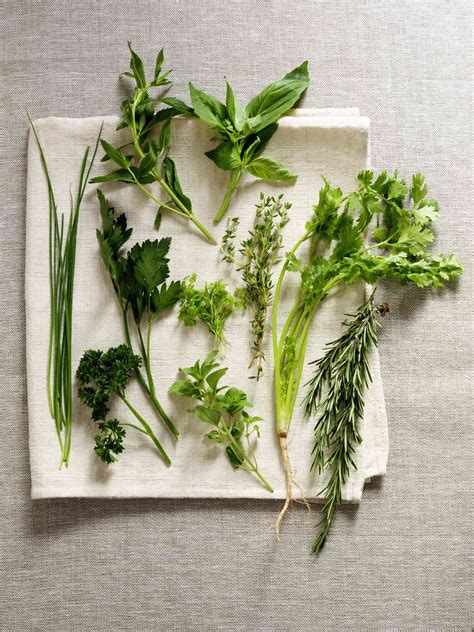
Garnishes are not just an afterthought; they are integral to the visual appeal. Fresh herbs, microgreens, edible flowers, and citrus zest can add pops of color, texture, and aroma. Always ensure garnishes are fresh, vibrant, and complement the flavors of the dish.
Mastering Arrangement and Composition
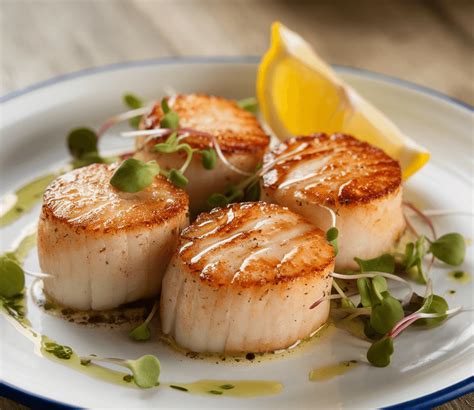
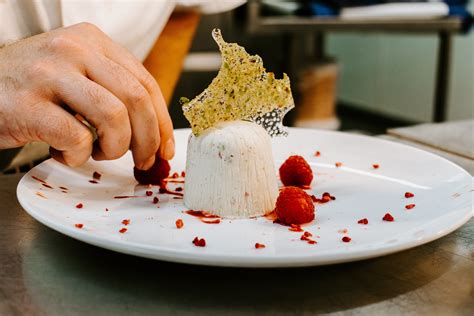
Once you have your principles and tools, it’s time to compose your dish. Think in odd numbers when arranging elements – three scallops often look more appealing than two or four. Build height by layering ingredients; this adds dynamism and visual interest, making the dish look more substantial and professional. When applying sauces, consider swiping a bold line across the plate, creating small decorative dots, or pooling it underneath the main ingredient. Remember the “rule of thirds” from photography, imagining a grid on your plate and placing key elements along the lines or at their intersections.

The Power of Color, Texture, and Contrast
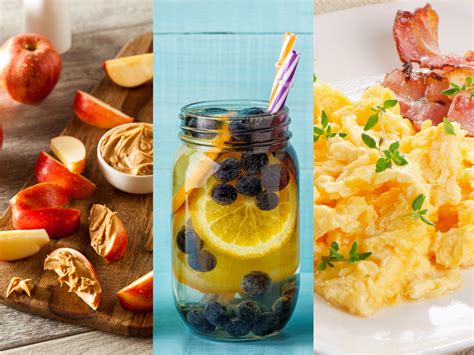
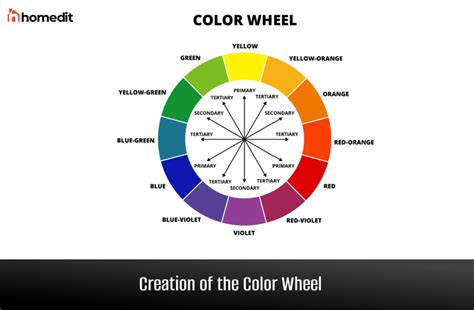
A visually appealing plate often showcases a harmonious interplay of colors. Think about complementary colors, vibrant contrasts, and subtle gradations. For instance, a rich red tomato sauce against bright green basil or a golden-brown sear on a protein with a creamy white puree. Textures add depth; combine crispy elements with soft, smooth with coarse. Contrast is crucial – not just in color, but also in shape and temperature. A round dollop of puree next to a sharply cut piece of meat creates visual tension that excites the eye.
Final Touches and Practice Makes Perfect
Before sending your masterpiece to the table, take a moment for the final inspection. Wipe away any smudges or drips from the rim of the plate. Ensure garnishes are fresh and thoughtfully placed. Consider the diner’s perspective – how will the dish look from their seat? Does it invite them to dig in? Like any skill, mastering plating takes practice. Experiment with different arrangements, observe professional chefs, and don’t be afraid to try new techniques. The more you practice, the more intuitive the art of plating will become, allowing you to consistently create dishes that delight both the eye and the palate.

By applying these techniques, you can transform your everyday meals into extraordinary culinary experiences. So, next time you’re in the kitchen, remember that presentation is just as important as taste. Happy plating!