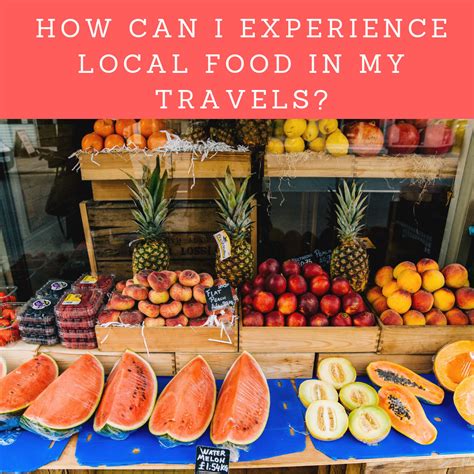





How do real foodies use visual clues to pinpoint authentic local eateries?

For the true foodie, travel isn’t just about sightseeing; it’s a gastronomic adventure, a quest for authentic flavors that tell the story of a place. But with countless options, how do seasoned culinary explorers consistently find those hidden gems, the local eateries where the real magic happens? It’s often less about glossy guidebooks and more about a keen eye for subtle visual clues that betray genuine authenticity.
The Exterior: A Window to Authenticity
The first impression is crucial. Authentic local spots rarely boast flashy facades or modern architectural marvels. Instead, look for signs of wear and tear that suggest years of beloved patronage. Peeling paint, faded signage (especially if it’s hand-painted or in the local language without overly prominent English translations), and a general lack of pretension often hint at a place focused more on its food than its appearance. A handwritten menu tacked outside or a simple blackboard featuring daily specials are also excellent indicators.
The Crowd: Who’s Eating Here?
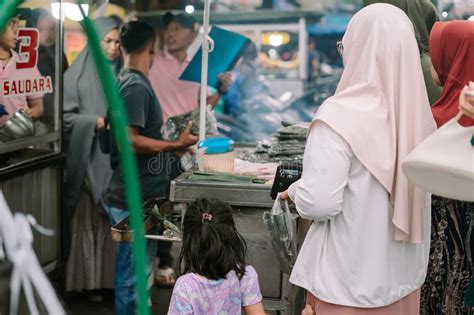
Perhaps the most telling visual clue is the clientele. Scan the tables: Are they filled predominantly with locals? Look for families, groups of friends speaking the native tongue, or workers on their lunch breaks. A restaurant brimming with tourists might indicate a tourist trap, but a place packed with locals, especially during off-peak hours, is a strong signal that you’ve stumbled upon a genuinely cherished establishment. Long lines, particularly those moving efficiently, are also a great sign of popularity and good food.
The Interior Vibe: Rustic Charm Over Polished Shine
Step inside, and the visual clues continue. Authentic eateries often prioritize functionality and cleanliness over elaborate decor. Simple, sturdy tables and chairs, utilitarian lighting, and a bustling, sometimes noisy, atmosphere are common. A visible kitchen, even if just a peek into the action, can be a reassuring sign of transparency and fresh preparation. Look for elements that speak to the local culture, whether it’s specific pottery, artwork, or traditional textiles, rather than generic international decor.
The Menu & Presentation: Simplicity is Key
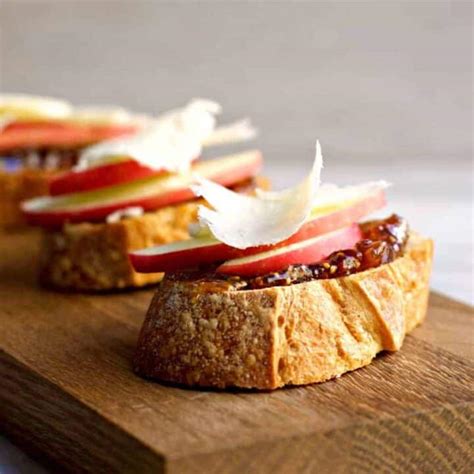
A short, focused menu is often a good sign. It suggests mastery over a few dishes rather than an attempt to cater to every palate with mediocre results. If the menu is predominantly in the local language with perhaps a basic English translation, that’s a positive indicator. The food itself might not be Instagram-perfect in presentation; authentic local dishes are often served rustically, emphasizing flavor and tradition over elaborate plating. Look for generous portions that signify value and heartiness.

The Staff: Passion and Local Knowledge
While not strictly a visual clue, observing the staff offers valuable insights. Do they interact genuinely with the local customers? Are they efficient, knowledgeable about the dishes, and seemingly passionate about the food they serve? In many authentic establishments, especially family-run ones, the staff might not be fluent in English, but their pride in their cuisine often shines through in their demeanor and service.
The Table Essentials: Condiments and Cutlery
Even the smallest details matter. Are there local condiments on the table, such as regional sauces, chilis, or unique spice blends, rather than just standard salt and pepper? What kind of cutlery or serving dishes are used? Often, authentic places will use traditional serving ware that reflects local customs and culinary practices, adding to the overall experience.

Putting It All Together: A Holistic Approach
Ultimately, pinpointing an authentic local eatery isn’t about one single clue but a combination of many. It’s the worn exterior, the bustling crowd of locals, the simple yet inviting interior, the focused menu, and the genuine atmosphere that collectively paint a picture of culinary authenticity. Real foodies develop an intuition for these cues, allowing them to bypass tourist traps and dive headfirst into the true flavors of a destination.
Next time you’re exploring a new city, put down the online reviews for a moment. Instead, hone your visual senses, trust your instincts, and embark on your own delicious adventure, guided by the silent, powerful language of authenticity.