




Visual hacks: How do real foodies find authentic hidden eats quickly?

For the true foodie, there’s a world of difference between a tourist-trap eatery and an authentic hidden gem. The former offers a passable meal; the latter, a culinary revelation that often defines a travel experience. But in a bustling city or an unfamiliar town, how do real foodies cut through the noise to find those coveted, genuine local eats quickly? It’s all about mastering visual hacks and observing subtle clues.
The Quest for Authenticity: Beyond Tourist Traps
The first rule of finding authentic food is to actively avoid places designed for tourists. These often feature multi-language menus prominently displayed, English-speaking hawkers outside, and pictures of every dish. While convenient, they rarely offer the true taste of a local culture. Real foodies develop a radar for these signals and learn to look beyond the obvious.
Spotting Local Hotspots: The People Factor
One of the most reliable visual cues is the crowd itself. A restaurant packed with locals, especially during off-peak hours, is almost always a good sign. Don’t be deterred by a long queue; it often indicates something truly special awaits.
Crowds are Your Compass
Observe who is eating where. Are families dining together? Are business people having lunch? These are strong indicators that a place serves consistent, beloved food. A restaurant full of tourists might be popular, but it doesn’t guarantee authenticity.
Observe the Demographics
Look for multi-generational groups or people dressed in local attire. If the majority of patrons are speaking the local language and not English, you’re likely on the right track. This demographic observation is a powerful, instant filter.
Visual Cues of Genuine Charm
Beyond the people, the physical environment of an eatery offers a wealth of information. Authentic places often prioritize substance over style.
The Unpolished Aesthetic
Don’t be afraid of humble, unassuming establishments. Often, the best food comes from places with simple decor, worn tables, and a general lack of pretension. A sparkling, ultra-modern interior might be inviting, but it can sometimes mask a lack of focus on the food itself. Look for signs of age and history – these often mean a long-standing local favorite.
Handwritten Menus and Language Barriers
A handwritten menu, or one that’s exclusively in the local language, is a strong indicator that the establishment caters primarily to locals. While it might require a translation app or some pointing, the effort is usually rewarded. The more obscure the menu, the more likely you are to stumble upon a truly local delicacy.
Open Kitchens and Fresh Ingredients
If you can see into the kitchen or observe ingredients being prepared and delivered, that’s a huge plus. It signals transparency and a focus on fresh, quality produce. Seeing chefs actively cooking, rather than just reheating, builds confidence in the food’s authenticity and freshness.
Dish Detective: What Are They Eating?
Once you’ve identified a promising spot, take a moment to observe what other diners are ordering. This is a crucial visual hack for both authenticity and deliciousness.
The “Signature Dish” Phenomenon
If multiple tables are ordering the same dish, it’s probably the house specialty and a must-try. This collective endorsement is a stronger recommendation than any online review. Don’t be shy about pointing to a plate you like the look of and asking for “that one.”
The Plating Tells a Story
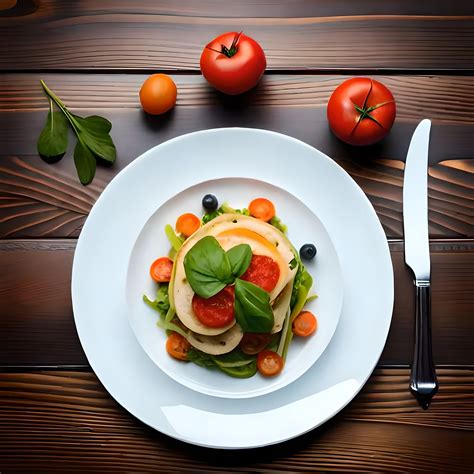
Authentic local food is often less about elaborate presentation and more about hearty portions and comforting aesthetics. If dishes look rustic, generous, and clearly prepared with traditional methods, you’re on the right track. Highly styled, minimalist plating can sometimes be a red flag for places catering to an international, less traditional palate.
Leveraging Digital Tools (Wisely)
While the goal is to observe in person, digital tools can augment your search if used correctly.
Instagram and Google Maps with a Keen Eye
Instead of looking at professional food blogger photos, use platforms like Instagram to search location tags and view user-generated content. Look for photos taken by locals, often with less polished styling. On Google Maps, filter by “photos” and scrutinize the actual dishes and the restaurant interior in customer-submitted pictures, paying attention to the details discussed above. Reading reviews, especially those in the local language (use a translator), can also provide authentic insights.
Mastering these visual hacks transforms your search for food into an exciting detective mission. By paying close attention to who is eating where, what the environment looks like, and what dishes are popular, you’ll quickly uncover the truly authentic, hidden culinary gems that make travel unforgettable. So next time you’re exploring, put on your foodie detective hat and let your eyes lead the way to your next great meal.