




How to keep fresh herbs vibrant for visually appealing garnishes longer?

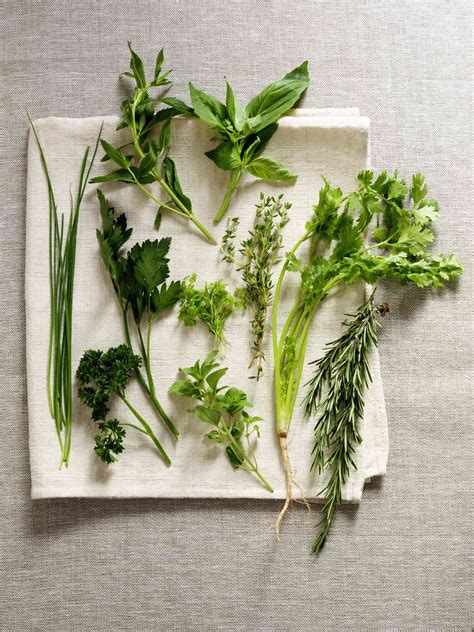
Fresh herbs are more than just flavor enhancers; they are the vibrant jewels of culinary presentation, transforming a simple dish into a work of art. A limp, discolored garnish, however, can detract from even the most delicious meal. Mastering the art of keeping herbs fresh and visually appealing is a game-changer for any home cook or aspiring chef. This guide will walk you through proven techniques to extend the life and vivacity of your favorite herbs, ensuring your garnishes always impress.
The Essential First Steps: Cleanliness and Dryness
Before any storage method, proper preparation is crucial. Many herbs come from the grocery store with dirt or pesticides, and moisture is the enemy of freshness.
Rinse Gently, Dry Thoroughly
- Rinsing: Wash your herbs under cool, running water. For delicate herbs like cilantro or parsley, swish them in a bowl of cold water to remove any grit.
- Drying: This is perhaps the most critical step. Excess moisture promotes rot. Use a salad spinner for sturdy herbs or gently pat them dry with paper towels. For very delicate herbs, lay them flat on a clean kitchen towel and allow them to air dry for a short period before proceeding. They should be completely dry to the touch.
Short-Term Storage Solutions for Maximum Vibrancy
Different herbs require different approaches due to their stem structure and delicacy.
The Water Glass Method: Ideal for Woody-Stemmed and Some Tender Herbs
This method mimics a bouquet of flowers and works wonders for herbs like parsley, cilantro, basil (if stored at room temperature), mint, rosemary, thyme, and chives.
- Trim about half an inch off the bottom of the stems.
- Place the herb bunch, stem-down, into a glass or jar with about an inch of fresh water, similar to how you’d display flowers.
- For most herbs (except basil), cover the top loosely with a plastic bag (a produce bag works well) to create a humid environment, then place it in the refrigerator.
- Basil, being sensitive to cold, should be kept on the countertop, away from direct sunlight.
- Change the water every 1-2 days to prevent bacterial growth.
The Damp Paper Towel Roll: Best for Delicate Leafy Herbs
This technique is perfect for herbs that don’t do well standing in water or are very delicate, such as arugula, dill, and sometimes even parsley or cilantro if you prefer this method.
- Lay a slightly damp (not wet) paper towel flat.
- Arrange the dried herbs in a single layer along one edge of the paper towel.
- Gently roll up the herbs in the paper towel.
- Place the rolled bundle into a resealable plastic bag or an airtight container.
- Store in the crisper drawer of your refrigerator.
- Check the paper towel every few days; if it feels dry, re-dampen it slightly.
Longer-Term Preservation for Future Garnishes
Sometimes you have an abundance of herbs or want to prepare them for later use.
Freezing Herbs: A Convenient Option
While freezing can slightly alter the texture, it preserves flavor and color, making it suitable for many garnishes, especially those that will be incorporated into cooked dishes or as a fine chop.
- Chopped Herbs: Chop herbs finely and pack them into ice cube trays. Fill the trays with water or olive oil, then freeze. Once solid, transfer the herb cubes to an airtight freezer bag.
- Blanched Herbs: For herbs like parsley or cilantro, a quick blanch (30 seconds in boiling water, then an ice bath) before freezing can help preserve their vibrant green color. Pat them very dry before freezing.

Herb Oils and Pestos
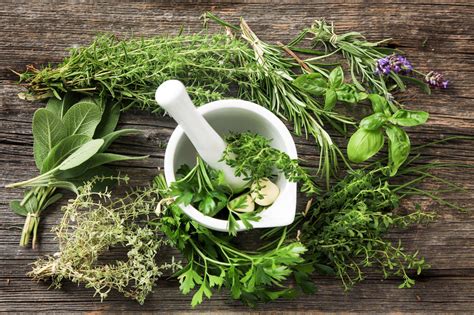
Infusing herbs into oil or making pestos are fantastic ways to preserve their essence, which can then be drizzled as a garnish or incorporated into dressings and sauces. This works well for basil, parsley, cilantro, and mint.
- Herb Oil: Blend herbs with a neutral oil (like olive oil or grapeseed) until smooth. Strain for a clear oil or keep the pulp for a more robust flavor. Store in an airtight container in the refrigerator. Use within a week or two, or freeze for longer storage.
- Pesto: Combine herbs, nuts, garlic, cheese, and olive oil. Store in an airtight container in the refrigerator, with a thin layer of olive oil on top to prevent browning.

Reviving Wilting Herbs: A Quick Fix
If your herbs look a little sad but aren’t yet slimy or discolored, there’s a chance to revive them for that last-minute garnish.
Submerge the entire bunch of herbs (leaves and stems) in a bowl of ice water for about 15-30 minutes. The cold water will help rehydrate the cells, often bringing back some crispness and vibrancy. Pat them thoroughly dry before use.

Conclusion
With a little care and the right storage techniques, you can significantly extend the life and visual appeal of your fresh herbs. From the simple water glass method to more advanced freezing techniques, these strategies ensure that your garnishes remain as vibrant and inviting as the dishes they adorn. Embrace these tips and elevate your culinary presentations with the lasting beauty of fresh herbs.