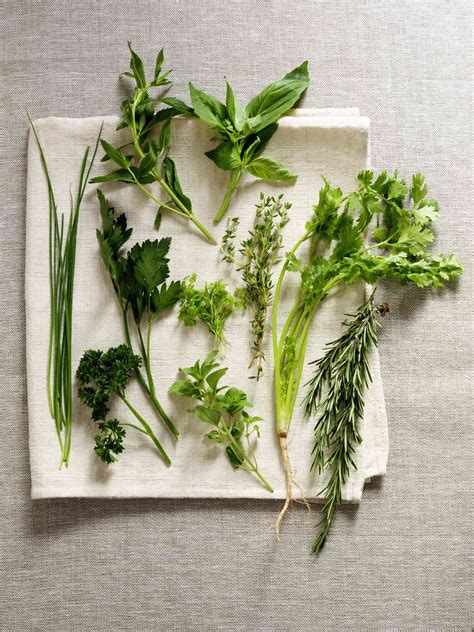





How do real foodies keep fresh herbs vibrant & flavorful for longer?

There’s nothing quite like the burst of fresh flavor that herbs bring to a dish. Whether it’s the bright notes of cilantro in a taco, the aromatic lift of basil on pasta, or the earthy warmth of rosemary with roasted vegetables, fresh herbs are culinary game-changers. But for many home cooks, the joy quickly fades as those vibrant sprigs wilt and lose their potency within days of purchase. Real foodies, however, have mastered the art of preserving these green treasures, ensuring they stay vibrant and flavorful for significantly longer. Let’s delve into their secrets.
Understanding the Enemy: What Makes Herbs Wilt?
The primary culprits behind prematurely wilting herbs are moisture imbalance, exposure to air, and improper temperature. Too much moisture encourages rot, while too little leads to dehydration. Oxygen causes oxidation, diminishing flavor and color. Different herbs also have varying needs, which is why a one-size-fits-all approach often fails.

Method 1: The Water Bath Technique (for Soft, Tender Herbs)
This classic method is perfect for delicate, soft-stemmed herbs like parsley, cilantro, basil, mint, dill, and chives. It mimics a bouquet of flowers in a vase.
How to Do It:
- Trim Stems: Snip about an inch off the bottom of the stems.
- Hydrate: Place the trimmed herbs upright in a glass or jar filled with an inch or two of fresh water, just enough to cover the stem ends.
- Cover Loosely: For most soft herbs (except basil, which prefers room temperature and no cover), loosely cover the top with a plastic bag or damp paper towel to create a mini-greenhouse effect and prevent dehydration.
- Refrigerate (Most Herbs): Store the jar in the refrigerator. Change the water every 1-2 days to keep it fresh and prevent bacterial growth.
- Basil Exception: Basil is sensitive to cold. Keep it on the counter away from direct sunlight, changing the water daily.
This method can keep herbs fresh for up to two weeks or even longer.
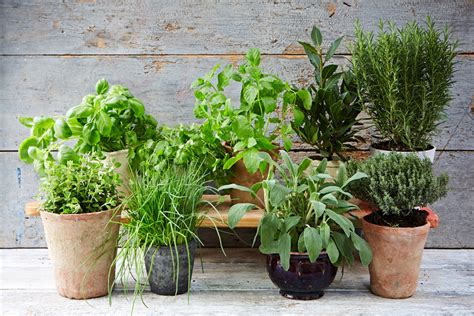
Method 2: The Damp Paper Towel & Airtight Container (for Sturdier Herbs)
Heartier, woodier herbs like rosemary, thyme, oregano, marjoram, sage, and chives benefit from a different approach that minimizes moisture and maximizes protection from air.
How to Do It:
- Gently Wash & Dry: If needed, gently wash the herbs under cool water, then crucial step: thoroughly dry them using a salad spinner or by patting them very dry with paper towels. Any excess moisture will lead to spoilage.
- Wrap: Lay the dried herbs flat on a slightly damp (not wet) paper towel. Roll them up snugly.
- Store Airtightly: Place the wrapped bundle into a resealable plastic bag or an airtight container.
- Refrigerate: Store in the crisper drawer of your refrigerator.
This technique can keep sturdy herbs fresh for 2-3 weeks.
Method 3: Freezing for Long-Term Flavor
When you have an abundance of herbs or want to store them for months, freezing is an excellent option. This works well for most herbs, especially those you’ll cook with.
How to Do It:
- Chop and Cube: Finely chop your herbs. Pack them into ice cube trays.
- Add Liquid: Pour olive oil or melted butter over the chopped herbs until they are submerged. For herbs destined for smoothies or teas (like mint), water is fine.
- Freeze Solid: Freeze until the cubes are solid.
- Transfer: Once frozen, pop the herb cubes out and transfer them to a freezer-safe bag or container.
These frozen herb cubes are perfect for tossing directly into soups, stews, sauces, or sautéing, and they can last for up to six months.

Method 4: Drying Herbs (Traditional Preservation)
Drying herbs concentrates their flavors and allows for very long-term storage. While some flavor is lost compared to fresh or frozen, dried herbs are incredibly convenient.
How to Do It:
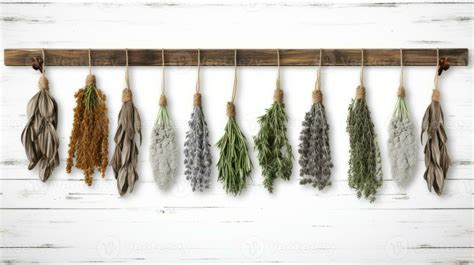
- Air Drying: Bundle small bunches of woody herbs (rosemary, thyme, oregano, sage) together, tie them with twine, and hang them upside down in a warm, dry, well-ventilated area away from direct sunlight. They’ll be dry in 1-3 weeks.
- Dehydrator: For quicker drying or for more delicate herbs, a food dehydrator works wonders. Follow your dehydrator’s instructions for temperature and time.
Once completely dry and brittle, strip the leaves from the stems and store them whole or lightly crushed in airtight containers away from light and heat. They can last for a year or more.
Key Tips for Herb Longevity:
- Pre-Wash Carefully: Only wash herbs right before storage if necessary, and ensure they are completely dry before using the damp paper towel or freezing methods.
- Check Regularly: Inspect your stored herbs every few days. Remove any leaves that show signs of wilting or spoilage to prevent it from spreading.
- Know Your Herb: Remember that basil likes warmth, while most other herbs prefer the cold. Soft herbs like water, sturdy herbs prefer dryness.
- Don’t Crowd: Ensure good airflow around herbs stored in water, and don’t overpack containers.
By implementing these smart storage strategies, you’ll drastically reduce food waste and always have fresh, flavorful herbs on hand to elevate your culinary creations. Happy cooking!