



How to optimize “Visual Bites” for mobile, boosting foodie engagement & recipe clicks?
The Mobile-First Imperative for Food Content Creators
In today’s fast-paced digital landscape, the mobile phone isn’t just a communication device; it’s the primary window through which millions discover, consume, and share food content. For food bloggers, chefs, and brands, mastering the art of the ‘Visual Bite’ – short, impactful, and mouth-watering visual content – for mobile is no longer optional. It’s the key to unlocking higher engagement, converting casual browsers into loyal followers, and ultimately, driving those crucial recipe clicks. If your visual content isn’t optimized for the smallest screen, you’re missing out on a colossal slice of the pie.
Mobile users have unique behaviors: they scroll fast, have limited attention spans, and expect instant gratification. Your ‘Visual Bites’ must therefore be designed to stop the scroll, deliver immediate value, and seamlessly guide them to the next step, whether that’s saving a recipe, sharing a post, or clicking through to your full blog.
Capture Attention Instantly
The first second is paramount. Your visual must be arresting. For images, this means high-resolution, perfectly lit shots that emphasize texture and color. Think close-ups of gooey cheese, vibrant salads, or sizzling meats. For videos, the first 1-3 seconds must convey the essence of the dish, whether it’s a quick cooking hack, a plating reveal, or a satisfying ASMR soundbite.
- High-Quality Visuals: No blurry photos or shaky videos. Invest in good lighting and basic editing skills.
- Strong Hooks: Use intriguing captions or dynamic video intros that promise value or delight.
- Vertical Video First: Design your video content specifically for vertical viewing (9:16 aspect ratio) as this fills the mobile screen and provides a more immersive experience.

Optimize for Speed and Performance
Mobile users have zero tolerance for slow-loading content. A beautiful image or video is useless if it takes too long to appear. Page speed directly impacts engagement and bounce rates.
- Image Compression: Use tools to compress images without significant loss of quality. WebP is an excellent format for this.
- Video Optimization: Compress videos, choose efficient codecs, and consider adaptive streaming. Keep video file sizes small, especially for short-form content.
- Lazy Loading: Implement lazy loading for images and videos, so content only loads as the user scrolls into view.
Streamline the User Experience (UX)
Beyond captivating visuals, the journey from ‘Visual Bite’ to recipe click must be frictionless. Clutter, confusing navigation, or tiny buttons are engagement killers.
- Clear Calls to Action (CTAs): Make it explicitly clear what you want users to do. Use phrases like “Tap for Recipe,” “Link in Bio,” or “Swipe Up to Cook.”
- Large, Tappable Elements: Buttons and links should be large enough for a thumb to easily tap without error.
- Minimalist Design: Avoid excessive text overlays or busy backgrounds that distract from the food itself and the CTA.

Leverage Micro-Content Formats
Platforms like Instagram Reels, TikTok, YouTube Shorts, and Pinterest Idea Pins thrive on short, digestible, and engaging content tailored for mobile consumption.
- Recipe Demos: Short, sped-up videos showing key steps of a recipe.
- Ingredient Spotlights: Quick visuals highlighting fresh produce or unique ingredients.
- Plating Tutorials: A satisfying visual of a dish coming together.
- Behind-the-Scenes: A peek into your kitchen or creative process.
Make Recipes Clickable & Accessible
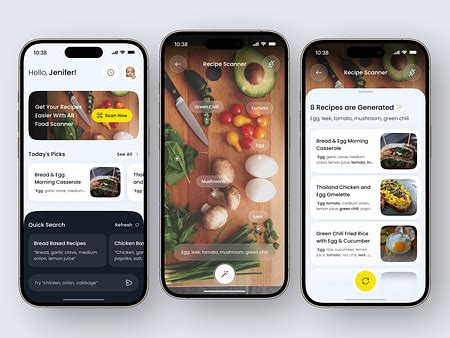
The ultimate goal is to convert that visual interest into a recipe click. Ensure the path is direct and easy.
- Direct Links: Wherever possible, use direct links to your recipes within the platform (e.g., Instagram Story ‘Swipe Up’, TikTok bio link, Pinterest links).
- Embedded Recipes: For your own website or blog, ensure your recipe cards are mobile-responsive and easy to read.
- Clear Navigation: If linking to your website, ensure your site’s navigation is intuitive on mobile, making it easy for users to find what they’re looking for beyond the initial recipe.
Technical Considerations for “Visual Bites”
While creativity is crucial, the technical backbone ensures your ‘Visual Bites’ perform. Responsive design is foundational. Your website and embedded content must adapt flawlessly to any screen size. Use flexible grids and fluid images that scale automatically. Consider using structured data markup (Schema.org) for recipes to improve search engine visibility, making your ‘Visual Bites’ more discoverable through search.
When producing video, pay attention to resolution (1080p is a good standard for mobile), bit rates, and audio quality. Even if the ‘Visual Bite’ is short, clear audio enhances the experience. Regularly audit your mobile performance using tools like Google PageSpeed Insights to identify and rectify bottlenecks.
Conclusion: Your Recipe for Mobile Success
Optimizing ‘Visual Bites’ for mobile is a multifaceted endeavor that combines compelling visuals, technical efficiency, and user-centric design. By focusing on instant engagement, rapid loading, seamless navigation, and strategic CTAs, food creators can transform passive scrolling into active participation. Embrace the mobile-first mindset, experiment with various micro-content formats, and always strive to make the journey from visual delight to recipe discovery as effortless as possible. Your audience is hungry, and their phones are waiting.