




How do you visually scout authentic local food gems, not tourist traps?

The Quest for Genuine Flavors
Venturing into a new city or country presents an exhilarating culinary challenge: how do you bypass the predictable tourist traps and unearth the truly authentic, mouth-watering local food experiences? It’s a skill that elevates your travel from mere sightseeing to deep cultural immersion. While online reviews offer a starting point, nothing beats the power of keen observation and visual scouting when you’re on the ground.
This guide will equip you with the visual cues and strategic approaches needed to confidently identify those hidden gems frequented by locals, ensuring your taste buds embark on a genuine adventure.
Observe the Patrons: The Golden Rule
The single most telling sign of an authentic local eatery is its clientele. If a restaurant is bustling primarily with locals – families, business people on their lunch break, or elderly residents enjoying a meal – you’re likely onto a winner. Tourist traps, conversely, often feature an almost exclusively foreign crowd, sometimes with staff actively trying to lure passersby in multiple languages. Look for places where the conversation is in the local tongue, and the atmosphere feels genuinely rooted in the community.
Pay attention to the time of day. Are locals eating there during their typical meal hours? A restaurant packed at 7 PM in a country where dinner usually starts at 9 PM is a strong indicator it caters to tourists on a different schedule.
The Menu and Signage: Deciphering Authenticity
An authentic local spot often boasts a menu that is either exclusively in the local language or has a less prominent, perhaps hand-written, translation. If the menu is laminated, oversized, features glossy photos of every dish, and is available in six languages prominently displayed outside, that’s a classic red flag. Local establishments trust their food to speak for itself, relying on word-of-mouth and repeat customers rather than aggressive visual merchandising.
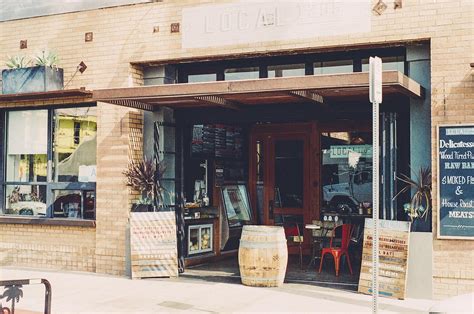
Beyond the menu, look at the overall signage. Does it feel integrated into the local streetscape, perhaps a bit worn or understated? Or is it brightly lit, overly flashy, and designed to grab attention from afar?
Ambience and Aesthetic: Beyond Polished Façades
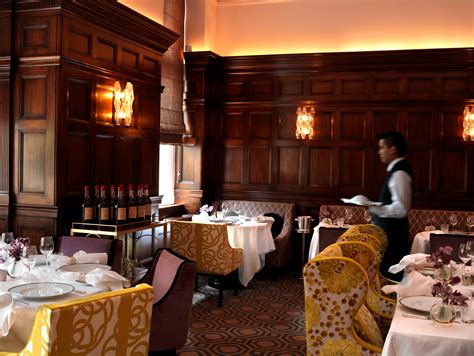
Don’t be swayed by gleaming interiors or overly polished aesthetics. Many of the best local food spots are unpretentious, even a little rough around the edges. Chipped paint, mismatched chairs, or a bustling, slightly chaotic kitchen view can often be indicators of a place focused on food quality over fancy décor. Authenticity often thrives in simplicity.
Consider the table settings. Are they practical and basic, or are there elaborate tablecloths and intricate silverware that seem out of place for a casual local eatery? Also, observe the pace of service. Authentic spots might have a slower, more relaxed rhythm, reflecting local customs, rather than the hurried, efficient service often found in high-turnover tourist places.

The Kitchen and Ingredients: A Glimpse Behind the Scenes
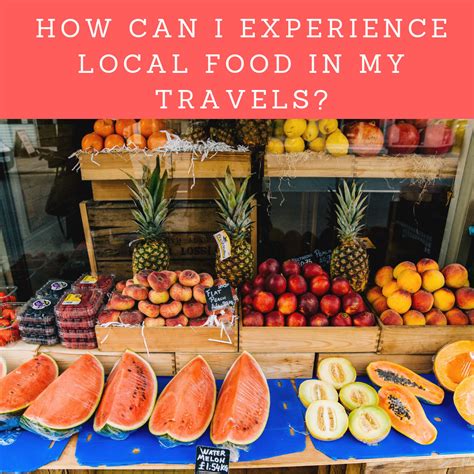
If you can catch a glimpse into the kitchen (safely and discreetly, of course), observe the activity. Is it a hive of focused culinary effort? Do you see fresh, local ingredients being prepared? Open kitchens or street food stalls where you can watch the entire cooking process are often fantastic indicators of freshness and transparency. Similarly, places that display their raw ingredients proudly – fresh fish on ice, vibrant vegetables – are usually confident in their offerings.

Listen and Smell: Engaging All Your Senses
Beyond sight, engage your other senses. What are the predominant smells emanating from the establishment? Is it the inviting aroma of spices, herbs, and freshly cooked food, or a generic, less distinct food smell? Listen to the sounds – the clatter of pots and pans, the hum of local conversations, the sizzle of cooking. These auditory and olfactory cues can provide powerful insights into the authenticity of a place, often even before you step inside.
Ultimately, while these visual cues provide a strong framework, trust your instincts. If a place feels right, and it aligns with several of these indicators, chances are you’ve found yourself a true local culinary gem. Happy scouting!