




Best hacks for vibrant, fresh herb storage for plating perfection?

Elevate Your Culinary Creations: The Art of Herb Preservation
Fresh herbs are the soul of many dishes, not just for their aromatic flavors but also for their vibrant colors that bring plating perfection. A wilting sprig of basil or dull parsley can detract from even the most meticulously prepared meal. Mastering the art of herb storage is crucial for any home cook looking to consistently deliver visually stunning and delicious results. Forget limp leaves and wasted bundles – with a few simple techniques, you can extend the life of your fresh herbs, ensuring they’re always ready to shine on your plate.

Understanding Your Herbs: Tender vs. Hardy
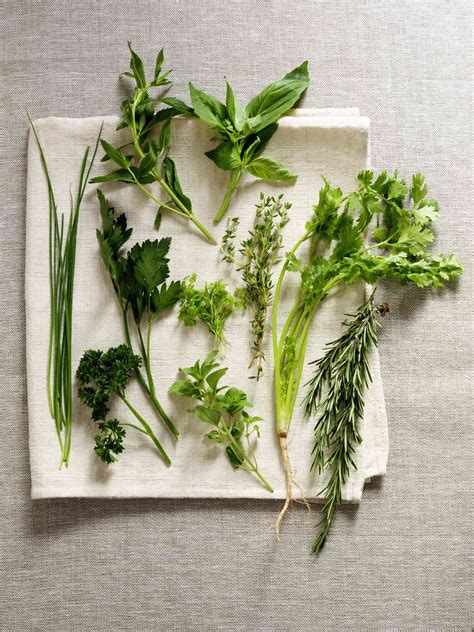
Not all herbs are created equal when it comes to storage. Recognizing the difference between tender and hardy herbs is the first step to proper preservation. Tender herbs – like parsley, cilantro, basil, mint, and dill – have soft stems and delicate leaves. Hardy herbs, conversely, include rosemary, thyme, oregano, and sage, characterized by woodier stems and more robust leaves.
Tender Herb Hacks: The Bouquet Method
For most tender herbs, the “bouquet” method works wonders. Trim the bottom of the stems, much like you would a bunch of flowers. Place the herbs upright in a glass jar or vase with about an inch of water. Cover the leaves loosely with a plastic bag (a produce bag works perfectly) and refrigerate. Change the water every day or two. Basil, however, is an exception; it prefers room temperature away from direct sunlight, but still benefits from the water method. This technique keeps them hydrated and vibrant for up to a week, sometimes longer.
Hardy Herb Hacks: The Damp Paper Towel Roll
Hardy herbs thrive in a slightly different environment. After trimming their stems, lightly dampen a paper towel. Wrap the herbs snugly in the damp paper towel, then place the wrapped bundle inside a resealable plastic bag or an airtight container. Store them in the refrigerator. This method prevents them from drying out too quickly while also guarding against excessive moisture which can lead to mold. Hardy herbs stored this way can remain fresh for two to three weeks.

Beyond Refrigeration: Freezing for Long-Term Freshness
When you have an abundance of herbs or want to preserve their peak freshness for an extended period, freezing is an excellent option. For most herbs, simply chop them finely and pack them into ice cube trays. You can then cover them with olive oil, melted butter, or even just water. Once frozen solid, transfer the herb cubes to a freezer-safe bag or container. These frozen herb blocks are perfect for dropping directly into soups, stews, sauces, or roasts, instantly infusing your dishes with garden-fresh flavor. This method is particularly effective for basil, oregano, parsley, and cilantro.

General Tips for Maximum Herb Longevity
- Do Not Wash Until Use: Washing herbs before storage introduces excess moisture, which can accelerate spoilage. Wait until you’re ready to cook with them.
- Inspect and Remove Blemishes: Before storing, remove any bruised, discolored, or wilting leaves to prevent them from affecting the rest of the bunch.
- Ensure Proper Air Circulation: When using bags, don’t seal them completely unless specifically recommended (like the hardy herb method). A little airflow can prevent condensation and mold.
- Avoid Crowding: Give your herbs space. Overcrowding in a container or jar can lead to bruising and reduced shelf life.
Plating Perfection Starts with Freshness
By implementing these simple yet effective herb storage hacks, you’ll dramatically extend the life of your fresh herbs. No longer will you dread finding a slimy bunch in your fridge or settling for dried alternatives. With vibrant, aromatic herbs always at your fingertips, you can consistently achieve that professional touch in your plating, adding a burst of color and a final flourish of flavor to every meal. Invest a few minutes in proper storage, and reap the delicious, beautiful rewards.