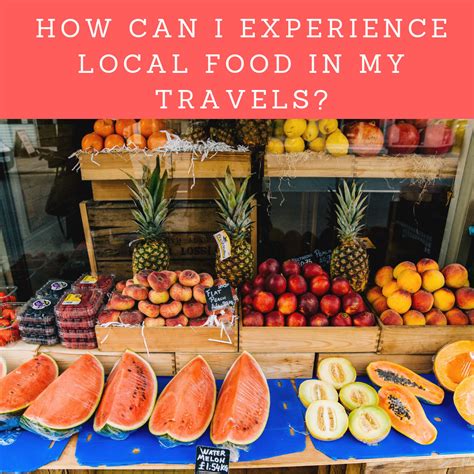





What visual cues help find authentic local food experiences, not tourist traps?

The Quest for Genuine Flavors
Venturing into a new city or country, the desire for an authentic culinary experience is often paramount. We dream of savoring dishes that tell a story, prepared with local ingredients and cherished traditions. However, navigating the bustling streets can often lead travelers into cleverly disguised tourist traps—places that promise local charm but deliver generic, overpriced fare. The good news is that with a keen eye and a bit of insight, you can learn to spot the real deal.
Look for Local Patrons, Not Just Tourists
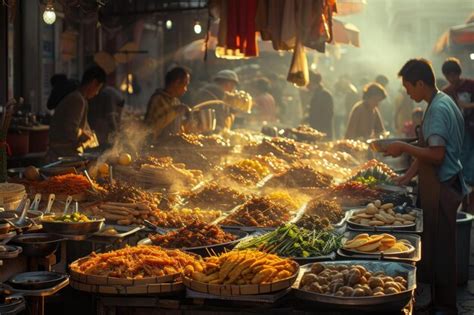
Perhaps the most telling visual cue is the clientele. A restaurant packed with locals during peak meal times is almost always a positive indicator. Observe not just the quantity, but also their demeanor. Are they engaged in lively conversation, seemingly regulars? Tourists, often identifiable by cameras, guidebooks, and a certain hesitancy, are less reliable indicators of authenticity. If a place is devoid of locals or heavily skewed towards foreigners, proceed with caution.
The Menu: A Window to Authenticity
Examine the menu carefully. Authentic local eateries often feature:
- Single Language or Bilingual (Local First): Menus primarily in the local language, with perhaps a smaller English translation or none at all, suggest a focus on the local demographic. Tourist traps often have multi-language menus with glossy photos and flags from various countries.
- Specific & Seasonal Dishes: Look for dishes that highlight regional ingredients or seasonal produce. Hand-written specials or daily changes are excellent signs. A vast, generic menu offering “pizza,” “burgers,” and “pasta” alongside a few local dishes is a red flag, suggesting they’re trying to cater to every possible palate rather than specializing.
- Lack of Aggressive Touting: Places that genuinely serve great local food rarely need to employ aggressive touts or barkers trying to pull people in from the street. Their reputation often speaks for itself.

Ambiance and Location: Beyond the Facade
The overall feel of a place can reveal much. Authentic local spots might not always be the prettiest or most polished. Look for:
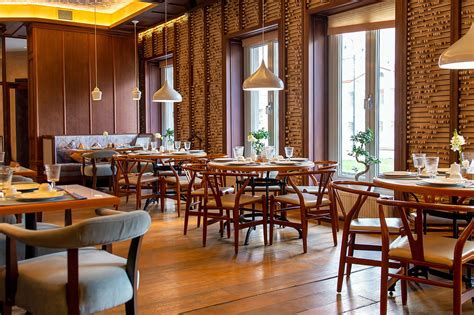
- Worn Charm, Not Gimmicky Decor: A bit of wear and tear, mismatched furniture, or a utilitarian setup can be signs of a place that prioritizes food over aesthetics designed solely to attract tourists. Avoid places with overly themed, generic “cultural” decor that feels manufactured.
- Off the Beaten Path: While not a hard-and-fast rule, many truly local gems are tucked away on side streets, in residential neighborhoods, or within bustling local markets, away from the main tourist thoroughfares. If it’s right on a major landmark square, it’s more likely to be a tourist-oriented establishment.
Food Preparation and Display
Transparency in food preparation can be a strong indicator. If you can see into the kitchen, or if the food is prepared fresh in front of you (like street food vendors or certain types of delis), it often signals quality and authenticity. Observe the freshness of ingredients on display—vibrant vegetables, fresh seafood, and clearly well-maintained cooking stations are good signs. Unappetizing, pre-made dishes sitting under heat lamps for extended periods should make you wary.
The Red Flags to Avoid
To summarize, be cautious if you observe:
- Overly aggressive touts outside trying to pull you in.
- Large, glossy menus with pictures of every dish and many different languages.
- “International” cuisine alongside a token few local dishes.
- A prime location directly next to a major tourist attraction, with prices that seem disproportionately high.
- Generic, overly polished decor that lacks unique character.
Embrace the Adventure
Finding authentic local food is part of the travel adventure. It requires curiosity, observation, and sometimes a willingness to step outside your comfort zone. By learning to decipher these visual cues, you can significantly increase your chances of discovering genuine culinary treasures, creating unforgettable dining experiences that truly connect you with the local culture. Trust your instincts, look where the locals eat, and prepare to be delighted.