




Quick tips for elegant plating to make your homemade dishes visually stunning?
While taste is paramount, the visual appeal of a dish can significantly enhance the dining experience. Transforming your homemade meals into visually stunning creations isn’t just for chefs; it’s an accessible art that can elevate any meal. With a few simple techniques, you can turn a good meal into a memorable one.
The Fundamentals of Food Presentation
Plating is essentially storytelling with food. It’s about arranging ingredients in a way that is not only appetizing but also harmonious and appealing to the eye. The goal is to create balance, inviting diners to savor every element even before the first bite.
Consider the ‘Rule of Thirds’ often used in photography: imagine your plate divided into nine equal sections by two horizontal and two vertical lines. Place key elements at the intersections or along these lines to create visual interest and dynamic balance. This prevents your plate from looking cluttered or sparse.
![Free Printable Balanced Scorecard Templates [Excel, Word, PDF] Examples](/images/aHR0cHM6Ly90czIubW0uYmluZy5uZXQvdGg/aWQ9T0lQLldERHpyVDlubE9IMGJHRlFiZGpObGdIYUVLJnBpZD0xNS4x.webp)
Color and Texture Contrast: A plate with varying colors and textures is inherently more appealing. Think about contrasting a creamy purée with crispy roasted vegetables, or a vibrant sauce against a rich protein. Use fresh herbs or colorful spices to add pops of color that awaken the senses.
Masterful Arrangement Techniques
Adding height and dimension to your dishes can instantly make them look more professional. Instead of spreading everything flat, consider stacking elements or leaning them against each other. For instance, build a tower with a grain, then layer protein and vegetables on top, creating a sculptural effect.
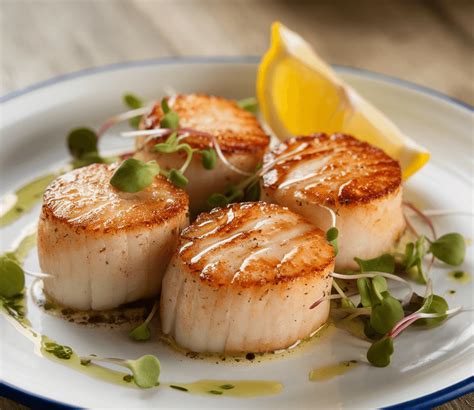
When arranging multiple small items, like roasted potatoes or shrimp, aim for odd numbers (three, five, seven) rather than even numbers. Odd numbers often feel more organic and less rigid, creating a more sophisticated and natural presentation on the plate.
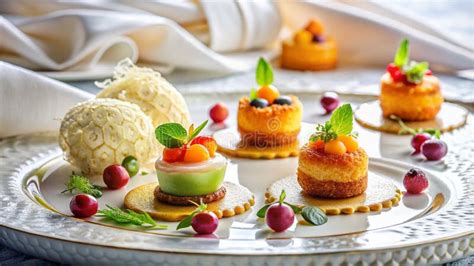
Strategic Saucing: Sauce is not just for flavor; it’s a vital component of presentation. Instead of drowning your food, apply sauces thoughtfully. You can create a graceful swirl on the plate, drizzle it over the main component, or serve it in a small ramekin on the side for diners to add themselves. A squeeze bottle can be your best friend for precise application.
The Importance of the Canvas and Details
The plate itself is your canvas, so choose wisely. White or neutral-colored plates are often preferred as they allow the food’s colors to stand out. Consider the shape of your plate – round, square, or rectangular – and how it complements the dish you’re serving. Don’t be afraid to use larger plates; more negative space can make a dish look more elegant and less crowded.
Before serving, always give your plate a final once-over. Use a clean cloth or a paper towel to wipe away any drips, smudges, or stray food particles from the rim of the plate. A clean rim is a non-negotiable for an elegant presentation, signaling attention to detail and care.

Finishing Touches and Garnishes
Garnishes are not just an afterthought; they are the final flourish that can tie your entire dish together. Choose garnishes that are relevant to the dish’s flavor profile and add complementary color, texture, or aroma. Think beyond a simple parsley sprig.
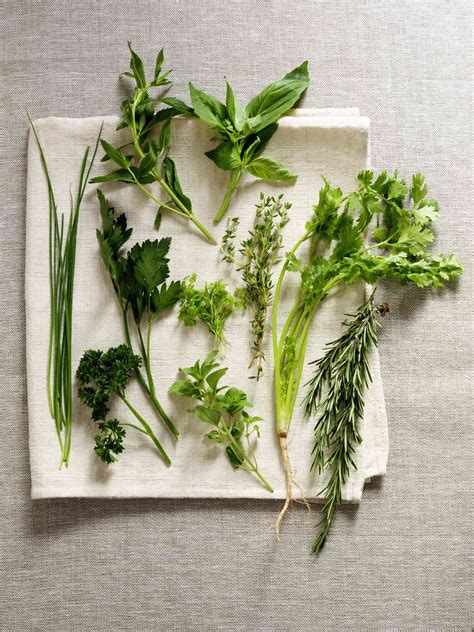
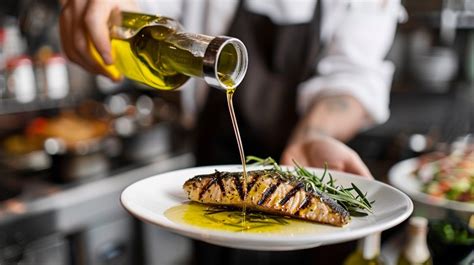
Microgreens, fresh herbs like dill or chives, a sprinkle of toasted nuts, a delicate edible flower, or a dash of high-quality finishing oil can provide that professional touch. Place garnishes purposefully, perhaps echoing the shape of a main ingredient or highlighting a particular color on the plate.
Mastering elegant plating is a journey, not a destination. Start by implementing one or two tips, observe the results, and gradually incorporate more techniques. With practice, you’ll develop an eye for what looks good, transforming your homemade meals into delightful visual feasts that impress both family and guests.