



What practical Visual Bite techniques maximize foodie recipe click-through?
The Irresistible Allure: Crafting Clickable Food Visuals
In the bustling digital culinary landscape, a recipe’s first impression is often its last. For foodies scrolling through endless feeds, a captivating ‘visual bite’ is the magnetic force that compels them to stop, click, and explore. It’s not just about a pretty picture; it’s about strategic visual communication designed to ignite cravings and promise a delightful cooking experience. Mastering practical visual bite techniques can significantly boost your recipe click-through rates, turning casual browsers into engaged followers.
So, what are these techniques that transform a simple food photo into a click-worthy masterpiece?
Mastering Light: The Golden Rule of Food Photography
Light is the single most crucial element in food photography. Natural light, specifically diffused natural light, is your best friend. Position your food near a window, but avoid direct sunlight which creates harsh shadows and blown-out highlights. Use a diffuser (like a sheer curtain or a professional diffuser) or bounce cards (white foam boards) to soften the light and fill in shadows, creating a soft, inviting glow that makes food look fresh and appealing.
Experiment with light direction: side-lighting often highlights texture beautifully, while back-lighting can make liquids shimmer and add a dramatic halo effect to dishes. Learning to manipulate light effectively will instantly elevate the professionalism and attractiveness of your food visuals, making them inherently more clickable.
Strategic Composition and Angles for Maximum Impact
How you frame your dish can drastically influence its appeal. The ‘rule of thirds’ is a classic for a reason: imagine a tic-tac-toe grid over your image and place key elements along the lines or at their intersections. This creates a more dynamic and engaging shot than simply centering everything.
Consider your angle. An overhead (flat lay) shot works wonderfully for showcasing ingredients, toppings, or a spread of dishes. A 45-degree angle often mimics how we see food at a table, making it relatable. A straight-on or close-up shot can emphasize texture, height, and specific details that make the food look utterly delicious. Don’t be afraid to leave some negative space; it can help the main subject stand out.
The Art of Minimalist and Thoughtful Styling
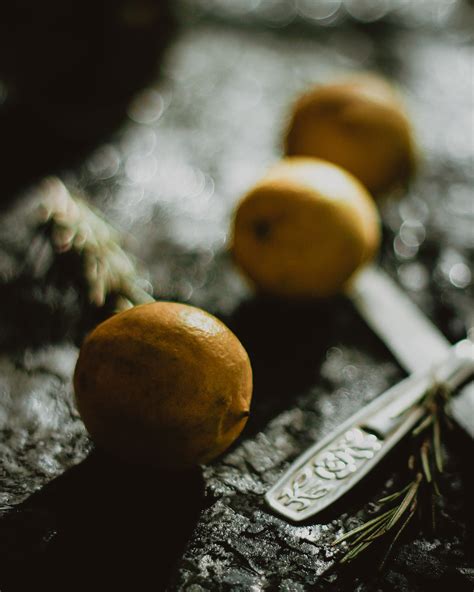
Props and styling should enhance, not distract, from the food. Think context and storytelling. A rustic wooden board for a bread recipe, a vintage fork for a dessert, or a linen napkin for a breakfast bowl can add character and a sense of atmosphere. However, less is often more. Over-cluttering your frame can confuse the viewer and detract from the dish itself.
Focus on texture and color contrast with your props. A monochromatic dish can pop against a contrasting background or with a bright garnish. Ensure props are clean, relevant to the dish, and subtly support the main subject, guiding the viewer’s eye directly to the delicious food.
Vibrant Colors and Freshness: The Appetizing Advantage
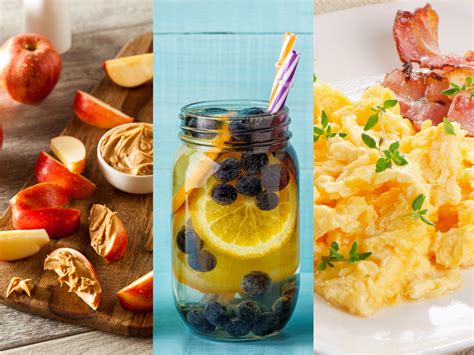
People eat with their eyes first, and vibrant, fresh-looking ingredients are inherently more appealing. Ensure your produce is at its peak, your garnishes are crisp, and sauces are gleaming. A sprinkle of fresh herbs, a zest of citrus, or a drizzle of olive oil just before shooting can add an incredible pop of freshness and visual interest.
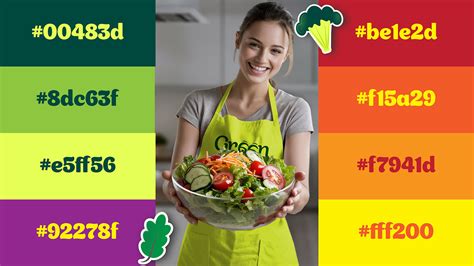
Pay attention to the color palette of your dish. Complementary colors can make an image sing, while too many clashing hues can be overwhelming. Post-processing can subtly enhance colors, but start with the freshest ingredients possible to capture their natural vibrancy. The promise of fresh, wholesome ingredients instantly elevates perceived deliciousness.
Action and Authenticity: Inviting Interaction
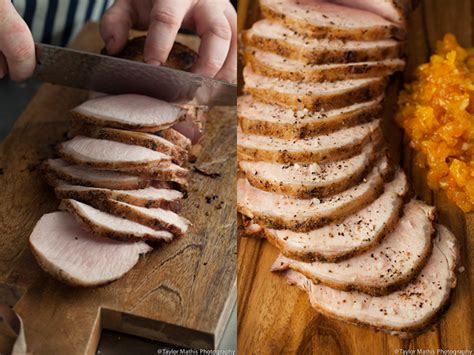
Beyond static shots, incorporating a sense of action or authenticity can make your visuals incredibly engaging. A hand reaching for a piece of bread, a sprinkle of salt falling, a drizzle of syrup, or steam rising from a hot dish can tell a story and invite the viewer into the moment. These ‘action shots’ add a dynamic element that static photos often lack, making the food feel more real and approachable.
Embrace a bit of ‘imperfect perfection.’ A crumb here, a slight smear there, or a perfectly placed piece of mess can make the food feel more attainable and less sterile, fostering a sense of warmth and authenticity that resonates with home cooks. This genuine feel encourages connection and, ultimately, click-through.
The Final Polish: Smart Post-Production
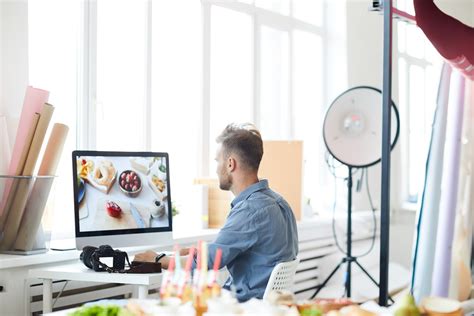
While the goal is to get it right in camera, a touch of post-production can refine your visual bites. Adjusting brightness, contrast, and saturation can make colors pop and textures sharper. Cropping can refine composition, and minor spot removal can clean up distractions. The key is to enhance, not overhaul. Aim for a consistent visual style across your recipe content to build brand recognition and a cohesive feed that foodies will love to follow.
Conclusion: Beyond the Plate, Into the Click
Maximizing foodie recipe click-through is an art form rooted in understanding visual psychology. By meticulously employing techniques in lighting, composition, styling, color vibrancy, and dynamic storytelling, you transform a mere image into an enticing invitation. Each visual bite you create should not just showcase food, but evoke an experience, a desire, and a promise of culinary delight that’s just a click away. Invest in these practical techniques, and watch your click-through rates, and your audience engagement, soar.