



What ingredient prep methods preserve vibrant colors for plating?
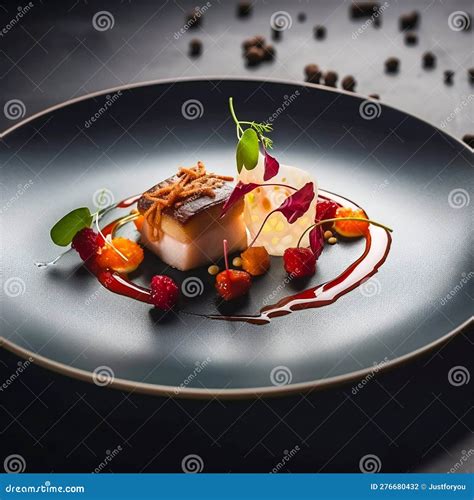
In the culinary world, presentation is almost as important as taste. Vibrant colors on a plate entice the eyes, stimulate appetite, and elevate a simple meal into an artful experience. However, retaining the natural brilliance of ingredients from farm to fork can be a challenge. Heat, oxygen, and improper handling are common culprits that dull those gorgeous hues. Fortunately, with a few clever preparation methods, you can ensure your dishes always pop with color.
Understanding Color Loss
Before diving into preservation techniques, it’s helpful to understand why ingredients lose their color. Chlorophyll, the pigment responsible for green in vegetables, is sensitive to heat and acid, turning a drab olive green when overcooked or exposed to too much acid. Carotenoids, found in reds, oranges, and yellows (like carrots and bell peppers), are more stable but can degrade with excessive heat. Anthocyanins, which give purple and blue hues to berries and red cabbage, are highly sensitive to pH, changing color dramatically from vibrant purple in acidic environments to blue or even green in alkaline conditions.
Blanching and Shocking: The Green Revolution
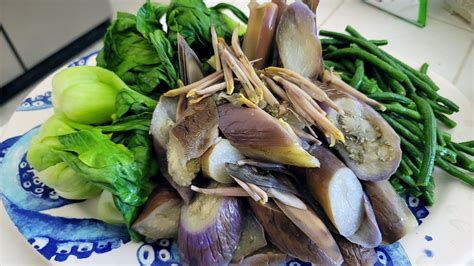
For green vegetables like broccoli, asparagus, spinach, and green beans, blanching followed by an ice bath is the gold standard. Blanching involves briefly plunging vegetables into boiling salted water, which intensifies their green color by driving out air trapped in plant tissues and setting the chlorophyll. The subsequent ice bath immediately halts the cooking process, preventing overcooking and retaining that vivid hue. This method is quick, effective, and works wonders for salads and garnishes.
Acidulation: Brightening Naturally
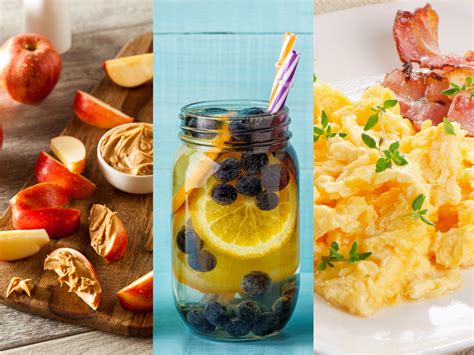
For fruits and vegetables prone to browning (oxidation) like apples, avocados, and potatoes, a quick dip in acidulated water (water with lemon juice or vinegar) can work wonders. The acid slows down the enzymatic browning process, keeping them looking fresh and appealing. For ingredients containing anthocyanins, such as red cabbage or beets, adding a splash of acid (like vinegar or lemon juice) during cooking will help maintain their bright red-purple shades, preventing them from turning blue or dull.
Gentle Heat, Quick Cooking: Minimizing Damage
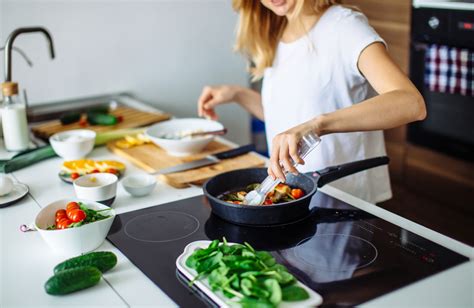
Minimizing cooking time and using gentle heat methods are crucial for color retention across various ingredients. Overcooking is a primary enemy of vibrant colors. Steaming or stir-frying vegetables quickly preserves their crispness and color much better than boiling them for extended periods. For root vegetables like carrots or sweet potatoes, roasting at a moderate temperature until just tender, rather than charred, will bring out their natural sweetness and maintain their orange glow.
Strategic Roasting and Sautéing
While gentle heat is often preferred, roasting and sautéing can still yield beautiful colors when done correctly. For vegetables like bell peppers, zucchini, or cherry tomatoes, quick high-heat sautéing can create a slight caramelization on the exterior while keeping the interior bright and tender. Avoid overcrowding the pan, as this lowers the temperature and leads to steaming rather than searing, resulting in duller colors and textures. A dry pan and adequate space are key for that perfect vibrant char.

Protecting Reds, Oranges, and Yellows
Ingredients rich in carotenoids, like bell peppers, carrots, corn, and tomatoes, are generally more stable to heat. However, prolonged cooking can still lead to a duller appearance. Quick roasting, grilling, or sautéing with minimal oil can enhance their natural sweetness and brightness. For tomatoes, a brief exposure to heat can actually intensify their red color by breaking down cell walls, making their lycopene more available and vibrant.
Preserving Purple and Blue Hues
Ingredients like red cabbage, blueberries, and purple potatoes owe their color to anthocyanins, which are sensitive to pH. When cooking red cabbage, adding a splash of vinegar or lemon juice will keep it a stunning fuchsia. Without it, the cabbage often turns an unappealing blue-grey. For purple potatoes, steaming or quick roasting will help retain their unique hue, but boiling them in plain water can leach out the pigment. Consider using minimal water or acidic cooking liquids.
![[1800+] Colorful Pictures | page 17 | Wallpapers.com](/images/aHR0cHM6Ly90czEubW0uYmluZy5uZXQvdGg/aWQ9T0lQLnd0d2lOQ21WV3d1ak5sX3FucXRGSFFIYUVvJnBpZD0xNS4x.webp)
Proper Storage and Pre-Prep
The journey to vibrant plating begins even before cooking. Proper storage of ingredients is vital. Store delicate greens in airtight containers with a damp paper towel to prevent wilting and oxidative damage. Keep colorful fruits and vegetables cool and dark when possible. When prepping ahead, use the acidulation method for cut produce and store it in airtight containers to limit exposure to oxygen. For herbs, a quick wash and storing upright in a glass of water, covered loosely, can extend their life and vibrancy.
Conclusion: A Feast for the Eyes
Achieving stunning, vibrant colors on your plate is a testament to mindful cooking and attention to detail. By understanding the science behind color degradation and employing simple yet effective techniques like blanching and shocking, acidulation, controlled cooking, and smart storage, you can transform your dishes from merely delicious to visually breathtaking. Remember, a dish that looks good often tastes even better, turning every meal into a feast for both the eyes and the palate.