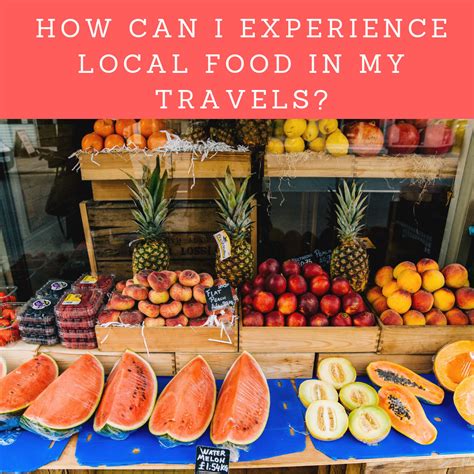




How do real foodies visually capture authentic local street food adventures best?

For the true foodie, a street food adventure is more than just tasting; it’s an immersive cultural experience. Visually capturing these moments goes beyond snapping a quick picture of a dish. It’s about telling a story, preserving the fleeting magic, and conveying the genuine soul of a place through its culinary heart. So, how do real foodies master the art of visually documenting these authentic local street food journeys?
Beyond the Plate: Embracing the Scene and Story
Authentic street food photography isn’t just about the delicious morsel on offer; it’s about the entire ecosystem surrounding it. Real foodies understand that the vendor’s weathered hands, the bustling market backdrop, the sizzle of the grill, and the excited chatter of locals all contribute to the narrative. They look for moments that speak to the dish’s origin and the culture it represents.
- Context is King: Don’t isolate the food. Show it within its environment – on a worn cart, surrounded by fresh ingredients, or being skillfully prepared.
- Capture the Human Element: The people behind the food are crucial. A candid shot of a vendor’s concentration or a customer’s delight adds immense depth and authenticity.
- Embrace the Atmosphere: Street food thrives on energy. Look for details that convey the sounds, smells, and overall vibe of the location, even in a still image.

Mastering Light and Composition for Impact
Light is the painter’s brush for photography. Real foodies know how to leverage natural light to make their street food subjects shine, and they compose their shots thoughtfully to draw the viewer in.
Leveraging Natural Light:
- Soft, Diffused Light: Overcast days or shaded areas provide beautiful, even light that enhances food’s textures and colors without harsh shadows.
- Golden Hour Glow: The hour after sunrise or before sunset casts a warm, inviting glow, perfect for adding mood and depth to your shots.
- Backlighting & Rim Lighting: Use light coming from behind the food to create a beautiful glow around its edges, making it pop. Be careful to expose for the subject, not the background.
Compositional Prowess:
- Rule of Thirds: Place your main subject off-center for a more dynamic and pleasing composition.
- Leading Lines: Utilize natural lines (like the edge of a table or a street path) to guide the viewer’s eye towards the food.
- Depth of Field: Use a shallow depth of field (blurry background) to make your food subject stand out sharply against its surroundings.
- Angles: Experiment! Shoot from directly overhead, eye-level with the dish, or a low angle looking up to find the most compelling perspective.

Engage and Respect: The Foodie’s Ethical Lens
A true foodie’s approach to capturing street food is rooted in respect and genuine curiosity. This isn’t just about getting the perfect shot; it’s about connecting with the culture and its people.
Tips for Ethical Photography:
- Ask Permission: Always ask vendors or locals before taking close-up photos, especially of people. A smile and a polite gesture go a long way.
- Be Discreet: Avoid interrupting the flow of business or making people uncomfortable. Sometimes, the best shots are taken from a slight distance.
- Show Appreciation: Consider buying from the vendor whose food or stall you’re photographing as a sign of gratitude and support.
- Learn Basic Phrases: A simple ‘hello’ and ‘thank you’ in the local language can open doors and create warmth.
The Right Tools for the Job: Gear Considerations
While the best camera is often the one you have with you, real foodies understand how to maximize their equipment, whether it’s a smartphone or a professional DSLR.
- Smartphones: Modern smartphones are incredibly capable. Focus on good lighting, clean lenses, and understanding your phone’s portrait or depth-effect modes. Many have excellent manual controls now too.
- Dedicated Cameras (Mirrorless/DSLR): These offer greater control over aperture, shutter speed, and ISO, allowing for more creative depth of field and better performance in challenging light. A versatile prime lens (e.g., 50mm or 35mm equivalent) is often ideal for food photography due to its sharpness and ability to create beautiful bokeh.
- Compact & Portable: Street food adventures often mean navigating crowded spaces. Choose gear that is light, easy to handle, and won’t hinder your exploration.
- Accessories: A small, portable tripod for stability in low light, or a simple diffuser/reflector to control light, can elevate your shots without adding much bulk.
Post-Processing: Enhancing, Not Fabricating
Editing is the final touch, where a real foodie enhances the authenticity of their capture rather than altering it beyond recognition. The goal is to bring out the vibrancy and detail that was present in the moment.
- Subtle Adjustments: Focus on tweaks like exposure, contrast, white balance, and saturation to make colors pop naturally.
- Cropping & Straightening: Refine your composition and ensure horizons are level.
- Sharpening & Clarity: Use sparingly to bring out textures, especially in the food itself.
- Maintain Realism: Avoid over-saturating colors or applying heavy filters that make the food look artificial. The aim is to present the dish as authentically appetizing as it was in person.
Conclusion
Visually capturing authentic local street food adventures is an art form rooted in passion, observation, and respect. It’s about seeing beyond the dish to the story it tells, mastering the technical aspects of light and composition, engaging respectfully with the culture, and refining your vision with thoughtful editing. By embracing these principles, real foodies don’t just take pictures; they craft visual narratives that transport viewers directly to the bustling streets, allowing them to almost taste the flavors and feel the vibrant pulse of local life.