




Tips for keeping fresh herbs & produce vibrant longer for stunning dishes?

Unlock Peak Flavor: Master the Art of Freshness
There’s nothing quite like the vibrant color and pungent aroma of fresh herbs and produce to elevate a dish from good to gourmet. However, the joy of a bountiful grocery haul can quickly turn to dismay as delicate greens wilt and firm vegetables soften within days. Wasted food means wasted money and missed culinary opportunities. But what if you could significantly extend the life of your fresh ingredients, ensuring they remain vibrant and flavorful for longer? With a few simple, smart storage techniques, you absolutely can!
Mastering the art of preserving freshness not only reduces food waste but also ensures that every meal bursts with the intended flavors and textures. It’s about understanding the unique needs of different ingredients and creating the ideal environment for them to thrive, even after they’ve left the farm.
General Golden Rules for Prolonging Produce Life
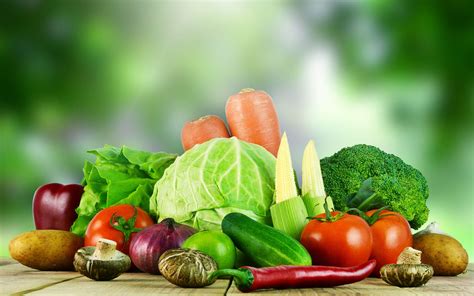
Before diving into specific items, there are a few universal principles that apply to most fresh produce. First and foremost, resist the urge to wash your fruits and vegetables until you’re ready to use them. Moisture is the enemy of freshness, encouraging mold and decay. Always store produce dry.
Secondly, pay attention to ethylene gas. Many fruits, like apples, bananas, and tomatoes, release ethylene gas, which acts as a ripening agent. Storing these “ethylene producers” next to “ethylene sensitive” items (like leafy greens, broccoli, and carrots) can accelerate spoilage of the latter. Keep them separate!
Finally, proper refrigeration is key for many items. Your refrigerator’s crisper drawers are designed to manage humidity, with one typically set for high humidity (for leafy greens) and another for low humidity (for fruits and vegetables that prefer less moisture). Learn which setting works best for your specific produce.
Herb-Specific Storage Secrets
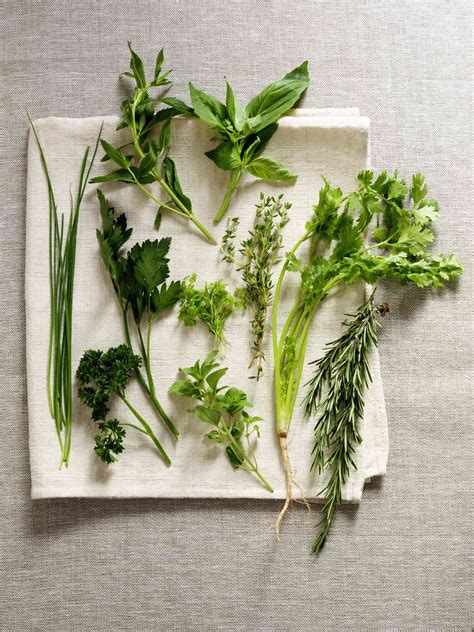
Soft Herbs (Parsley, Cilantro, Basil, Mint)
These delicate herbs are prone to wilting. Treat them like a bouquet of flowers! Trim the bottom of the stems, place them in a glass or jar with about an inch of water, and cover loosely with a plastic bag (for parsley, cilantro, mint) or simply leave basil on the counter (it dislikes cold). Change the water every day or two. This method can keep them fresh for up to a week or even longer.

Hard Herbs (Rosemary, Thyme, Oregano, Sage)
Heartier herbs require a different approach. Wrap them loosely in a slightly damp paper towel, then place them in an airtight container or a resealable plastic bag. Store them in the refrigerator. The damp towel provides just enough moisture to prevent drying out without encouraging rot. They can last for 2-3 weeks this way.

Produce Power-Up: Extending the Life of Your Vegetables & Fruits
Leafy Greens (Lettuce, Spinach, Kale)
The nemesis of leafy greens is excess moisture combined with lack of air. Wash and thoroughly dry your greens (a salad spinner is invaluable here). Then, layer them with paper towels in an airtight container before refrigerating. The paper towels absorb excess moisture, preventing sliminess and wilting. Refresh paper towels if they become too damp.
Berries (Strawberries, Blueberries, Raspberries)
Berries are notoriously delicate. Do not wash them until you’re ready to eat! Store them in their original breathable containers or spread them in a single layer on a paper towel-lined tray in the refrigerator. If you notice any moldy berries, remove them immediately to prevent contamination.
Root Vegetables (Carrots, Beets, Radishes)
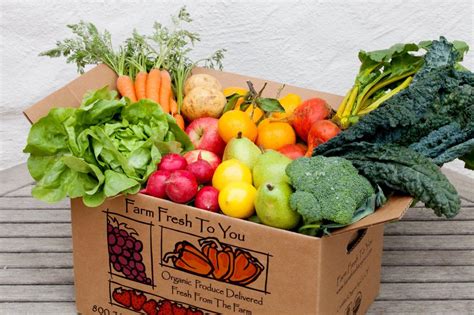
If your root vegetables come with greens attached, remove the greens immediately, as they draw moisture from the roots. Store the root vegetables in the crisper drawer, ideally in an open plastic bag to maintain some humidity without trapping too much. For long-term storage, a cool, dark, and dry pantry works well for potatoes and onions, but keep them separate.
Conclusion: Culinary Brilliance, Less Waste
By implementing these straightforward storage strategies, you’ll not only extend the shelf life of your fresh herbs and produce but also ensure that their peak flavor and nutritional value are preserved for every meal. Imagine less food waste, more vibrant ingredients, and consistently stunning dishes that truly sing. A little knowledge about storage goes a long way in transforming your kitchen and your cooking. Happy preserving!