




Extend fresh herb vibrancy for stunning recipe photos?
The Visual Feast: Why Fresh Herbs Matter in Food Photography
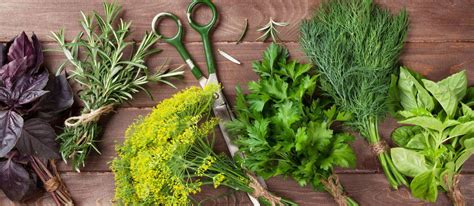
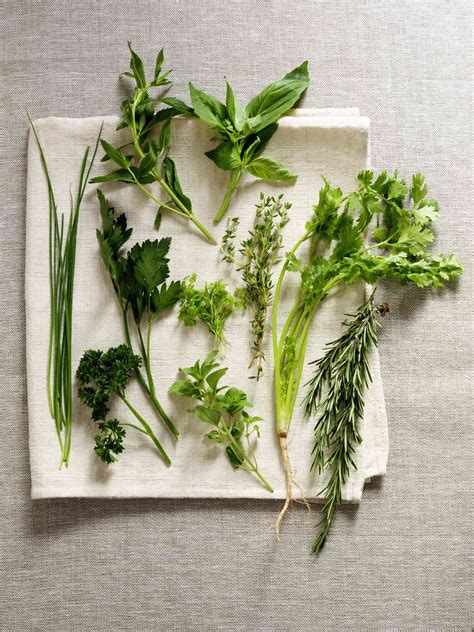
In the world of culinary imagery, presentation is paramount. A dish might taste incredible, but if it doesn’t look appealing, it struggles to capture attention. Fresh herbs are often the unsung heroes of food styling, providing bursts of color, texture, and an undeniable sense of freshness that elevates a photograph from good to gorgeous. Wilting, discolored herbs can instantly detract from an otherwise perfectly crafted dish, making the pursuit of vibrant greenery a crucial step for any food photographer or home cook aiming for professional-grade recipe photos.
Immediate Care: The First Steps to Freshness
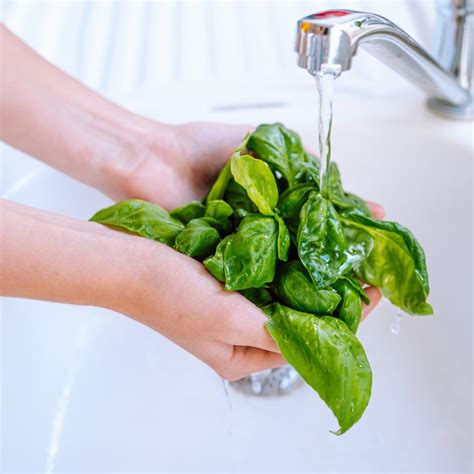
The moment fresh herbs arrive in your kitchen, their clock starts ticking. Proper initial care is key to extending their life. Begin by gently washing them under cool running water to remove any dirt or debris. The most critical step follows: thorough drying. Excess moisture is the enemy of freshness, promoting rot. Use a salad spinner or carefully pat them dry with paper towels until they are almost completely moisture-free. This foundational step prepares them for optimal storage and prevents premature wilting.
Storage Secrets: Keeping Herbs Vibrant Longer
Different herbs thrive under different storage conditions, but a few general principles apply. For many delicate herbs like cilantro, parsley, basil, and mint, treat them like a bouquet of flowers: trim the bottoms of the stems and place them in a glass jar with an inch or two of water, covering loosely with a plastic bag. Change the water daily. Store this setup in the refrigerator (except for basil, which prefers room temperature).
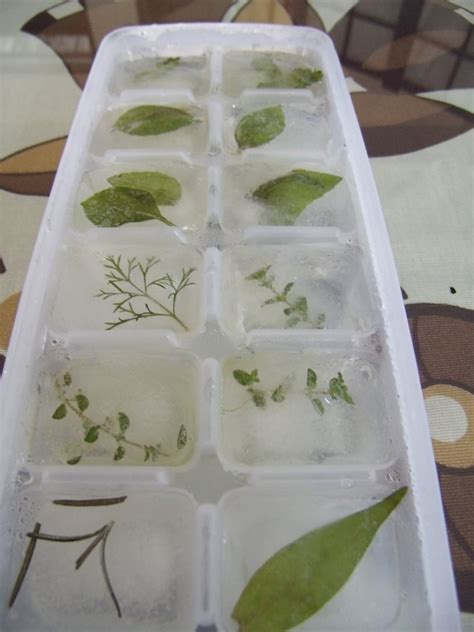
Sturdier herbs like rosemary, thyme, and oregano can be wrapped in a slightly damp paper towel, then placed in an airtight container or a resealable plastic bag. This method creates a humid environment without excessive moisture, preventing them from drying out too quickly. Proper sealing is essential to trap the moisture and protect them from refrigerator odors.

Revitalization & Last-Minute Tricks for Photography
Sometimes, even with the best care, herbs can look a little tired right before a photoshoot. A quick revitalization trick can save the day: plunge slightly wilted herbs into an ice bath for 5-10 minutes. The cold water can help crisp them up again, bringing back some of their lost vibrancy. For photography purposes, timing is crucial. Only add fresh herb garnishes to your dish right before you’re ready to shoot. This minimizes their exposure to air and heat, keeping them looking their absolute best for the camera.
Beyond Storage: Maximizing Herb Impact in Photos
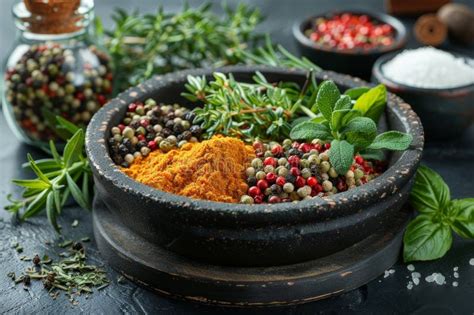
While freshness is paramount, how you use the herbs in your photo also matters. Consider the composition: a few strategically placed sprigs can add depth and interest without overwhelming the main subject. Think about lighting—natural, soft light often makes fresh greens pop. Don’t be afraid to experiment with different angles and arrangements to highlight the herbs’ texture and color. Remember, the goal is to make the entire dish, including its garnish, look irresistible.
Conclusion: The Green Difference
Achieving stunning recipe photos with vibrant herbs is less about luck and more about understanding and implementing proper care and handling techniques. From immediate post-purchase attention to strategic storage and last-minute revitalization, every step contributes to maintaining that fresh, camera-ready appeal. By mastering these methods, you’ll ensure your culinary creations consistently look as good as they taste, captivating your audience with every shot.