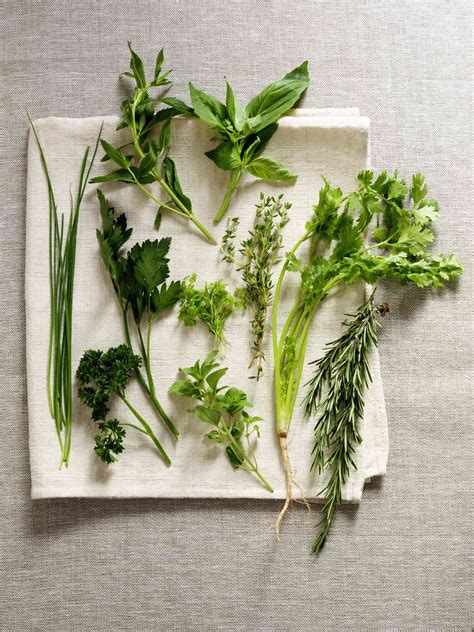





How to keep fresh herbs vibrant longer for beautiful garnishes?

Fresh herbs are the unsung heroes of the kitchen, elevating dishes with their vibrant flavors and aromatic charm. Beyond taste, their beautiful leaves and delicate sprigs make for exquisite garnishes, transforming a simple meal into a work of art. However, their fleeting freshness can be a source of frustration, often wilting just days after purchase. The good news is that with a few simple techniques, you can significantly extend their lifespan, keeping them perky and potent for much longer.
Understanding the Enemy: What Makes Herbs Wilt?
Herbs wilt primarily due to a loss of moisture and exposure to the wrong temperatures. Different herbs have different needs, but generally, protecting them from excessive drying, too much cold (or heat), and physical damage is key. Proper storage focuses on creating an environment that mimics their ideal growing conditions or slows down the natural degradation process.
Method 1: The Bouquet in Water (for Soft Herbs)
Soft-stemmed herbs like parsley, cilantro, dill, mint, and basil thrive with this method, though basil has a unique preference. Think of them like cut flowers:
- Preparation: Trim about half an inch off the bottom of the stems. Remove any leaves that would fall below the waterline to prevent rotting.
- Water Bath: Place the herb bundle upright in a glass or jar filled with an inch or two of fresh, cool water.
- Cover & Chill (Except Basil): Loosely cover the herbs with a plastic bag (a produce bag works perfectly) to create a mini-greenhouse, trapping moisture. Store this setup in the refrigerator. Change the water every 1-2 days.
- Basil’s Exception: Basil prefers room temperature. Store it in water on your counter, away from direct sunlight or drafts, and don’t cover it. Refrigeration can blacken its leaves.
This method keeps soft herbs fresh and vibrant for up to 1-2 weeks.

Method 2: The Damp Paper Towel (for Hardy Herbs)
Hardier, woodier herbs such as rosemary, thyme, oregano, sage, and chives benefit from a slightly different approach. They don’t need to stand in water and can be prone to mold if too wet:
- Preparation: Gently wash the herbs if necessary and ensure they are thoroughly dry. Excess moisture is the enemy here.
- Wrap & Bag: Lightly dampen a few sheets of paper towel (not soaking wet, just moist). Lay the herbs flat on the paper towel and roll them up loosely.
- Store Cold: Place the wrapped herbs into a resealable plastic bag or an airtight container. Store this in the crisper drawer of your refrigerator.
This technique can keep hardy herbs fresh for 2-3 weeks.

Essential Pre-Storage Steps for Longevity
- Inspect: Before storing, remove any bruised, yellowed, or spoiled leaves. These can accelerate the decay of the entire bunch.
- Wash Gently (Optional but Recommended): If your herbs are dirty, rinse them gently under cool water. However, the most crucial step follows washing.
- Dry Thoroughly: This cannot be stressed enough, especially for hardy herbs. Use a salad spinner or gently pat them dry with paper towels. Any lingering moisture encourages mold and bacterial growth, rapidly shortening their lifespan.

Beyond Fresh: Freezing for Future Use
When you have an abundance of herbs, freezing is an excellent way to preserve their flavor for cooking, though their texture for garnishing might not be ideal:
- Chop and Freeze in Oil: Finely chop your herbs (e.g., parsley, cilantro, basil, chives), place them into ice cube trays, and cover with olive oil. Freeze until solid, then transfer the herb-oil cubes to a freezer-safe bag. They’re perfect for sautéing or adding to sauces.
- Freeze Dry (Hardy Herbs): For rosemary or thyme, simply strip the leaves from the stems and freeze them flat on a baking sheet. Once frozen, transfer to an airtight container or freezer bag.
Frozen herbs can last for several months, offering a convenient way to reduce waste.

Reviving Wilted Herbs
If your herbs look a little sad but aren’t completely spoiled, you might be able to revive them. Trim the stems and place them in a bowl of ice-cold water for about 15-30 minutes. This can rehydrate the cells and bring back some crispness, especially for soft herbs like parsley and cilantro.
Conclusion: Elevate Your Dishes with Ever-Vibrant Herbs
Keeping fresh herbs vibrant longer is a simple kitchen skill that pays dividends in flavor, aesthetics, and reduced food waste. By understanding the specific needs of different herb types and implementing these easy storage methods, you’ll always have beautiful, fragrant garnishes and potent ingredients at your fingertips. Say goodbye to limp, sad herbs and hello to a kitchen full of life!