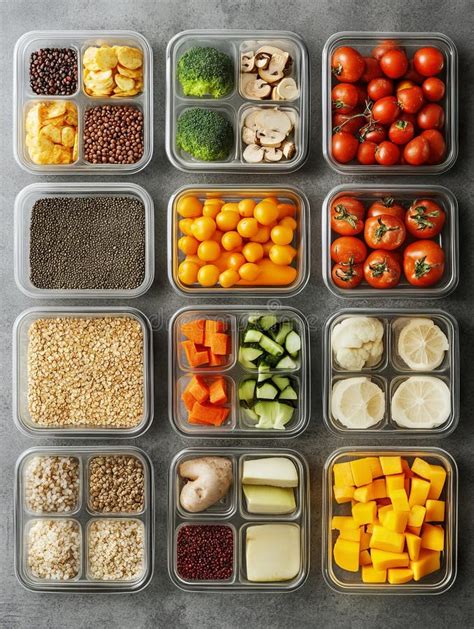





Spice up healthy meal prep with seasonal whole ingredients?
Elevate Your Healthy Meal Prep with Nature’s Best
Healthy meal prep doesn’t have to be bland or repetitive. In fact, it’s an incredible opportunity to explore a universe of flavors and nutrients, especially when you harness the power of seasonal whole ingredients. Moving beyond the same old chicken and broccoli, embracing what’s fresh and abundant can transform your weekly culinary routine from a chore into a creative and delicious adventure.
Incorporating seasonal produce not only guarantees peak flavor and nutritional value but also supports local farmers and sustainable practices. It encourages variety in your diet, ensuring you get a broader spectrum of vitamins, minerals, and antioxidants. Let’s delve into how you can infuse vitality and excitement into your meal prep by leaning into the rhythm of the seasons.
![🔥 [63+] Colorful Flowers Backgrounds | WallpaperSafari](/images/aHR0cHM6Ly90czIubW0uYmluZy5uZXQvdGg/aWQ9T0lQLjFnZWZfdlFDalNONk1vMGxTX09ZakFIYUVvJnBpZD0xNS4x.webp)
The Undeniable Advantages of Seasonal Eating
Why go seasonal? The benefits are multifaceted, impacting taste, nutrition, cost, and even the environment.
- Superior Flavor: Produce picked at its peak ripeness, often locally, tastes incomparably better than items shipped long distances out of season. Think of the difference between a summer ripe tomato and a winter one.
- Maximized Nutrition: Foods harvested in season tend to have higher nutrient content. They haven’t spent weeks in transit or storage, losing valuable vitamins and minerals.
- Cost-Effectiveness: When an ingredient is in season, it’s typically abundant and therefore more affordable. This is a huge win for budget-conscious meal preppers.
- Environmental Benefits: Eating seasonally often means eating locally, reducing the carbon footprint associated with transportation and storage.
- Dietary Variety: Following the seasons naturally rotates the types of fruits, vegetables, and even proteins you consume, ensuring a diverse nutrient intake and preventing palate fatigue.
How to Integrate Seasonal Whole Ingredients into Your Prep
Making the switch to seasonal meal prep is simpler than you might think. It primarily involves a shift in mindset and a little planning.
Know Your Seasons
Familiarize yourself with what’s in season in your region. Local farmers’ markets are excellent resources, often providing charts or knowledgeable vendors. Online resources and local agricultural extension offices can also provide seasonal calendars specific to your area.
Plan Around “Seasonal Heroes”
Instead of deciding on a dish and then finding ingredients, try the reverse. What’s looking amazing at the market this week? If it’s asparagus, build meals around it: roasted asparagus with salmon, asparagus and goat cheese frittata, or a vibrant asparagus soup. Let the seasonal star dictate your culinary direction.

Embrace Versatility and Creative Flavor Pairings
Seasonal ingredients often lend themselves to a multitude of preparations. A butternut squash in fall can be roasted, pureed into soup, added to curries, or even spiralized into “noodles.” Don’t be afraid to experiment.
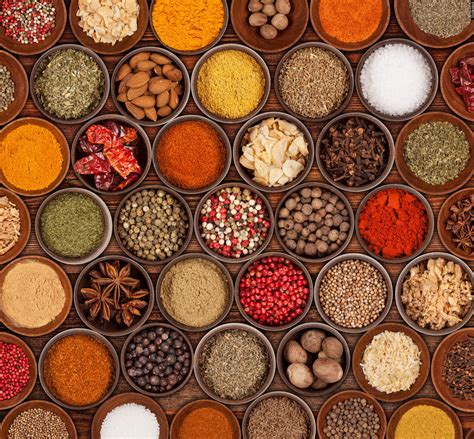
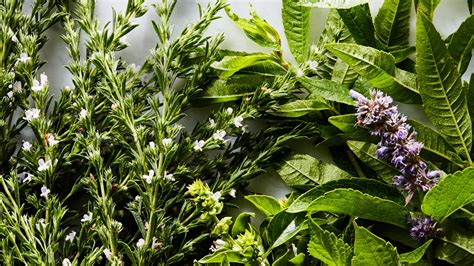
Spices and herbs are your best friends in enhancing seasonal flavors. A simple roasted vegetable blend can be transformed with a pinch of smoked paprika, a dash of cumin, or a sprinkle of fresh dill. Think about flavor profiles that complement your ingredients: rosemary with root vegetables, basil with summer tomatoes, or ginger with Asian-inspired stir-fries.
Practical Tips for Maximizing Your Seasonal Prep
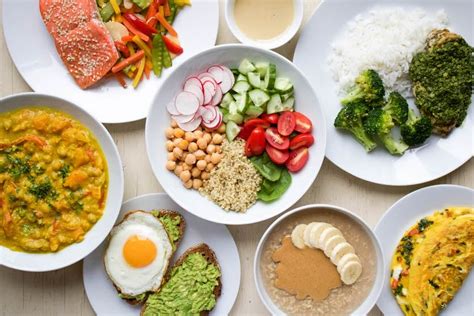
- Batch Cook Basics: Roast a large tray of seasonal vegetables, cook a big pot of grains (quinoa, farro, brown rice), and prep a protein source (chicken, beans, lentils) at the beginning of the week. These versatile components can be mixed and matched into various meals.
- Marinades and Dressings: Whip up homemade marinades and dressings using fresh herbs and citrus. These add incredible flavor without excess unhealthy additives and can be prepped in advance.
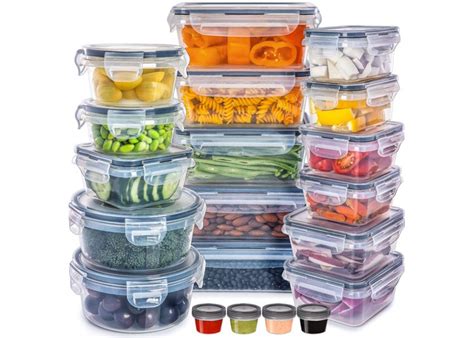
- Smart Storage: Store prepped ingredients properly to maintain freshness. Use airtight containers for chopped veggies, cooked grains, and proteins. Many fruits and vegetables benefit from specific storage conditions (e.g., berries in a single layer, greens washed and dried with a paper towel).
- Don’t Waste: Utilize every part of your produce where possible. Carrot tops can make pesto, broccoli stems can be shredded into slaw, and vegetable scraps can be used for stock.
A Flavorful Journey Awaits
Shifting your meal prep to focus on seasonal whole ingredients is more than just a healthy eating strategy; it’s a mindful approach to food that connects you with nature’s bounty. It ensures your plates are consistently vibrant, packed with peak nutrition, and bursting with flavors that truly reflect the time of year. So, next time you plan your meals, let the seasons guide your shopping cart and inspire your culinary creativity. Your taste buds, your body, and the planet will thank you.