



Make healthy eating visually appealing: plating real food like a pro?

In a world increasingly focused on wellness, healthy eating has taken center stage. However, the perception that healthy food is sometimes bland or uninspiring can be a hurdle. What if we told you that elevating your nutritious meals to restaurant-quality status isn’t about complex recipes, but rather the art of presentation? Just as our taste buds savor flavor, our eyes feast on aesthetics. Learning to plate real food like a pro can significantly enhance your dining experience, making healthy choices irresistibly appealing.
The Power of Presentation: Why Visuals Matter
It’s a well-known culinary adage: we eat with our eyes first. The visual appeal of a dish profoundly influences our perception of its taste, quality, and even how much we enjoy it. For healthy foods, which sometimes carry a reputation for being less exciting, an attractive presentation can be a game-changer. It elevates the meal from mere sustenance to a sensory experience, encouraging mindful eating and celebrating the vibrant colors and textures nature provides.
Understanding the Core Elements of Plating
Professional chefs meticulously consider several factors when designing a dish’s presentation. You can apply these same principles in your home kitchen:
Color and Contrast
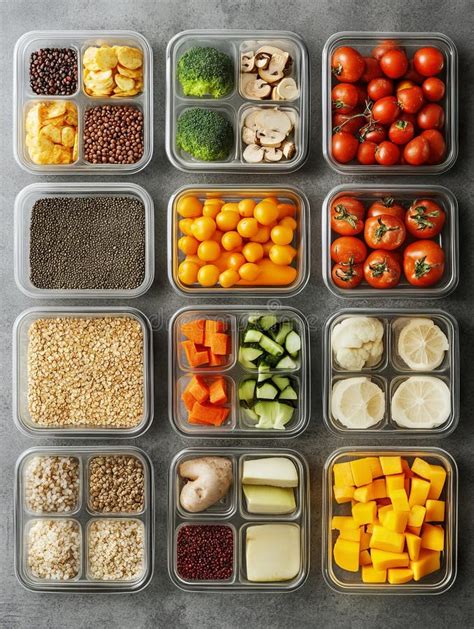
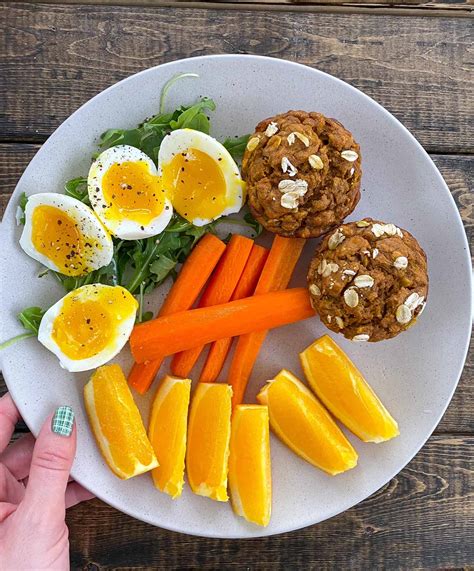
Healthy eating often means a rainbow of vegetables and fruits. Utilize this to your advantage! Arrange elements with contrasting colors next to each other to make them pop. Think vibrant green broccoli next to bright orange sweet potato, or deep red berries against a creamy yogurt background.
Texture and Dimension
Varying textures adds interest to both the palate and the eye. Incorporate crispy elements (toasted nuts, roasted chickpeas), soft components (mashed avocado, pureed soup), and hearty textures (lean protein, whole grains). Create dimension by stacking ingredients rather than spreading them flat. Lean vegetables against each other, or build a small tower with grains and protein.
Balance and Negative Space
Don’t overcrowd the plate. Leaving some ‘negative space’ allows each component to stand out and makes the dish feel more elegant and deliberate. Aim for balance in portion sizes and distribution, ensuring no one element dominates excessively.

Mastering Practical Plating Techniques
The Rule of Thirds and Focal Points
Imagine your plate divided into a tic-tac-toe grid. Place your main ingredients at the intersections of these lines, rather than directly in the center. This creates a more dynamic and professional look. Identify a focal point – perhaps the protein or the most visually striking vegetable – and build the rest of the dish around it.
Garnishes: The Finishing Touch
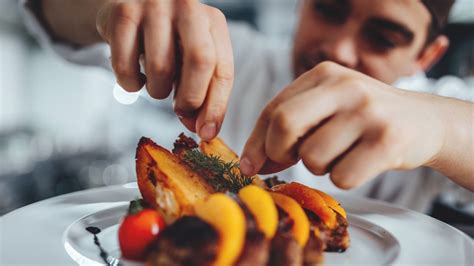
A well-chosen garnish can transform a good dish into a great one. Fresh herbs (parsley, cilantro, dill) add color and aroma. A sprinkle of seeds (sesame, chia), a dash of paprika, a swirl of a contrasting sauce, or a wedge of lemon can provide that final flourish. Remember, garnishes should be edible and complement the flavors of the dish.
Sauces and Drizzles
Instead of flooding your plate with sauce, apply it artfully. Use a squeeze bottle to create patterns (swirls, dots, lines) or a spoon to create a ‘smear’ or ‘streak’ across the plate. This adds visual movement and enhances flavor without overpowering the other ingredients.

Choosing Your Canvas: Plates and Tools
Plate Selection
While you don’t need expensive dinnerware, consider the impact of your plate. White plates are often preferred by chefs because they make colors pop and provide a neutral backdrop. Experiment with different shapes (round, square, rectangular) and sizes. For smaller, richer portions, a larger plate with ample negative space can be very effective.
Basic Plating Tools
You don’t need a full professional kit. A good pair of tongs for delicate placement, a small spoon for sauces, and perhaps a squeeze bottle for precise drizzling are excellent starting points. Even your clean hands can be a great tool for arranging leafy greens or small components carefully.

From Inspiration to Your Kitchen
Start by observing. Look at food magazines, restaurant menus online, and culinary blogs for inspiration. Pay attention to how ingredients are arranged, what colors are paired, and how garnishes are used. Then, begin practicing with your own meals. Start simple: focus on one or two techniques, like stacking or adding a fresh herb garnish. The more you practice, the more intuitive plating will become.
Conclusion: Elevate Your Everyday Meals
Plating healthy food like a pro is an accessible skill that offers immense rewards. It transforms your daily meals into an experience, stimulates your appetite for nutritious choices, and allows you to express creativity in the kitchen. By paying a little extra attention to color, texture, height, and careful arrangement, you can make healthy eating not just good for you, but truly a feast for the eyes and a joy for the soul. So, grab your tongs, embrace the art, and start making your healthy dishes visually irresistible today!