




What visual clues help find authentic local food gems when traveling?

One of the most rewarding aspects of traveling is diving deep into the local culture, and there’s no better way to do that than through its food. Yet, finding truly authentic, local culinary gems amidst a sea of tourist traps can be daunting. Thankfully, your eyes can be your best guides. By paying attention to specific visual clues, you can significantly increase your chances of discovering those hidden kitchens and street stalls where the real flavors of a destination reside.
Observe Where the Locals Congregate
The first and most reliable visual clue is the presence of locals. If a restaurant or food stall is bustling with people who appear to be residents rather than fellow tourists, you’re likely onto something good. Look for queues, especially during peak meal times. Locals know where the best food is, and they’ll happily wait for it. A perpetually busy spot, even if small or unassuming, is often a strong indicator of delicious, authentic fare.
 Factories and their machinery form an integral part of our society. Their output may be anything from cars to clothing. However, that output comes at a price. Factories cause a great deal of pollution, both in terms of noise and the chemicals they release into the air and water. There is an ongoing debate about how to balance the need for goods with the need to protect the environment.
 The need for balance between economic growth and environmental protection is a global challenge. Many countries are exploring new technologies and policies to reduce the environmental impact of industrial activities. This includes investing in renewable energy sources, implementing stricter emission standards, and promoting circular economy principles.
Beyond just crowds, observe the demographics. Are families eating together? Are workers on their lunch break? This diverse local clientele suggests that the establishment caters to the community’s taste rather than just fleeting visitors.
Look for Simplicity and Specialization
Authentic local eateries often pride themselves on doing a few things exceptionally well, rather than offering an extensive, generic menu. Visually, this translates to smaller menus, sometimes handwritten or displayed simply. A menu spanning multiple cuisines or offering “international” dishes alongside local ones can be a red flag. Instead, seek out places that clearly specialize in one or two regional dishes, perhaps even named after them.
 The simplicity of a focused menu often indicates a restaurant’s confidence in its signature dishes. Rather than trying to appeal to everyone with a vast array of options, these establishments master a select few, ensuring quality and authenticity. This approach also allows them to source ingredients more efficiently and sustainably.
The decor can also hint at authenticity. While some high-end local spots might be elaborate, many traditional gems are unpretentious. Worn tables, simple chairs, and a lack of flashy tourist-oriented signs often signal a focus on the food itself rather than aesthetics designed to impress outsiders.
Observe the Ambiance and Clientele
Beyond just the quantity of locals, pay attention to the quality of interaction. Are the staff engaging warmly with customers? Does it feel like a family-run establishment? These subtle visual cues can indicate a place with a strong community connection and pride in its offerings. A lack of English menus (or a very poorly translated one) can also be a good sign – it suggests they don’t primarily cater to tourists.
 The atmosphere of a local eatery often reflects the heart of its community. Warm interactions between staff and regulars, the hum of lively conversations, and a sense of belonging all contribute to an authentic dining experience. Such places become more than just restaurants; they are social hubs.
Watch for visual “tells” of tourist traps: excessive prices listed prominently in multiple currencies, staff aggressively soliciting customers from the street, or prominent signs advertising “authentic” food in an overly generic way. True authenticity often speaks for itself quietly.
The Visuals of the Food Itself
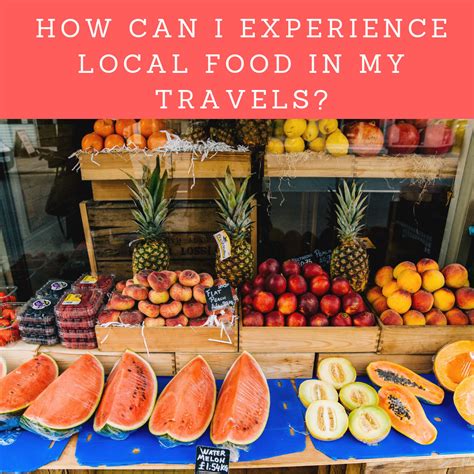
Once you’ve identified a potential spot, a quick peek can confirm your suspicions. Look for fresh ingredients prominently displayed, especially in markets or street stalls. Active cooking, with visible flames, steam, or chopping, indicates food prepared fresh to order. Observe the plates of other diners – does the food look appealing, vibrant, and generous? Even if it’s rustic, quality ingredients and careful preparation shine through visually.
 The sight of fresh, vibrant ingredients is a strong indicator of a kitchen’s commitment to quality. Whether it’s colorful produce in a market stall or freshly cut herbs on a counter, these visual cues promise a meal made with care and attention to flavor. The aroma of active cooking further enhances this sensory experience.
Presentation, while not always fancy in authentic spots, often has a certain integrity. The food should look like it belongs together, served in traditional ways, and appear appetizing rather than mass-produced. Ingredients that look local to the region are another positive visual cue.
Street Food Savvy
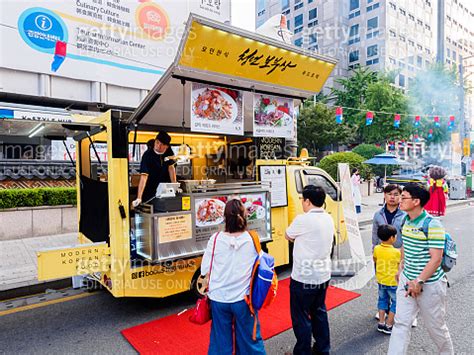
Street food offers some of the most authentic culinary experiences. Visually assess the stall’s cleanliness and hygiene. While a rustic appearance is fine, visible dirt, flies, or questionable food handling are clear warnings. Again, look for queues and busy stalls. A high turnover of food means it’s constantly being cooked fresh. Watch the vendors prepare the food – are they efficient, confident, and using fresh components?
 A bustling street food stall, with vendors expertly preparing dishes right before your eyes, is often a sign of both popularity and freshness. The rhythmic chopping, the sizzle of ingredients, and the aroma filling the air all contribute to the allure of authentic street food. Observing the cleanliness and efficiency of the operation can provide peace of mind.
Ultimately, finding authentic local food is an adventure in itself, often requiring a keen eye and a willingness to step off the beaten path. By learning to decipher these visual clues, you’ll unlock a world of genuine flavors and unforgettable culinary experiences on your travels, transforming every meal into a true food adventure.