



How to consistently achieve photo-worthy textures & vibrant colors in recipes?
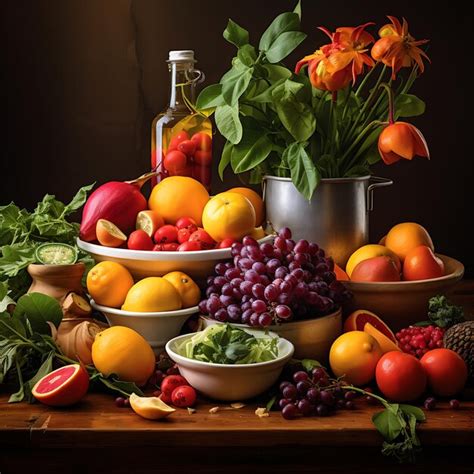
The Secret to Visually Stunning Dishes
In today’s visually-driven world, a dish isn’t truly complete until it looks as good as it tastes. Achieving those Instagram-ready textures and vibrant colors consistently can seem like a professional chef’s secret, but with the right techniques and understanding, anyone can transform their home-cooked meals into culinary masterpieces that pop off the plate and shine in every photograph. It’s about more than just taste; it’s about creating an experience that engages all the senses.
Start with Superior Ingredients
The journey to photo-worthy food begins long before you even turn on the stove. High-quality, fresh ingredients are the cornerstone of both exquisite flavor and stunning appearance. Opt for seasonal produce whenever possible, as it’s at its peak ripeness, offering the most intense colors and robust textures. Inspect your fruits and vegetables for bruises or discoloration; even minor flaws can detract from the final presentation.
Proper storage is also crucial. Keep herbs vibrant by storing them like a bouquet in a glass of water, covered loosely with a plastic bag. Prevent browning in cut fruits and vegetables with a squeeze of lemon juice or a quick blanch if appropriate. The fresher your ingredients look at the start, the more vibrant they’ll remain throughout the cooking process.
Mastering Cooking Techniques for Color & Texture Retention
Strategic Cooking Methods
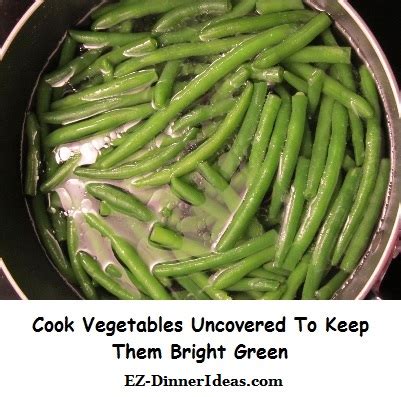
The way you cook ingredients dramatically impacts their final look. Overcooking is the enemy of both vibrant colors and desirable textures. For green vegetables, techniques like blanching and shocking are game-changers. Blanching briefly cooks the vegetables, locking in their bright green hue, while shocking them in ice water immediately stops the cooking process, preserving crispness and color.
Searing, roasting, and grilling, when executed correctly, can create beautiful caramelized surfaces and appealing textures without diminishing internal vibrancy. Ensure your pans are hot enough for searing to achieve that perfect golden-brown crust, and don’t overcrowd them, which can lead to steaming rather than searing.
Embrace Acid and Minimal Heat
A touch of acid, like lemon juice or vinegar, can work wonders in retaining and even brightening colors, especially in vegetables and sauces. Add it towards the end of cooking to maximize its effect. For delicate ingredients, consider quick cooking methods like stir-frying or steaming to maintain their natural structure and vividness.
Remember that different colors react differently to heat. Reds from tomatoes or bell peppers generally hold up well, while purples from cabbage or berries might leach color if overcooked or exposed to too much alkaline. A little understanding of food chemistry goes a long way.
Layering Textures for Dynamic Presentation
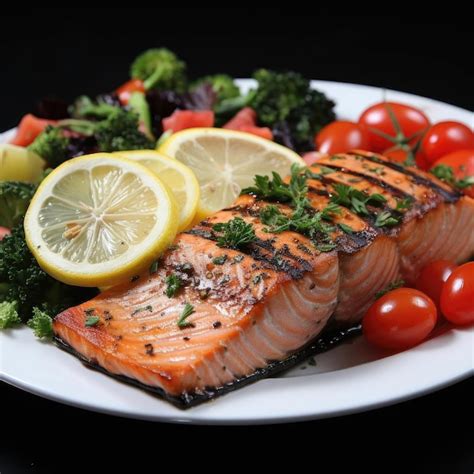
A visually appealing dish often features a variety of textures. Think beyond just the main components. A creamy soup can be elevated with crunchy croutons or toasted nuts. A soft fish fillet can be paired with crisp-tender vegetables or a crumbly topping. Contrast is key to making a dish feel dynamic and interesting.
Consider the interplay of smooth and rough, soft and crisp. This not only makes the dish more enjoyable to eat but also adds depth and complexity to its visual appeal. Garnishes, in particular, are excellent for introducing contrasting textures.
The Art of Garnishing and Plating
Garnishes are Your Best Friends
Garnishes are not just an afterthought; they are the final flourish that brings a dish to life. Fresh herbs like parsley, cilantro, or mint add a burst of green and aromatic freshness. A sprinkle of toasted seeds (sesame, poppy, pumpkin) or chopped nuts provides crunch and visual interest. A drizzle of high-quality olive oil or a balsamic glaze can add shine and depth. Citrus zest offers both color and a fragrant pop.
Choose garnishes that complement the flavors of your dish, not just for decoration. They should enhance, not distract.
Thoughtful Plating
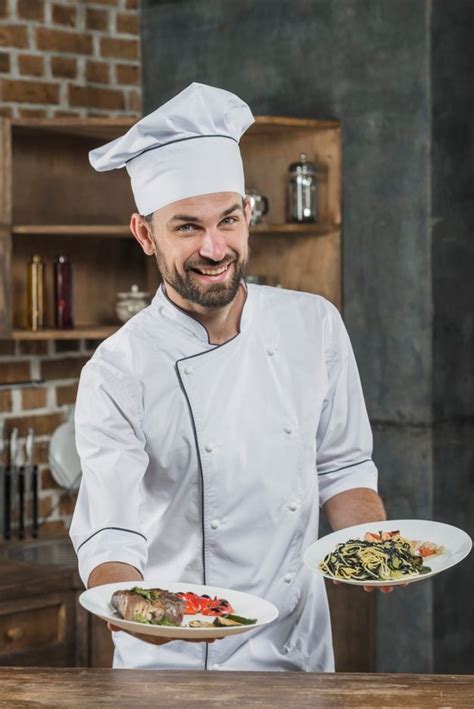
How you arrange food on the plate is paramount for photo-worthiness. Think about balance, height, and negative space. Avoid overloading the plate. Create height by stacking ingredients or leaning them against each other. Use contrasting colors to make elements stand out. An odd number of items often looks more aesthetically pleasing than an even number.
Wipe the rim of your plate clean before serving. A clean canvas makes the food the undeniable star. Simple, elegant plating often works best, allowing the natural beauty of the ingredients to shine.
Bringing It All Together for Consistent Success
Achieving consistently photo-worthy textures and vibrant colors in your recipes is a practice that combines careful ingredient selection, precise cooking techniques, and artistic presentation. Pay attention to every step, from the moment you pick up an ingredient to the final garnish. Experiment with different methods, observe how heat affects various foods, and don’t be afraid to get creative with your plating.
With these tips in your culinary arsenal, every meal you prepare can be a feast for the eyes, ready for its close-up, and most importantly, incredibly delicious. Happy cooking, and happy photographing!