



Crisp veggies: secrets to perfect texture & vibrant color?

The Quest for Perfectly Crisp, Colorful Veggies
There’s nothing quite like the satisfying crunch of perfectly cooked vegetables, coupled with their natural, vibrant hues that practically sing on the plate. Yet, achieving this ideal can sometimes feel like a culinary enigma. Too often, we’re left with soggy, dull produce that lacks the appeal and nutritional punch we crave. But fear not, aspiring home chefs! Unlocking the secrets to crisp texture and brilliant color in your vegetables is simpler than you might think, relying on a few fundamental techniques and a touch of kitchen wisdom.

Start with Superior Ingredients
The journey to perfect vegetables begins long before they hit the pan. The quality of your produce is paramount. Always opt for the freshest vegetables available, ideally in season. Look for firm, unblemished items with bright, natural colors. Wilting, soft spots, or discoloration are tell-tale signs of aging produce that will struggle to achieve that coveted crispness and vibrancy, no matter how expertly you cook them. Farmers’ markets or local grocers known for high turnover are excellent sources for peak-condition ingredients.
Preparation is Key: Wash, Chop, and Dry
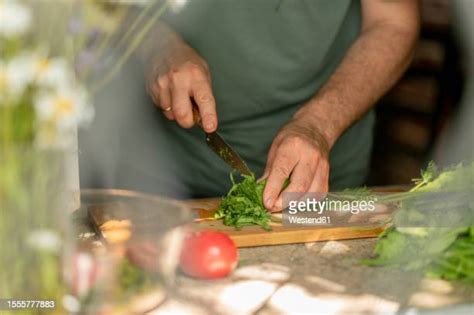
Before cooking, thoroughly wash your vegetables to remove any dirt or debris. For most vegetables, a quick rinse under cold water is sufficient. Pay attention to how you chop; uniform pieces ensure even cooking. More importantly, ensure your vegetables are as dry as possible before cooking. Excess moisture, especially in high-heat methods like stir-frying or roasting, will steam the vegetables instead of searing them, leading to a softer, less crisp result. A salad spinner or patting dry with a clean towel are effective methods.
Mastering Cooking Methods for Maximum Crunch
Blanching and Shocking
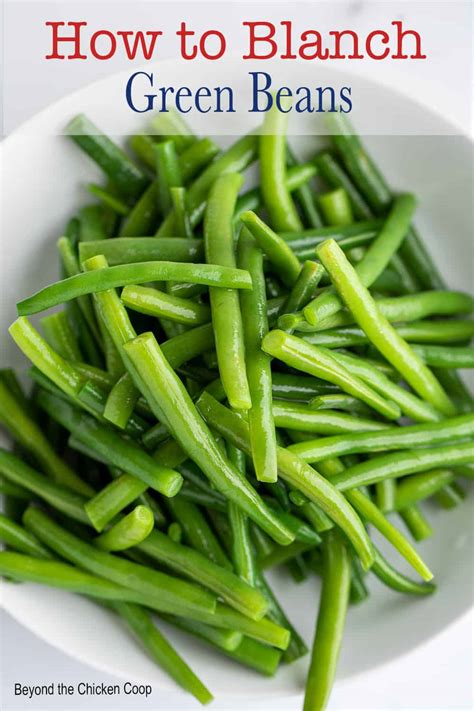
For many green vegetables like broccoli, green beans, or asparagus, blanching followed by an ice bath (shocking) is the gold standard for preserving color and achieving a tender-crisp texture. Briefly cook the vegetables in boiling salted water (usually 1-3 minutes), then immediately plunge them into ice water to halt the cooking process. This locks in the vibrant green chlorophyll and maintains a delightful bite.
High-Heat Roasting and Stir-Frying
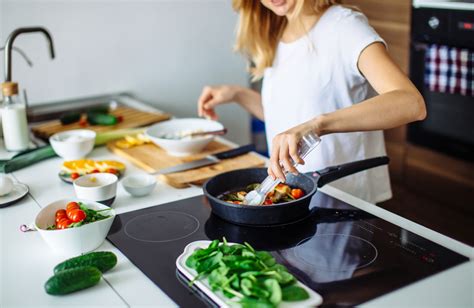
When you want deep flavor and a wonderful char, high-heat cooking methods are your friends. For roasting, preheat your oven to 400-425°F (200-220°C). Toss vegetables like Brussels sprouts, carrots, or bell peppers with a little oil, salt, and pepper, and spread them in a single layer on a baking sheet. Overcrowding the pan will steam them, so use multiple sheets if necessary. For stir-frying, use a very hot wok or large skillet with a small amount of high smoke point oil. Cook vegetables quickly in batches, ensuring they make direct contact with the hot surface to develop a beautiful sear and retain their crispness.
Timing and Temperature are Everything
Overcooking is the arch-nemesis of crisp, vibrant vegetables. Always err on the side of undercooking slightly, as vegetables continue to cook with residual heat after being removed from the stove. Pay close attention and test for doneness frequently. They should be “al dente” – tender but still firm to the bite. Maintaining proper cooking temperatures is also crucial; too low, and vegetables will steam and soften; too high, and they might burn before cooking through.
Post-Cooking Care and Serving
Once cooked, serve your vegetables immediately for the best texture and flavor. If you’ve blanched and shocked them, drain thoroughly before adding them to dishes or dressing. A squeeze of lemon juice or a dash of vinegar at the end of cooking can also brighten flavors and colors. Remember, the goal is to enhance their natural goodness, not mask it.

Common Pitfalls to Avoid
- Overcrowding the pan: Leads to steaming instead of searing.
- Not drying vegetables: Introduces excess moisture, hindering crispness.
- Overcooking: The quickest way to soggy, dull veggies.
- Using old produce: Limits potential from the start.
With these straightforward techniques, you’re well-equipped to transform your vegetable dishes from mundane to magnificent. Embrace the vibrant colors and delightful crunch that truly fresh, perfectly cooked vegetables bring to your plate, enhancing both the visual appeal and nutritional value of every meal.