




Smart storage for keeping fresh herbs vibrant longer?

Fresh herbs are the soul of many culinary creations, capable of transforming a simple dish into a gourmet experience with their vibrant flavors and aromatic presence. However, their delicate nature often means they wilt, brown, or lose their potency just days after purchase, leading to waste and frustration. The good news is that with a few smart storage techniques, you can significantly extend the life of your fresh herbs, keeping them vibrant and ready for action in your kitchen for much longer.
The Challenge of Herb Longevity
The primary enemies of fresh herbs are improper moisture levels and exposure to air. Too much moisture can lead to mold and rot, while too little causes them to dry out and wilt. Temperature also plays a crucial role; some herbs prefer cooler conditions, while others, like basil, are sensitive to cold and can turn black when refrigerated incorrectly. Understanding these challenges is the first step toward effective preservation.
Fundamental Principles of Herb Storage
Successful herb storage revolves around mimicking the ideal conditions for the herb to thrive, or at least survive, once detached from its roots. This generally means providing a stable, humid environment without excessive wetness, and protecting them from drying air. The choice of method often depends on the type of herb – whether it’s a sturdy stem herb or a delicate leafy one.
Popular & Effective Storage Methods
1. The Water Jar Method (for Parsley, Cilantro, Mint, etc.)
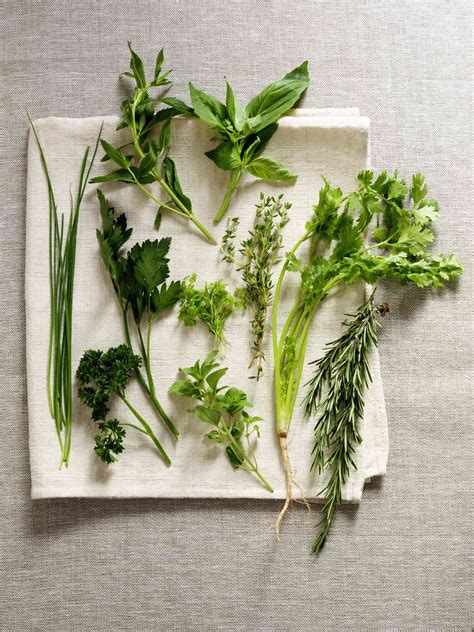
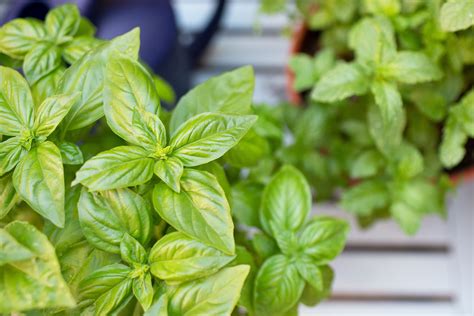
This method is excellent for most sturdy, soft-stemmed herbs like parsley, cilantro, mint, and chives. Treat them like a bouquet of flowers: trim the bottoms of the stems, remove any leaves that would fall below the waterline, and place them upright in a glass jar with about an inch of fresh water. Loosely cover the herbs and jar with a plastic bag (or use a specialized herb keeper) to create a humid microclimate. Store this setup in the refrigerator. Basil, however, prefers room temperature to avoid chilling injury, so keep it on the counter away from direct sunlight.
2. The Damp Paper Towel Roll (for Dill, Tarragon, Rosemary, Thyme)
For more delicate or woody-stemmed herbs such as dill, tarragon, rosemary, or thyme, the damp paper towel method works wonders. Gently wash and thoroughly dry the herbs (excess moisture is the enemy here). Lay them flat on a slightly damp paper towel, roll them up loosely, and then place the bundle into a resealable plastic bag or an airtight container. Store this in the crisper drawer of your refrigerator. The paper towel maintains just the right amount of humidity.
3. Specialized Herb Keepers & Containers
For those who regularly use fresh herbs, investing in a dedicated herb keeper can be a game-changer. These ingenious devices are designed to provide the optimal environment, often featuring a water reservoir at the bottom and a clear, ventilated container that protects the herbs. They come in various sizes and designs, making it convenient to store different quantities of herbs while keeping them easily visible and accessible in your fridge.

4. Freezing Herbs for Long-Term Storage
When you have an abundance of herbs or want to preserve them for several months, freezing is an excellent option. For soft herbs like parsley, cilantro, or basil, finely chop them and pack them into ice cube trays. Cover with a neutral oil (like olive oil) or water, then freeze until solid. Once frozen, pop out the cubes and transfer them to a freezer-safe bag. For woody herbs like rosemary or thyme, you can freeze whole sprigs on a baking sheet and then transfer them to a bag. Frozen herbs are perfect for adding to soups, stews, sauces, or stir-fries.

Tips for Maximizing Freshness
- Don’t Wash Until Ready: Unless specified by a method, avoid washing herbs until just before you’re about to use them. Excess moisture can accelerate spoilage.
- Ensure Proper Drying: If you do wash them beforehand, use a salad spinner or paper towels to ensure they are completely dry before storing.
- Trim Stems: Always trim the very ends of the stems for the water jar method; this allows them to absorb water more efficiently.
- Check Regularly: Periodically check your stored herbs for any signs of wilting or spoilage and remove any affected pieces to prevent further spread.
By implementing these smart storage techniques, you’ll find that your fresh herbs stay vibrant and flavorful for significantly longer. This not only reduces food waste but also ensures you always have high-quality, aromatic ingredients on hand to elevate your home cooking, making every meal a little more special and delicious.