




What visual cues signal truly authentic street food?

Street food is more than just a meal; it’s a vibrant sensory experience, a direct conduit to a culture’s heart and soul. Yet, in bustling markets and tourist hotspots, how do you discern the genuinely authentic from the merely convenient? The secret lies in learning to read the visual cues—subtle yet powerful signals that point towards culinary excellence and a true taste of local tradition.
The Power of the People: Follow the Locals
Perhaps the most reliable indicator of authentic street food is the crowd it attracts. A vendor surrounded by a long line of local patrons is a golden sign. Locals know where to find the best flavors and value. They are discerning customers, and their consistent presence speaks volumes about the quality and authenticity of the food. Don’t be afraid to queue; the wait often promises a worthwhile reward.
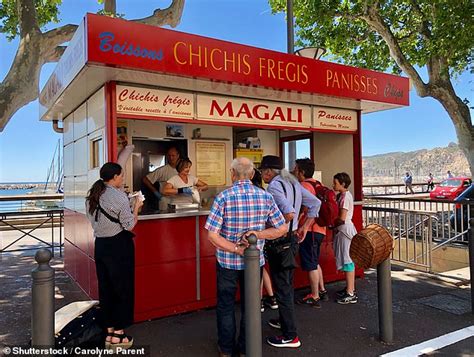
Beyond the sheer number, observe the demographics. Are they families, workers on a lunch break, or elderly residents? A mix of ages and backgrounds suggests a beloved establishment, deeply woven into the community’s daily rhythm. Tourists might gather at popular spots, but it’s the consistent local patronage that truly signals authenticity.
The Humble Setup: Simplicity and Specialization
Authentic street food stalls rarely boast elaborate decor or pristine, new equipment. Look for worn but clean surfaces, well-used woks, griddles, or fryers that bear the patina of years of dedicated cooking. Often, a stall specializes in just one or two dishes, perfecting them over generations. This focus allows for mastery, ensuring each plate is a testament to tradition and skill.

The equipment itself can be a clue. Is there a specific, custom-built contraption for a particular dish? Is the setup optimized for speed and efficiency, indicating a high volume of orders? These subtle hints suggest a vendor deeply committed to their craft, often inherited through family lineage.
The Artisan at Work: Observing the Chef
Watch the cook. An authentic street food chef is often a master artisan, performing a culinary ballet with practiced ease. Their movements are confident, efficient, and often repetitive, perfected over countless hours. They are focused on their task, often engaging briefly with customers but primarily dedicated to the food.
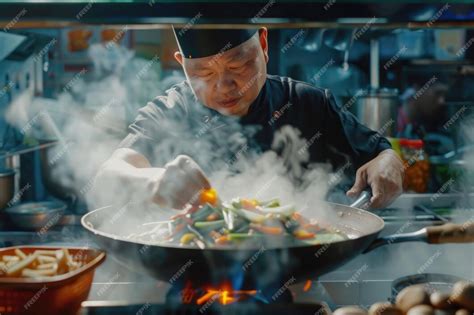
You might observe them kneading dough with lightning speed, flipping noodles with theatrical flair, or precisely carving meats. This visible expertise is a strong indicator of dedication and experience, suggesting a long-standing tradition of quality.
Freshness on Display: Ingredients and Menu
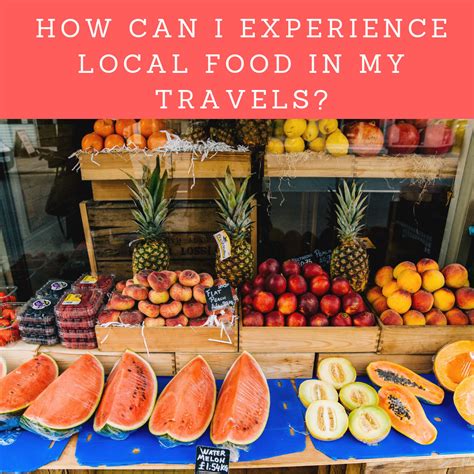
Authentic street food vendors pride themselves on fresh ingredients. Often, you’ll see vegetables, herbs, and meats prominently displayed, sometimes even prepped right there at the stall. Bright, vibrant colors and a clean appearance are good signs. A short, focused menu is another clue; it allows the vendor to source the best ingredients for a few signature dishes and master their preparation.

Beware of stalls with overly extensive menus, as it’s difficult to excel at everything. A focused approach ensures quality control and highlights dishes that are truly specialties of the house.
The Sensory Symphony: Atmosphere and Aroma
Beyond sight, engage your other senses. The general atmosphere around an authentic stall is often a lively symphony of sounds and smells. Hear the sizzle, the chop, the chatter of satisfied customers. Inhale the rich, complex aromas of spices, grilling meats, or simmering broths. These sensory cues contribute to the overall impression of a thriving, authentic food experience.

If the area feels vibrant, with people eating happily on makeshift stools or standing tables, it’s usually a good sign. Authenticity isn’t just about taste; it’s about the entire cultural immersion that accompanies the meal.
Conclusion: Trust Your Eyes (and Nose!)
Identifying truly authentic street food is an art, not a science, but by honing your observational skills, you can significantly increase your chances of a memorable culinary adventure. Look for the crowds of locals, the humble and specialized setups, the focused artisans, the fresh ingredients, and the lively atmosphere. When these visual cues align, you’re likely on the path to discovering a delicious, culturally rich, and genuinely authentic street food experience.