




How to keep fresh herbs vibrant longer for foodie plating?

For any discerning food enthusiast, the visual appeal of a dish is as crucial as its taste. Fresh herbs, with their vibrant greens and delicate aromas, are often the finishing touch that elevates a plate from good to gourmet. However, their ephemeral nature can be a challenge. How do you ensure those beautiful sprigs of parsley or dainty basil leaves remain crisp and colorful, not limp and dull, right up until they grace your masterpiece?
The Foundation: Gentle Handling and Immediate Care
The journey to long-lasting vibrancy begins the moment herbs enter your kitchen. Treat them with the utmost care, avoiding bruising or crushing their delicate leaves. Upon arrival, resist the urge to wash them immediately unless you plan to use them right away. Excess moisture can be the enemy of freshness, encouraging rot and wilting. Instead, prepare them for storage by gently removing any rubber bands or ties and inspecting for damaged leaves.
Tailored Storage: Woody vs. Tender Herbs
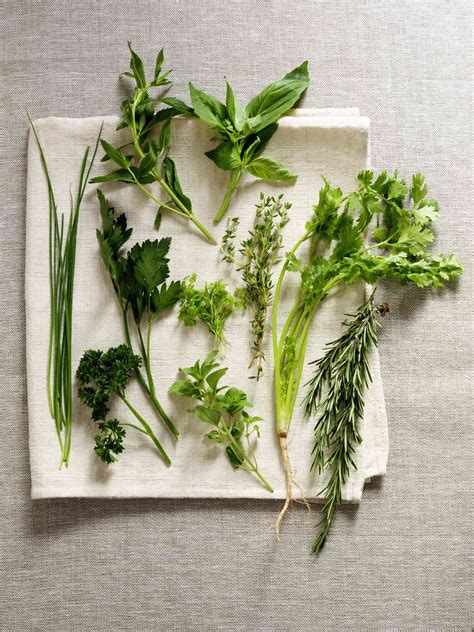
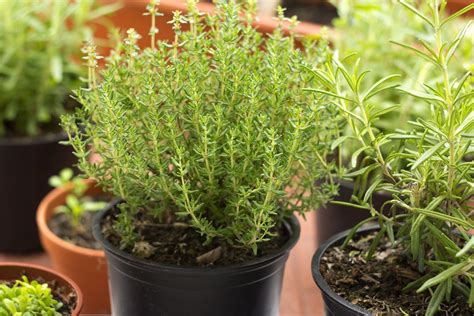
Woody Herbs: Rosemary, Thyme, Oregano
These heartier herbs, characterized by their sturdy stems, are generally more forgiving. For short-term storage (up to a week), wrap them loosely in a slightly damp paper towel, then place them in a resealable plastic bag or an airtight container in the refrigerator. For longer durations, some chefs prefer placing the stems upright in a small glass of water, covering the leaves loosely with a plastic bag, and refrigerating. The key is to keep the leaves dry while providing humidity to the stems.
Tender Herbs: Parsley, Cilantro, Dill, Mint
The majority of delicate, leafy herbs thrive in a ‘bouquet’ style storage. Trim the bottom of the stems, just like fresh flowers, and place them in a glass jar with an inch or two of fresh water. Cover the leaves loosely with a plastic bag to create a mini-greenhouse effect and refrigerate. Change the water every day or two. Cilantro and parsley can last up to two weeks this way.
The Basil Exception
Basil is a unique tender herb that despises cold. Refrigeration can quickly turn its leaves black and mushy. Instead, treat basil like a houseplant: trim the stems, place it in a jar of water on your countertop (away from direct sunlight), and cover loosely with a plastic bag if your kitchen is particularly dry. Change the water daily. It will last a week or more this way, ready to infuse Mediterranean flair into your dishes.
Reviving Wilting Wonders
Even with the best intentions, sometimes herbs can look a little tired. Don’t despair! Many herbs can be revived with a simple ice-water bath. Submerge the entire herb (stems and leaves) in a bowl of ice-cold water for 15-30 minutes. The cold water helps rehydrate the cells, often bringing them back to a crisp, vibrant state, perfect for that crucial last-minute garnish.
The Final Touch: Preparation for Plating
When it’s time to plate, gently wash your herbs under cool, running water. Thoroughly dry them using a salad spinner or by patting them very gently with paper towels. Excess moisture on the leaves will not only dilute their flavor but also make them stick to your plate in an unappealing way. For most applications, chop or pluck leaves just before serving to maximize flavor and preserve their pristine appearance.

Conclusion
Mastering the art of herb preservation is a game-changer for any foodie. By understanding the specific needs of different herb types and employing simple yet effective storage techniques, you can ensure your culinary creations are always adorned with the freshest, most vibrant garnishes. This attention to detail not only enhances the visual appeal of your dishes but also guarantees a burst of fresh flavor with every bite, elevating your plating from ordinary to extraordinary.