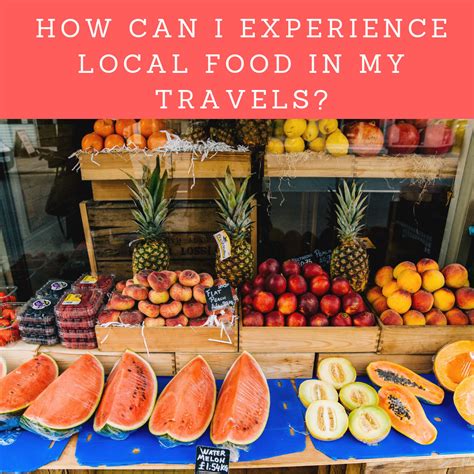





How do real foodies visually document authentic local eats without looking touristy?
For the true food enthusiast, capturing the essence of an authentic local meal goes beyond a simple snapshot. It’s about more than just the dish itself; it’s about the atmosphere, the people, the story behind the ingredients, and the cultural context. The challenge? Documenting these experiences visually without falling into the trap of looking overtly touristy, thereby diluting the very authenticity you seek to preserve. This guide will walk you through techniques to photograph your culinary adventures with respect, subtlety, and genuine flair.
Embrace the Raw Reality, Not Just the Plated Perfection
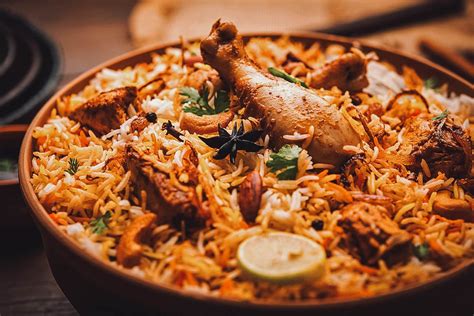
Authentic local eats often come with a side of grit and character. Forget the perfectly lit studio shots; real food happens in bustling markets, dimly lit street stalls, and humble family-run eateries. The goal isn’t to create a glossy magazine spread, but a genuine portrayal. Focus on capturing the texture of a hand-pulled noodle, the steam rising from a clay pot, or the vibrant chaos of a spice market. These imperfections are what tell the true story.

Focus on Details and Angles
Instead of pulling back for a wide shot that screams “I’m a tourist!”, get close. Zoom in on the intricate garnish, the glistening sauce, or the unique ingredients that define the dish. Shoot from slightly above or an interesting eye-level perspective rather than a straight-down “flat lay” that often feels staged. A slight angle can add depth and dynamism, making the viewer feel like they are right there at the table.
Capture the Context: Beyond the Plate
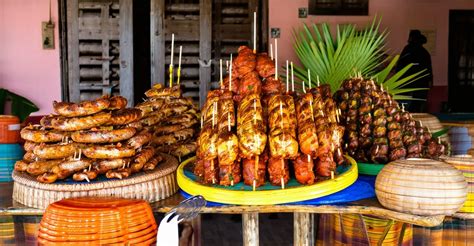
Authenticity extends far beyond the food item itself. What is the environment like? Are there local patrons enjoying their meals? What kind of cookware is being used? The setting, the people, and even the hands preparing the food contribute significantly to the narrative. Photographing these elements subtly can transform a simple food photo into a compelling visual story of cultural immersion.

Subtlety in People Photography
When including people, aim for candid shots. Avoid direct eye contact with your camera, which can make subjects feel uncomfortable or posed. Try to capture people in their natural interaction with the food or their surroundings. A shot of a local chef meticulously chopping vegetables, or a family sharing a meal, speaks volumes more than a posed group photo. Always be respectful and discreet; sometimes, a quick, unannounced shot is better than asking for permission and making someone self-conscious.
Leverage Natural Light and Composition
Natural light is your best friend when it comes to food photography. Whether it’s diffused light from a window or the soft glow of an outdoor setting, it makes food look its most appealing. Avoid using harsh flashes, which can flatten the image and create unflattering shadows. When composing your shot, think about the rule of thirds. Place your main subject off-center to create a more engaging and professional-looking image.
Mind Your Background
A cluttered or distracting background can ruin an otherwise great food shot. Scan your surroundings before you click. Can you shift your position slightly to avoid a bright sign or an unsightly object? Sometimes, simply blurring the background (achieved by using a wider aperture on a camera or portrait mode on a smartphone) can draw all attention to the delicious food without erasing the ambient context.

Post-Processing with a Light Touch
A little bit of editing can go a long way, but the goal is enhancement, not transformation. Adjust brightness, contrast, and saturation slightly to make your food pop. Correcting white balance can ensure colors appear true to life. Avoid heavy filters or overly dramatic edits that strip away the natural look of the dish. The aim is to present an honest, vibrant representation of what you experienced.
Be Present and Respectful
Ultimately, the most important aspect of documenting authentic local eats is to be present in the moment. Engage with your surroundings, taste the food, and soak in the atmosphere. Your photographs should be a secondary act, an extension of your experience, not the primary focus. Be mindful of local customs and the privacy of others. A genuine appreciation for the culture and cuisine will naturally translate into more authentic and compelling visual documentation.
By applying these techniques, you can move beyond generic tourist snapshots and create a visual narrative that truly honors the authenticity of your culinary adventures, sharing the real story of local food with depth and respect.