




What’s your best visual tip for photographing street food finds for a foodie feed?

Photographing street food isn’t just about documenting a meal; it’s about capturing an experience, a culture, and a moment that makes your foodie feed truly drool-worthy. The bustling environments, varied lighting, and fleeting moments can be challenging, but with the right visual approach, you can transform a simple snack into a stunning visual story. So, what’s the single best visual tip for making your street food photos stand out?
Embrace the Golden Hour and Natural Light
The number one tip, hands down, is to master natural light, especially during the “golden hour” – that magical period just after sunrise or before sunset. Soft, warm, diffused light is a street food photographer’s best friend. It minimizes harsh shadows, highlights textures beautifully, and gives your food a natural, inviting glow. When shooting outdoors, try to find an area with indirect light, perhaps under an awning or in the shade, to avoid blown-out highlights and deep shadows that can obscure details.
If golden hour isn’t an option, look for open shade. This provides even, soft lighting that’s perfect for showcasing the vibrant colors and intricate details of your dish. Position yourself so the light is coming from slightly behind or to the side of your food, which helps to create dimension and make the food pop.
Mastering Composition: Angle, Scale, and Story
Once you have good light, composition is key. Instead of just shooting from directly above (the flat lay), experiment with different angles. A 45-degree angle often works wonders for dishes with height, while a close-up can highlight textures and ingredients. Don’t be afraid to get low or shoot from eye-level with the food to give viewers a sense of being right there with you. Incorporate elements that tell a story: a hand holding the food, the vendor in the background (blurred), or local decorations.
Think about the rule of thirds. Place your main subject off-center to create a more dynamic and interesting image. Play with depth of field by focusing sharply on the food and letting the background blur slightly, drawing the viewer’s eye exactly where you want it. This also helps to isolate your subject from a busy street scene without losing the context.

Isolate Your Subject with a Clean Background
Street environments are notoriously busy. Your best visual tip here is to consciously work to simplify your background. A distracting background can ruin an otherwise great food shot. Look for plain walls, a simple wooden table, or even just the ground if it’s clean and uncluttered. If you can’t find a plain background, use a wide aperture (if your camera allows) or portrait mode on your smartphone to create a shallow depth of field, blurring out the background and making your food the undisputed star.
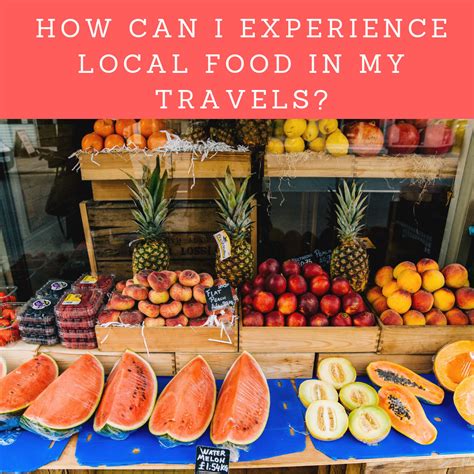
Sometimes, the background can add to the story, like a bustling market scene. In such cases, ensure it complements rather than competes with your food. The trick is to find that balance where the background provides context without overwhelming the delicious details of your street find.
Add a Human Element or Action
Street food is often about the interaction and the process. Capturing a hand reaching for a bite, steam rising from a freshly cooked dish, or the vendor preparing the food can inject life and authenticity into your photos. These elements add a sense of movement and make the viewer feel more connected to the experience. It’s not just food; it’s an event.
These candid moments are gold for a foodie feed because they evoke emotion and tell a more complete story than a static shot alone. Be quick, observe, and anticipate these moments to truly bring your street food adventures to life visually.
Subtle Editing for Maximum Impact
Finally, a little post-processing goes a long way. Use mobile editing apps like Lightroom Mobile, Snapseed, or even your phone’s built-in editor to make subtle enhancements. Adjust brightness, contrast, and saturation to make colors pop without looking artificial. Sharpening can bring out details, and a slight vignette can draw the eye to the center of your dish. The goal isn’t to create a fantasy but to enhance the natural appeal of the food, making it look as good as it tasted.
By consistently applying these visual tips—prioritizing good natural light, thoughtfully composing your shots, managing your backgrounds, adding a human touch, and finessing with smart editing—you’ll elevate your street food photography from simple snapshots to captivating culinary narratives that truly shine on your foodie feed.