



Plating secrets for stunning, photogenic food?
Unlock the Visual Feast: Why Plating Matters
In today’s visually-driven world, how your food looks can be almost as important as how it tastes. Whether you’re aiming to impress dinner guests, elevate your home cooking, or simply capture that perfect Instagram-worthy shot, mastering the art of food plating is a game-changer. It’s about more than just aesthetics; thoughtful plating enhances the dining experience, making each bite feel special and every dish a work of art. This guide will reveal the secrets to transforming ordinary meals into extraordinary visual delights.
Foundational Principles for Eye-Catching Presentation
1. Focus and Flow: Creating a Visual Journey
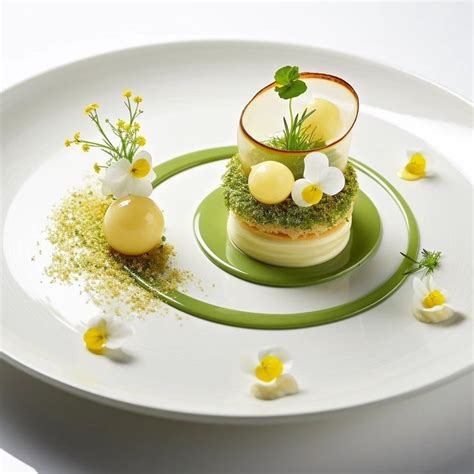
Think of your plate as a canvas. Just like a painting, a plated dish needs a focal point – the star of the show. Arrange your main ingredient prominently, perhaps slightly off-center using the rule of thirds. Then, arrange accompanying elements to guide the eye around the plate, creating a sense of movement and harmony. Avoid clutter; give your ingredients room to breathe.
2. Color and Contrast: A Palette of Flavors
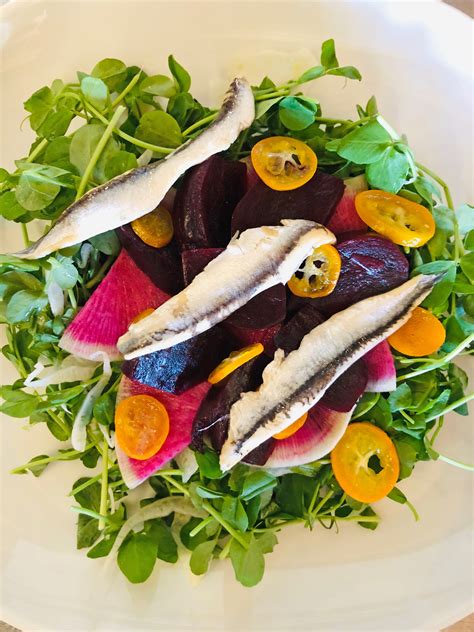
Vibrant colors are naturally appealing. Use a variety of ingredients with different hues to add visual interest. Consider contrasting colors (e.g., a bright green herb against a rich red sauce) and textures (crisp against creamy) to make your dish pop. Don’t underestimate the power of a neutral background plate to let your food’s colors shine.
3. Texture and Height: Adding Dimension
Flat food is boring food. Introduce height and different textures to create dimension. This could be achieved by stacking components, leaning elements against each other, or adding a sprinkle of crunchy nuts or crispy fried shallots. Varying textures not only pleases the eye but also enhances the eating experience.
4. Balance and Negative Space: The Art of Restraint
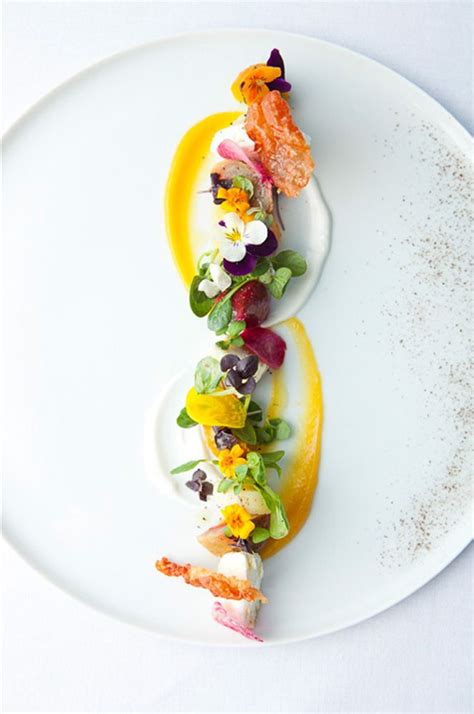
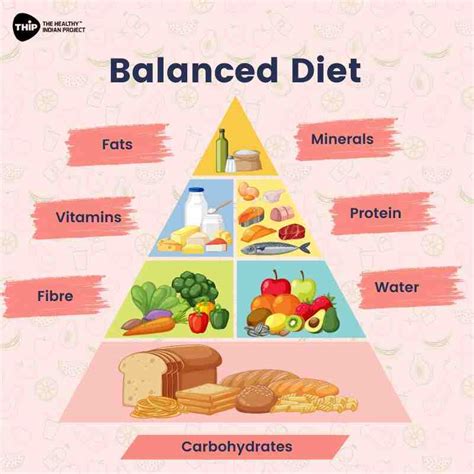
A beautifully plated dish is well-balanced, not overcrowded. Embrace negative space – the empty areas on your plate – as it allows the eye to appreciate each component. Aim for an appealing arrangement that feels balanced, whether symmetrical or artfully asymmetrical. Remember, less is often more.
5. Cleanliness is Key: The Finishing Touch
Before serving, always wipe the rim of your plate with a clean cloth or paper towel. Smudges, drips, or stray crumbs can detract significantly from even the most artistic plating. A pristine plate elevates the entire presentation.
Practical Techniques for Plating Perfection
1. Choose Your Canvas Wisely: The Right Plate
The plate itself is an integral part of your presentation. White or neutral-colored plates are often best as they let the food’s colors stand out. Consider the shape and size: a wider rim can frame your dish beautifully, while a deeper bowl is perfect for soups or pasta. Match the plate to the dish; an elaborate meal might suit a more minimalist plate, and vice versa.
![[1800+] Colorful Pictures | page 17 | Wallpapers.com](/images/aHR0cHM6Ly90czEubW0uYmluZy5uZXQvdGg/aWQ9T0lQLnd0d2lOQ21WV3d1ak5sX3FucXRGSFFIYUVvJnBpZD0xNS4x.webp)
2. Strategic Saucing: Drizzles, Smears, and Pools
Sauces aren’t just for flavor; they’re a powerful plating tool. Instead of pouring a large puddle, try a delicate drizzle over your main component, a strategic smear across the plate with the back of a spoon, or a small, intentional pool underneath. Use squeeze bottles or spoons for precision.
3. The Power of Garnishes: Edible Embellishments
Garnishes are the jewels of your dish. Fresh herbs (parsley, cilantro, dill), edible flowers, citrus zest, microgreens, or a sprinkle of spices can add a pop of color, texture, and aroma. Ensure your garnishes are fresh, relevant to the dish’s flavors, and applied sparingly to avoid overwhelming the main ingredients.
4. Portion Control: Don’t Overload the Plate
A common mistake is serving too much food. Smaller, well-composed portions look more refined and appetizing. Leave ample space around your components to highlight the artful arrangement.
Elevating Your Culinary Photography
Once your masterpiece is plated, consider the final steps for photography. Natural lighting is your best friend; avoid harsh overhead lights. Shoot from various angles – overhead for patterns, eye-level for height. A clean, uncluttered background will keep the focus on your food. Remember, good plating makes the photographer’s job infinitely easier, as the beauty is already built into the dish.
Conclusion: Practice Makes Perfect
Plating is a skill that develops with practice. Don’t be afraid to experiment with different arrangements, colors, and textures. Pay attention to how professional chefs and food stylists plate their dishes for inspiration. With a little creativity and these key secrets, you’ll be consistently creating stunning, photogenic food that tastes as good as it looks.