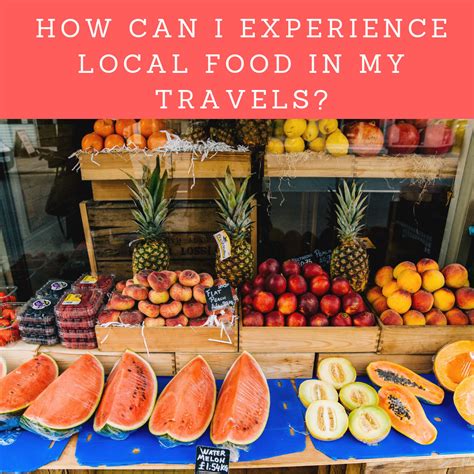





How do you visually discover authentic, photo-worthy local eats, avoiding tourist traps?

The quest for authentic local cuisine is a highlight of any travel adventure. Yet, distinguishing genuine culinary treasures from cleverly disguised tourist traps can be a challenge, especially when relying on visual cues. This guide will help you sharpen your observational skills to sniff out those true, photo-worthy local eats.
Observe the Crowd: The Local Litmus Test
One of the most immediate and reliable visual indicators of an authentic eatery is its clientele. Are the tables packed with locals on their lunch break, families sharing a meal, or friends catching up? A restaurant bustling with native speakers and not just tourists is a strong sign you’ve stumbled upon a genuine spot. Look for queues forming outside – locals rarely queue for mediocre food.
Pay attention to demographics too. If you see elderly locals, often a sign that the food adheres to traditional recipes and flavors passed down through generations. Conversely, an empty restaurant in a prime tourist location, or one filled exclusively with visitors, should raise a red flag.
The Aesthetics of Authenticity: Beyond the Polish
Authentic local eateries often prioritize substance over flash. Visually, this translates to an unassuming exterior, perhaps a simple sign in the local language, and a humble interior. Don’t be deterred by decor that isn’t overtly “chic” or modern. In fact, a slightly worn, lived-in look can be a badge of honor, signaling years of serving delicious food to a loyal clientele.
Conversely, places with slick, generic interiors, overly elaborate English menus featuring a wide array of international dishes, and glossy photos of perfectly plated but uninspiring food should be approached with caution. True local spots often have focused menus, perhaps even handwritten daily specials, highlighting seasonal ingredients.
Spotting Photo-Worthy Plates: Visual Appeal and Story
While authenticity is key, you’re also seeking “photo-worthy” eats. This doesn’t necessarily mean haute cuisine; often, it’s about vibrant colors, unique textures, and a presentation that tells a story. Look for dishes that showcase fresh, local ingredients prominently. Think bright spices, fresh herbs, and traditional garnishes.
Even street food, with its humble presentation, can be incredibly photogenic due to its vibrant colors, steam rising, or the skillful preparation happening right before your eyes. Consider the lighting: natural light is often your best friend for food photography, so scout locations with good window light or open-air settings.

Open Kitchens and Visible Preparation
A peek into the kitchen or a visible preparation area is a fantastic visual cue. Watching chefs or cooks expertly handle ingredients, knead dough, or grill meats can be incredibly reassuring and engaging. It signals transparency and pride in their craft. If you can see the freshness of the ingredients being used, even better.
This is particularly true for street food vendors or smaller, family-run establishments where the cooking often happens right in front of the customers. The sights, sounds, and smells become part of the experience, offering compelling photo opportunities.

Beyond the Main Drag: The Art of Wandering
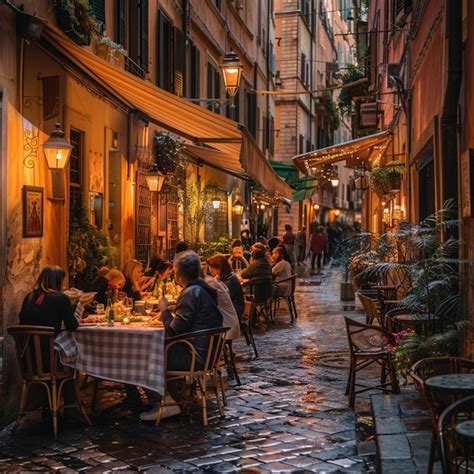
Visually discover authentic spots by venturing off the well-trodden tourist paths. Tourist traps tend to cluster around major attractions and busy squares. Take a few turns down side streets, explore smaller alleys, and observe what the locals are doing. The best discoveries are often found a few blocks away from the main hustle and bustle.
Look for clusters of small, independent shops and eateries. Sometimes, even a humble food cart or a tiny stall can offer the most delicious and authentic flavors, often at incredibly reasonable prices. These hidden gems are often visually distinct from the commercialized uniformity of tourist-centric areas.
Red Flags: Visual Cues to Avoid
- Aggressive Touts: If someone is actively trying to pull you into their restaurant from the street, it’s often a sign they rely on passing tourist trade rather than reputation.
- Multi-Language Menus with Generic Photos: While English menus are helpful, extensive menus with stock photos of pizza, pasta, and burgers in every language often indicate a lack of specialization in local cuisine.
- Empty or Overly Pristine Spaces: An empty restaurant during peak hours in a busy area can be a bad sign. Similarly, a place that looks too polished and impersonal, especially if it lacks local patrons, might be prioritizing appearance over flavor.
- “Tourist Menu” Signs: This is an obvious giveaway. While not always bad, it’s designed to cater to a specific palate, often at a higher price and with less authenticity.
By honing your visual observational skills – from deciphering crowd dynamics to appreciating the beauty in simplicity and venturing beyond the obvious – you can consistently unearth those truly authentic, photo-worthy local eats that make travel so memorable. Trust your eyes, and let your culinary adventure begin!