



Real Foodies: How do you visually elevate simple recipes for stunning photo feeds?

The Art of Visual Gastronomy
In today’s visually-driven world, a dish isn’t truly complete until it’s been immortalized on camera. For real foodies, transforming a simple home-cooked meal into a stunning visual masterpiece for social media feeds is a skill as vital as the cooking itself. It’s not just about gourmet ingredients or complex techniques; it’s about making everyday recipes pop. So, how do you visually elevate those straightforward dishes to garner likes, shares, and admiration?
Mastering the Light: Your First Ingredient
Good lighting is paramount. Forget fancy studio setups; natural light is your best friend. Position your dish near a window, but avoid direct sunlight, which can create harsh shadows and overexposed spots. Instead, aim for soft, diffused light. If direct sun is unavoidable, use a sheer curtain or parchment paper to soften it. For darker areas, a white foam board or a piece of foil can act as a reflector, bouncing light back onto your food and filling in shadows, making your colors vibrant and textures crisp.

Composition and Plating: The Canvas and the Art
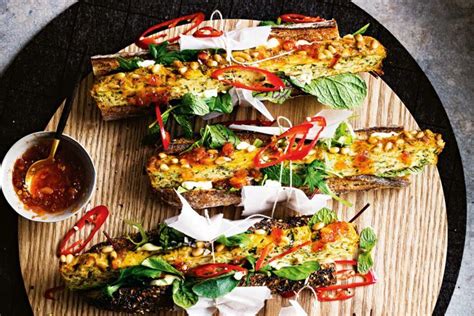
Before you even think about snapping a photo, consider your canvas – the plate. Choose simple, neutral-colored dishes that allow your food to be the star. White, grey, or slate plates often work best. When plating, think about balance, color, and texture. Don’t overcrowd the plate; leave some negative space to give the dish room to breathe. The “rule of thirds” is a classic for a reason: imagine your frame divided into nine equal sections by two horizontal and two vertical lines, and place key elements along these lines or at their intersections for a more dynamic and engaging shot.
Props and Backgrounds: Setting the Scene
While the food is the hero, thoughtful props and backgrounds can tell a story and add depth. Think about rustic wooden boards, linen napkins, vintage cutlery, or a sprig of fresh herbs. Keep props relevant to the dish and avoid anything too distracting. Choose a simple, uncluttered background that complements, rather than competes with, your food. A plain countertop, a textured tablecloth, or even a subtly blurred background can work wonders. Consistency in your prop style can also help create a cohesive aesthetic for your entire feed.
Garnishes and Textures: The Finishing Touches
A simple recipe can be transformed with a well-placed garnish. Fresh herbs like parsley, cilantro, or basil add a pop of color and freshness. A sprinkle of flaky sea salt, a drizzle of olive oil, a grating of cheese, or a dusting of powdered sugar can enhance texture and visual appeal. Think about contrasting textures – the crunch of toasted nuts on a creamy soup, the glistening glaze on a roasted vegetable, or the airy foam on a latte. These small details elevate the dish from merely edible to truly enticing.
Angles and Perspective: Finding Your Best Shot
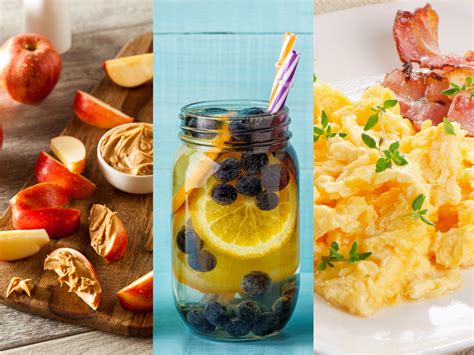
Experiment with different angles. A straight overhead shot (flat lay) is popular for bowls, pizzas, and breakfast spreads, showcasing all ingredients. A 45-degree angle mimics how you’d see the food at a table, ideal for sandwiches, main courses, and anything with height. A close-up shot can highlight intricate textures or a specific ingredient. Don’t be afraid to get really close to capture the steam rising or the melty cheese stretching. Each angle offers a unique perspective and can emphasize different aspects of your dish.

Editing and Filters: The Post-Production Polish
Even the best photo can benefit from a little post-production magic. You don’t need professional software; many free apps offer powerful editing tools. Adjust brightness, contrast, and saturation to make colors vibrant without looking artificial. Sharpening can bring out details. White balance correction ensures colors are true-to-life. A subtle filter can unify the look of your feed, but avoid over-editing that makes the food look unnatural or unappetizing. The goal is to enhance, not to distort.
From Simple to Stunning
Elevating simple recipes for stunning photo feeds is an accessible art form that combines culinary passion with visual creativity. By paying attention to lighting, composition, props, garnishes, and angles, and with a touch of thoughtful editing, anyone can turn an everyday meal into an Instagram-worthy masterpiece. So next time you’re whipping up a simple dish, remember these tips and let your inner food stylist shine. Your followers (and your appetite) will thank you!