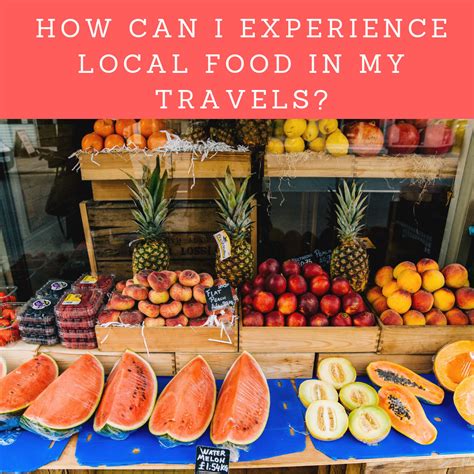





What visual cues help real foodies find authentic local food adventures, avoiding traps?

The Hunt for the Real Deal: Decoding Local Food Scenes
For many passionate foodies, traveling isn’t just about seeing new sights; it’s about tasting new worlds. The quest for authentic local cuisine is a pilgrimage, a deep dive into culture through its most delicious expressions. But in a world brimming with tourist traps and diluted experiences, how do the discerning few consistently find the hidden gems and genuine culinary adventures? The secret lies in a keen eye for visual cues – subtle signals that speak volumes about a place’s authenticity.
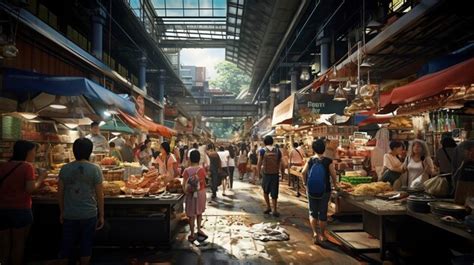
Follow the Locals: The Ultimate Authenticity Compass
This is perhaps the golden rule, and its signs are entirely visual. Look for:
- Crowds of Non-Tourists: If a place is packed with people who clearly live there – conversing in the local language, dressed typically for the area, and not consulting maps – you’re likely onto something good. Ignore establishments where the majority are fellow travelers; these often cater to generic tastes.
- Peak Hour Buzz: Observe when locals eat. A bustling lunch spot at 1 PM with lines out the door, filled with office workers or families, is a strong indicator of quality and value.
- Long Lines: While inconvenient, a persistent queue of locals suggests a revered establishment worth the wait. They know it’s good, and they’re willing to invest their time.
The Establishment Itself: Beyond the Facade
The visual presentation of a restaurant or stall can tell you a lot before you even taste the food.
Exterior and Interior Visuals
- Modest & Unassuming: Often, the most authentic places lack flashy signs, multilingual menus plastered outside, or overly elaborate decor. They might even look a little worn, suggesting years of serving loyal patrons.
- Hand-Written Signs: Chalkboards or simple, hand-painted signs in the local language often indicate a focus on fresh, seasonal ingredients and a menu that changes frequently.
- Simple Decor, Functional Furnishings: Inside, look for practical, comfortable seating rather than overly themed or generic tourist aesthetics. Local art or photographs, rather than international landscapes, are good signs.

Menu and Presentation Cues
- Limited, Focused Menu: A lengthy menu boasting dozens of international dishes is a red flag. Authentic eateries often specialize in a few dishes they do exceptionally well.
- Local Language First: While a small English translation might be available, the primary language should be local. Menus designed solely for tourists, or with pictures for every item, can sometimes indicate a compromise on authenticity.
- Seasonal & Local Ingredients Mentioned: If the menu highlights local produce, specific cuts of meat from nearby farms, or seasonal availability, it suggests a commitment to fresh, regional flavors.

The Food Itself: Visual Appetizers of Authenticity
Once you’re inside, keep your eyes peeled for these food-centric indicators:
- Visible Preparation: In many street food stalls or smaller restaurants, you can often see the food being prepared. Freshly chopped vegetables, sizzling woks, or dough being kneaded are all excellent signs of freshness and care.
- Rustic, Unpretentious Presentation: Authentic local food is often served without excessive fanfare. It might be hearty, generously portioned, and look exactly like what the locals are eating – less about elaborate plating and more about wholesome deliciousness.
- Local Beverages & Condiments: A selection of local drinks (sodas, beers, wines) and a specific array of regional condiments on the table further solidifies its local roots.
Beyond the Plate: The Overall Vibe
Sometimes, it’s not just one thing, but the sum of all parts that creates an authentic atmosphere:
- Noise Levels & Chatter: A restaurant filled with lively conversation (in the local language), laughter, and the clinking of cutlery often signifies a place where people feel comfortable and are enjoying themselves.
- Family-Run Feel: If you observe multiple generations working together, or a strong sense of pride in service and food, it often points to a deeply rooted establishment.

Conclusion: Trust Your Eyes, Trust Your Gut
Finding truly authentic local food is an art form, a delightful puzzle best solved with keen observation and a willingness to step off the beaten path. By learning to decode these visual cues – from the crowd gathered outside to the simplicity of the menu and the humble presentation of the dishes – foodies can consistently navigate away from tourist traps and embark on genuinely enriching culinary adventures. Trust your eyes, observe the subtle dance of local life, and let those visual instincts guide you to your next unforgettable meal.