




How do I elevate basic recipe plating for eye-catching food visuals?

Transforming Everyday Meals into Visual Delights
In the culinary world, they say we eat first with our eyes. While the taste and aroma of a dish are paramount, how food is presented can profoundly impact our perception of its flavor, quality, and even our enjoyment of the meal. Elevating your plating doesn’t require a professional kitchen; with a few simple techniques and a keen eye, you can turn basic recipes into eye-catching food visuals that impress family and guests alike. Let’s explore how to make your dishes truly shine.
Mastering the Fundamentals of Plating
Before diving into advanced tricks, grasp these foundational principles that professional chefs employ:
- Color & Contrast: Think beyond monochromatic dishes. Incorporate ingredients with vibrant, natural colors (red tomatoes, green herbs, orange carrots) to create visual interest. Contrast helps elements stand out.
- Texture & Shape: A dish with varying textures (crispy, creamy, crunchy, smooth) is more engaging. Similarly, diverse shapes (cubes, slices, purees) add dynamic appeal.
- Height & Dimension: Flat food looks uninspired. Build up your dish with layers, stacks, or leans to create height and dimension. Think about how components can support each other.
- The Rule of Thirds & Symmetry: While not a strict rule, arranging elements off-center can be more aesthetically pleasing. Alternatively, a beautifully symmetrical dish can be very impactful.
Strategic Placement and Composition
The arrangement of food on the plate is like composing a painting. Consider these elements:
The Main Event: Typically, the protein or main component takes center stage or slightly off-center, as your focal point.
Supporting Cast: Vegetables, starches, or other accompaniments should complement the main component, both in flavor and visual weight. Don’t crowd the plate; leave some negative space to allow each element to breathe.

The Power of Garnish and Sauce
Garnishes and sauces are your secret weapons for adding flair and finishing touches.
- Fresh Herbs: A sprinkle of fresh chopped parsley, cilantro, or chives can instantly brighten a dish with color and aroma. A small sprig can also add height.
- Citrus Zest/Wedges: Adds a pop of color and a burst of fresh flavor.
- Toasted Nuts/Seeds: Provides crunch and visual texture.
- Edible Flowers: For a truly elegant touch, edible flowers can add delicate beauty.
- Sauce Application: Instead of drowning your food, consider drizzling sauces artistically. Use a spoon to create a “smear” across the plate, or a squeeze bottle for delicate dots and lines around the main elements.

Choosing the Right Canvas: Your Plates and Bowls
The vessel you choose for your food is as important as the food itself.
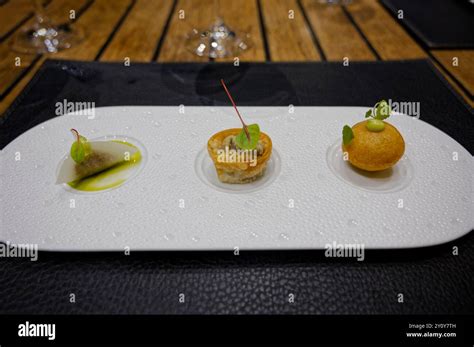
- Color: White or neutral-colored plates often make food colors pop more effectively. Dark plates can create dramatic contrast for lighter foods.
- Shape: Round plates are classic, but square or rectangular plates can offer modern appeal. Consider deep bowls for soups and stews.
- Size: Don’t overcrowd a small plate, but also avoid making a small portion look lost on a vast plate. Choose a size appropriate for the serving.

Practical Tips for Plating Like a Pro
- Keep it Clean: Always wipe the edges of your plate with a clean cloth before serving. Smudges detract from even the most beautiful plating.
- Use Tools: Tongs, squeeze bottles, and even spoons can be your best friends for precise placement and sauce application.
- Practice Makes Perfect: Don’t get discouraged if your first attempts aren’t Michelin-star worthy. Experiment with different arrangements, garnishes, and techniques. Take photos of your work to review and improve.
- Think About the Story: What message do you want your plate to convey? Is it rustic comfort, elegant sophistication, or vibrant freshness? Let your plating tell that story.

Conclusion: Elevate Your Home Cooking Experience
Elevating your recipe plating is an art form that can transform the entire dining experience. By paying attention to color, texture, height, and strategic placement, and by using simple garnishes and appropriate servingware, you can turn a basic meal into an eye-catching visual feast. So, next time you’re in the kitchen, take a moment to plate your food with intention. Your taste buds—and your eyes—will thank you!