




What visual cues lead to truly authentic local food adventures?

Unlocking Genuine Gastronomic Journeys
In a world increasingly globalized, the quest for truly authentic local food experiences remains a pinnacle for many travelers. It’s not just about eating; it’s about connecting with a culture through its cuisine, tasting history, and savoring traditions. But how do you cut through the tourist traps and find those hidden gems that offer a taste of the real local life? Often, the most reliable guides aren’t guidebooks or online reviews, but a series of subtle visual cues that speak volumes about a place’s authenticity.
The Magnetic Pull of Bustling Local Markets
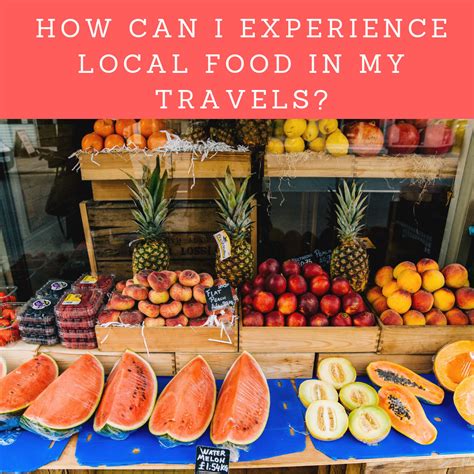
Perhaps the most vibrant starting point for any food adventure is a local market. Here, authenticity isn’t just displayed; it’s performed. Look for the cacophony of vendors hawking their wares, the vibrant explosion of fresh produce, and the animated haggling between sellers and buyers. A market brimming with locals, especially in the early morning, is a strong indicator of fresh, seasonal ingredients that form the backbone of local dishes. Observe what people are buying – what produce is plentiful, what spices are popular, and what street foods are being consumed on the spot.

The Unassuming Charm of Simple Eateries and Street Stalls
Often, the most profound food experiences unfold in the most unpretentious settings. While fancy restaurants have their place, genuine local flavors frequently reside in humble, family-run eateries, hole-in-the-wall establishments, or bustling street food stalls. The visual cue here is less about polished décor and more about practicality and purpose. Look for worn tables, simple signage, and an atmosphere that prioritizes food quality over presentation. A line of locals, especially during off-peak hours, is a universally recognized beacon of deliciousness.
Pay attention to the setup: is the cooking visible? Are the ingredients fresh and handled with care? The absence of a glossy, multi-lingual menu catering to every possible dietary restriction can also be a positive sign, suggesting a focus on a few well-mastered dishes.
Where the Locals Gather: The Ultimate Seal of Approval
This is perhaps the most critical visual cue: eat where the locals eat. If you see a dining spot packed with people who appear to be residents – families, workers on their lunch break, or friends catching up – you’ve likely hit gold. They know the best value, the freshest ingredients, and the most authentic flavors. Look for queues forming, especially if they’re orderly and patient, indicating a beloved establishment. Conversely, restaurants with sparse local patronage but heavy tourist traffic should raise a red flag.
The Power of Visible Freshness and Preparation
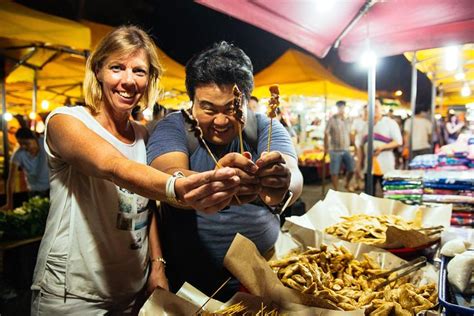
Authenticity often stems from transparency. Look for visual cues that highlight freshness and skilled preparation. Open kitchens where you can watch chefs work, food laid out on display (especially seafood or cuts of meat), or vendors meticulously preparing dishes right in front of you are excellent signs. Visible kneading of dough, careful chopping of vegetables, or the theatrical flair of a wok chef all contribute to the authenticity. It’s a sensory experience that begins with the eyes, assuring you of quality and care.
The “Well-Worn” Look: A Sign of Enduring Quality
Sometimes, authenticity isn’t pristine; it’s seasoned. A restaurant with peeling paint, faded signage, or heavily used kitchenware might deter some, but for the discerning food adventurer, these can be positive indicators. They suggest longevity, a history of dedicated service, and a focus on what truly matters: the food. A place that has stood the test of time, without needing constant cosmetic upgrades, often relies on the consistent quality and flavor of its offerings to draw in repeat customers. It’s a visual testament to its enduring reputation.

Simplicity and Specialization on the Menu
Another crucial visual cue often found in authentic eateries is a focused, concise menu. When a restaurant offers a sprawling menu with dozens of different cuisines and dishes, it’s often a sign of mediocrity across the board. True authenticity often thrives on specialization. Look for menus that are small, perhaps handwritten, or feature only a handful of dishes that the establishment has perfected over generations. This indicates a deep knowledge and pride in specific local culinary traditions. If a menu is only in the local language, with perhaps a few hastily scribbled translations, that’s often a good sign too, catering primarily to a local audience.

Conclusion: Trusting Your Eyes for a Taste of the Real
Embarking on a true local food adventure is about more than just satisfying hunger; it’s about cultural immersion. By learning to interpret these visual cues – from the bustling energy of a market to the quiet confidence of a well-loved local haunt – you can navigate the culinary landscape with greater certainty. Let your eyes guide you to the places where tradition is honored, ingredients are fresh, and the flavors tell a story. Venture forth, observe keenly, and prepare for gastronomic discoveries that will linger long after the last bite.