




Best way to store fresh herbs to keep them vibrant for longer photo-worthy dishes?

Elevate Your Culinary Creations: Keeping Herbs Fresh and Photo-Ready
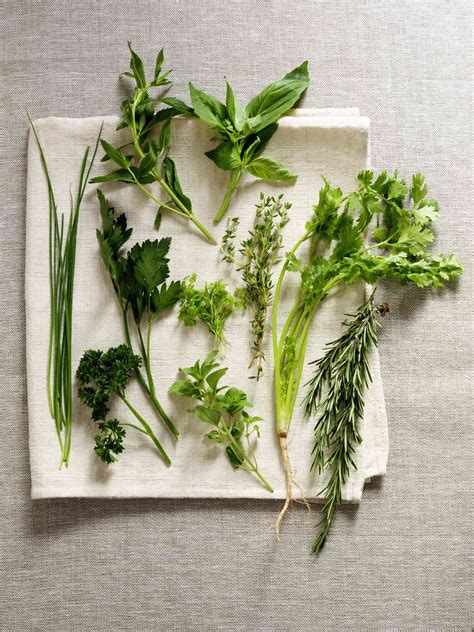
Fresh herbs are more than just a garnish; they’re the vibrant soul of many dishes, adding unparalleled flavor, aroma, and a pop of color that makes your food truly photo-worthy. However, the fleeting nature of fresh herbs can be frustrating, often wilting into a sad, brown mess just days after purchase. The good news is that with a few simple, effective storage techniques, you can extend the life of your fresh herbs, keeping them crisp, green, and ready to star in your next Instagram-worthy meal.

The Golden Rules of Herb Preservation
Before diving into specific methods, understanding a few universal principles will dramatically improve your success rate. First, avoid washing herbs until just before you’re ready to use them. Excess moisture can encourage spoilage. Second, ensure proper air circulation without letting them dry out completely. Third, temperature matters—most herbs prefer cool, slightly humid environments.
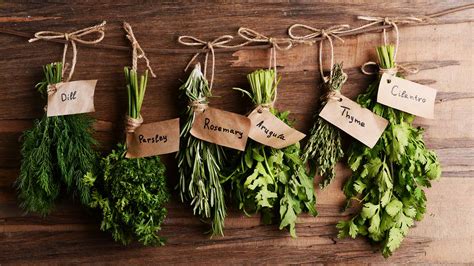
Method 1: The “Bouquet” Method for Hardy Stems
This method is ideal for herbs with sturdy stems, much like a bouquet of flowers. Think parsley, cilantro, mint, and even basil (though basil is a bit fussier with cold). To execute this:
- Trim about an inch off the bottom of the stems.
- Remove any leaves that would fall below the waterline to prevent rotting.
- Place the herb stems into a glass or jar with about an inch of fresh, cool water, just like a bouquet.
- For most hardy herbs, cover the leaves loosely with a plastic bag (or the produce bag they came in) before placing them in the refrigerator. This creates a mini-greenhouse effect.
- For basil, which despises the cold, leave it on the counter away from direct sunlight. Change the water every day or two.
This technique allows the herbs to continue drawing water, keeping their leaves plump and green for up to two weeks, sometimes even longer.

Method 2: The “Damp Paper Towel & Bag” for Delicate Varieties
Delicate herbs with tender leaves or those prone to wilting quickly benefit from a different approach. This includes dill, chives, tarragon, and sometimes even thyme or oregano if they’re particularly fragile.
- Gently rinse the herbs if needed, but ensure they are completely dry by blotting them with a paper towel or using a salad spinner. This step is crucial.
- Lay the dried herbs flat on a slightly damp (not wet) paper towel.
- Roll the herbs loosely in the damp paper towel.
- Place the rolled bundle into a resealable plastic bag or an airtight container.
- Store in the crisper drawer of your refrigerator.
The damp paper towel provides just enough moisture to prevent drying out without creating a soggy environment, prolonging freshness for about a week to 10 days.
Method 3: Blanching and Freezing for Long-Term Storage
When you have an abundance of herbs or want to preserve them for several months, freezing is your best friend. This method is particularly excellent for heartier herbs like parsley, cilantro, chives, basil, and oregano.
- Wash and thoroughly dry the herbs.
- Finely chop the herbs.
- Option A (Oil Cubes): Pack the chopped herbs tightly into ice cube trays. Pour olive oil over them until they are submerged.
- Option B (Water Cubes): For herbs like mint or basil destined for drinks or soups, you can use water instead of oil.
- Freeze until solid, then pop the frozen herb cubes out and transfer them to a freezer-safe bag or container.
These herb cubes are fantastic for dropping directly into soups, stews, sauces, or roasting vegetables, adding a burst of fresh flavor even months later. The oil also helps preserve the vibrant green color.

Additional Tips for Maximizing Herb Lifespan
- Inspect Before Storing: Remove any discolored, bruised, or rotting leaves before storing to prevent them from spoiling the rest.
- Avoid Crowding: Whether in a jar or a bag, don’t pack your herbs too tightly. They need a little room to breathe.
- Know Your Herb: Basil is the main exception to refrigerator storage, preferring room temperature. Most other herbs do best in the fridge.
- Frequent Checks: Periodically check your stored herbs. If the water in the bouquet method becomes cloudy, change it. If paper towels dry out, re-dampen them.
Conclusion: Fresh Herbs, Forever Vibrant
With these straightforward storage techniques, you can banish sad, wilted herbs from your kitchen. By investing a few minutes in proper preparation, your fresh herbs will remain beautifully green, aromatic, and ready to enhance not only the taste but also the visual appeal of all your culinary creations. Go ahead, make those dishes truly photo-worthy!