



What ingredient swaps enhance dish color & texture for stunning food photos?
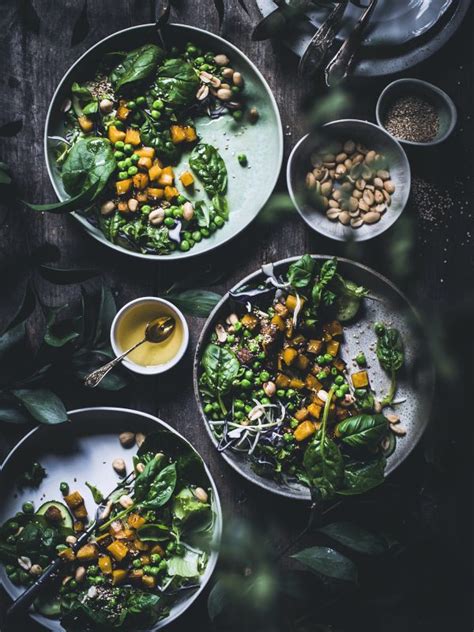
In the vibrant world of food photography, a dish isn’t just about taste; it’s about visual storytelling. Capturing an image that truly makes mouths water often hinges on two critical elements: color and texture. While professional food stylists employ a myriad of tricks, home cooks and aspiring photographers can achieve stunning results through simple, strategic ingredient swaps. This guide explores how thoughtful substitutions can transform your culinary creations into photographic masterpieces.
Vibrant Colors: The First Impression
Color is arguably the most immediate visual cue, triggering appetite and setting the mood for a dish. Dull, monochromatic plates rarely inspire. Here are some swaps to inject life into your palette:
- Beyond White Starches: Instead of plain white rice or potatoes, opt for wild rice blends, sweet potatoes, or even purple potatoes. Roasted beets, carrots, or bell peppers can add gorgeous jewel tones to any side dish. For pasta, consider spinach-infused or tomato-flavored varieties.
- Herbs & Spices as Natural Dyes: Turmeric can turn rice or sauces a brilliant yellow, while paprika adds a warm red hue. Saffron lends an exquisite golden tint to risottos and paellas. Beyond color, fresh herbs like parsley, cilantro, dill, or chives provide vibrant green accents and delicate texture.
- Fruity & Veggie Purees: Incorporate tomato paste, beet puree, or carrot juice into sauces for deeper, richer colors. A swirl of pesto can transform a simple soup, adding a pop of green and a glossy finish.

Dynamic Textures: Beyond the Surface
Texture adds depth, interest, and a sense of “feel” to a photograph. A dish with varying textures invites the viewer to imagine the crunch, the creaminess, or the chew. Monotonous textures can make a dish look flat and unappetizing.
- The Power of the Crunch: Replace soft, uniform toppings with elements that offer a satisfying crunch. Toasted nuts (almonds, walnuts, pecans), crispy fried onions, croutons, or even toasted breadcrumbs can elevate a dish visually and texturally. Think about a creamy soup topped with crunchy seeds or a salad with candied nuts.
- Glossy & Smooth Finishes: For sauces, gravies, or glazes, aim for a lustrous, smooth consistency. A brush of olive oil or melted butter on roasted vegetables, or a reduction sauce with a beautiful sheen, can make food look incredibly appetizing. Swirls of crème fraîche or Greek yogurt can add elegant, creamy textures to soups or desserts.
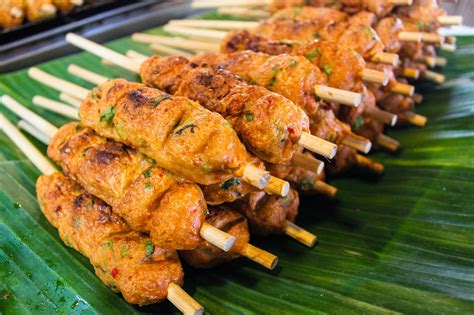
- Achieving Crispy Perfection: When cooking meats or vegetables, focus on achieving a golden, crispy exterior. A perfectly seared piece of fish or chicken with a beautiful crust is far more appealing than a pale, steamed counterpart. Roasting vegetables until caramelized edges appear provides both color and textural contrast.

Strategic Swaps for Stunning Visuals
Let’s look at some direct ingredient swaps that can dramatically enhance your food photos:
- Mashed Potatoes vs. Roasted Sweet Potato Chunks: While comforting, plain mashed potatoes can appear bland. Swap them for vibrant roasted sweet potato chunks, offering rich orange color and craggy, caramelized textures.
- Boiled Chicken vs. Pan-Seared with Herbs: Pale boiled chicken breast lacks visual appeal. Pan-sear it to achieve a golden-brown crust, then garnish with fresh, bright green herbs like chopped parsley or thyme for maximum impact.
- Plain Salad Greens vs. Mixed Greens with Edible Flowers & Seeds: A basic green salad can be elevated by incorporating darker, richer greens (like kale or radicchio), colorful edible flowers (pansies, nasturtiums), and a sprinkle of toasted pumpkin or sesame seeds for crunch and visual interest.
- Homogeneous Sauce vs. Swirled Garnishes: Instead of a uniformly mixed sauce, consider swirling in contrasting colors or textures at the end. A dollop of vibrant pesto in a tomato sauce, or a swirl of coconut cream in a curry, adds a dynamic visual element.
Tips for Maximizing Visual Impact
Beyond the swaps themselves, consider these general principles:
- Freshness is Key: Always use the freshest ingredients possible. Wilting greens or dull produce will never look good on camera.
- Don’t Overcook: Overcooked vegetables lose their vibrant color and firm texture. Meats can become dry and unappetizing.
- Layer and Build: Think about building your dish with layers of color and texture. Start with a base, add your main component, then garnish with contrasting elements.
- Consider the Garnish: A thoughtful garnish can be the final touch that brings a dish to life. Fresh herbs, a lemon wedge, a sprinkle of chili flakes, or a drizzle of good olive oil can make all the difference.
Mastering the art of food photography doesn’t require a professional studio; often, it simply requires a keen eye for detail and an understanding of how ingredients interact visually. By making conscious, clever ingredient swaps that prioritize vibrant colors and dynamic textures, you can transform everyday dishes into stunning culinary portraits. So next time you’re cooking, think beyond the plate and consider how each ingredient contributes to the overall visual feast.